

- October 9, 2026
- Motorcycle Accident
Left turn crashes account for a disproportionate share of the motorcycle deaths recorded at Dallas Fort Worth intersections every year, and left turn motorcycle accident fault usually lands on the driver who turned, not the rider who got hit.
If a driver turned left in front of you or someone you love while riding through Dallas, you’re dealing with one of the most common and most preventable crash patterns on Texas roads.
Reaching out to a Dallas motorcycle accident attorney for a free consultation can help you understand what that pattern means for your specific situation.
Key Takeaways: Left Turn Motorcycle Accidents in Dallas
- Texas law places the duty to yield on a driver turning left across oncoming traffic, including motorcycles.
- A motorcycle’s smaller visual profile contributes to many left turn crashes, but that visibility gap does not shift legal responsibility onto the rider.
- DFW intersections that use permissive left turn signals, rather than a protected arrow, see more of these crashes because they rely on a driver’s own judgment about oncoming traffic.
- Insurance companies sometimes argue a rider was speeding or partly at fault, which makes early evidence gathering especially important in these cases.
- Texas’s modified comparative fault rule reduces or blocks recovery based on a claimant’s own percentage of fault, so how a crash gets documented can shape the outcome significantly.
Who is at fault in a left turn motorcycle crash in Dallas?
In most left turn crashes, the driver turning left carries fault, because Texas law requires a driver to yield to oncoming traffic before completing the turn. That rule applies whether the oncoming vehicle is a car, a truck, or a motorcycle.
A driver turning left must yield to any vehicle already close enough to pose a hazard.
A motorcycle’s smaller size does not reduce a driver’s duty to look carefully before turning.
Fault can shift if a rider ran a red light or entered the intersection well after a signal changed.
These rules set the starting point for most claims, though the specific facts of a crash always shape the final answer.
Why Are Left Turn Crashes So Dangerous for Motorcyclists In Texas?
Left turn crashes pose a particular danger to motorcyclists because a rider’s smaller profile makes it easier for a turning driver to misjudge distance and speed. A car or truck presents a large, familiar shape that most drivers process quickly. A motorcycle presents a narrower target that can appear farther away or slower moving than it actually is.
How A Motorcycle’s Profile Contributes to Misjudged Turns
A motorcycle’s narrower shape and single headlight make it harder for a driver to judge how close it actually is. Research on motorcycle visibility consistently shows that drivers underestimate a motorcycle’s speed more often than they underestimate a car’s speed in the same conditions.
That perception gap doesn’t excuse a driver’s failure to look carefully, since Texas law still requires drivers to confirm the road is clear before turning. Riders benefit from understanding this pattern because it explains why so many drivers insist they never saw the motorcycle at all.
Permissive Left Turn Signals and DFW Intersection Design
Permissive left turn signals contribute to more motorcycle crashes than protected turn arrows because they require a driver to judge oncoming traffic without any independent green light structure.
Many DFW intersections rely on a flashing yellow arrow or a plain green light that permits a left turn whenever a driver decides traffic is clear, a pattern behind many Fort Worth motorcycle crash claims. That design places the entire judgment call in the driver’s hands, and a driver rushing to beat a changing light often makes that judgment call poorly.
| Signal Type | Crash Risk Pattern |
|---|---|
| Protected Left Turn Arrow | Turning traffic moves only during a dedicated green arrow, with oncoming traffic stopped. |
| Permissive Left Turn | Driver judges oncoming traffic independently, raising the risk of a misjudged gap. |
| Permissive Plus Protected | Combines a dedicated arrow phase with a later permissive phase, reducing but not eliminating risk. |
Who Determines Left Turn Motorcycle Accident Fault in Texas?
Left turn motorcycle accident fault in Texas generally falls on the driver who turned, because Texas law requires a driver turning left to yield the right of way to oncoming traffic. That rule doesn’t disappear simply because the oncoming vehicle happened to be a motorcycle rather than a car.
The Texas Law Requiring Drivers to Yield
Texas law requires a driver turning left to yield to any oncoming vehicle close enough to present an immediate hazard. This failure to yield for a motorcycle in Texas often forms the foundation of a left turn crash claim, since the driver had a clear legal duty to wait until the intersection was actually clear.
A driver who turns anyway, misjudging a motorcycle’s speed or distance, typically bears responsibility for what follows. Confirming exactly when and how a driver entered the intersection often decides how clearly that duty was breached.
What Happens When a Car Turned Left in Front of a Motorcycle in Texas
When a car turned left in front of a motorcycle in Texas, the driver typically bears fault unless clear evidence shows the rider entered the intersection unlawfully or well after a light changed. Police reports, traffic camera footage, and witness accounts usually settle the question of timing. A driver’s insurer will often dispute this conclusion regardless of the evidence, which is why documentation matters so much in these cases.
Common Defenses Drivers Raise After a Left Turn Crash
Drivers and their insurers tend to raise a small set of defenses after nearly every left turn crash. “I never saw the motorcycle” ranks among the most common, even though that statement often confirms a failure to look rather than an excuse.
Insurers also frequently argue the rider was speeding, since a motorcycle crash’s severity can create an impression of higher speed that physical evidence doesn’t always support.
A driver’s insurer may also argue the rider could have braked or swerved in time to avoid the crash, shifting blame onto the rider’s reaction rather than the driver’s decision to turn. That argument rarely accounts for how little time a rider actually has once a car begins crossing into their lane, sometimes less than a second or two.
Skid marks, the point of impact, and the motorcycle’s final resting position typically speak more accurately to what was actually possible in that window than an insurer’s assumption does.
What Is Motorcycle Right of Way in Texas?
Motorcycle right of way in Texas works the same way it does for any other vehicle, since Texas law doesn’t create separate right of way rules based on vehicle type. A motorcycle traveling straight through an intersection holds the same right of way a car or truck would hold in the identical position.
Right Of Way Rules for Oncoming Traffic
Right of way rules require a left turning driver to wait for oncoming traffic to clear before completing the turn, regardless of what that oncoming traffic happens to be. A motorcycle proceeding straight through a green light or an unmarked intersection holds priority over a vehicle attempting to turn left across its path.
This principle holds whether the oncoming vehicle is a motorcycle, a car, or a delivery van.
Why Right of Way Doesn’t Always Prevent a Crash
Having the right of way doesn’t prevent a crash because a driver’s mistake, not a rider’s legal standing, causes most left turn collisions. A rider can follow every rule of the road and still get hit if a driver misjudges the gap or simply fails to look.
That gap between legal right of way and physical safety is exactly why documentation after a crash matters so heavily, since a rider’s compliance with the law needs to be shown, not assumed.
This gap also explains why so many riders feel a sense of disbelief after a crash like this. Doing everything correctly, holding the right of way, riding at a safe speed, and still ending up hurt, doesn’t match what most people expect from following the rules.
That disconnect is a normal reaction, not a sign that something about your claim is weaker than it should be.
Why Does Working with a Dallas Intersection Motorcycle Accident Lawyer Matter?
Working with a Dallas intersection motorcycle accident lawyer matters because insurers routinely challenge fault in left turn cases even when the law points clearly toward the turning driver.
An adjuster reviewing a motorcycle claim knows that juries sometimes carry an unspoken bias against riders, and that knowledge shapes how aggressively a company disputes even a straightforward case.
Having someone request traffic camera footage, pull the police report before it’s finalized, and locate independent witnesses changes how seriously an insurer treats the claim from the outset.
Several considerations can help protect a claim in the weeks after a left turn crash. None of these require building a case alone, but understanding them shows why early documentation matters.
Requesting a copy of the police report early helps confirm what the responding officer recorded about the scene, since that report often shapes an insurer’s initial view of fault. Identifying nearby businesses or traffic cameras that may have recorded the crash can preserve footage before it gets overwritten. Writing down your own memory of the crash while it’s still fresh, including the color of the signal and your speed, gives an attorney something concrete to work from. Bringing all of this to a consultation allows for a fuller review of what your case may involve.
Frequently Asked Questions About Left Turn Motorcycle Accident Claims in TX
How long do I have to file a motorcycle accident claim in Texas?
Texas generally gives you two years from the date of the crash to file a personal injury or wrongful death lawsuit. If you miss the deadline, you will not be able to pursue compensation through the courts. Reach out to an attorney now to protect your rights.
What if the driver who turned left was operating a government vehicle?
Claims involving a government owned vehicle, such as a city or county truck, follow different rules than a claim against a private driver. Texas law requires formal written notice to the government entity within six months after the crash, so reaching out promptly protects your ability to bring a claim at all.
Can fault still be split if I was riding a little over the speed limit?
Yes, in some cases. Texas reduces what you can recover based on your own percentage of fault, and blocks recovery entirely if you’re found more than fifty percent responsible, so an insurer may raise your speed even if the driver’s failure to yield remains the primary cause.
Does having a police report naming the driver at fault guarantee the insurance company will pay?
No. A police report carries weight, but an insurance company can still dispute fault or argue the report missed something, which is why independent evidence like witness statements and camera footage strengthens a claim beyond the report alone.
What does a free consultation with a motorcycle accident attorney involve?
A free consultation means an attorney reviews what happened with you at no cost and no obligation to move forward. Expect questions about the intersection, the signal, and any records you already have, followed by an honest assessment of whether your situation looks like a claim worth pursuing.
Call Crain Brogdon, LLP for a Free Case Evaluation
A left turn crash often comes down to seconds a driver spent not looking closely enough, and a rider left to prove what should already be clear.
Crain Brogdon, LLP reviews motorcycle accident cases for Dallas area riders and families dealing with a serious injury or the loss of someone they love. Call (214) 522-9404 for a free case evaluation, and let’s talk through what happened at the intersection.
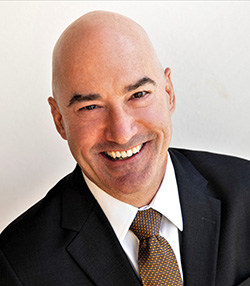
Attorney Quentin Brogdon
Quentin Brogdon has over thirty years of experience and expertise in the field of personal injury trial law. He is board certified in both personal injury trial law and civil trial advocacy. Quentin has received an AV rating from Martindale-Hubbell, the highest possible rating. This rating reflects an attorney’s ethics and abilities according to reviews from fellow attorneys. [ Attorney Bio ]


Recent Comments