FREE CONSULTATION: 214.522.9404
When a construction accident occurs, injured workers often face medical bills, lost wages, and uncertainty about what comes next. A Dallas construction accident lawyer from Crain Brogdon LLP helps injured workers and their families pursue accountability and financial recovery after these incidents.
Our team has years of experience handling construction injury cases throughout North Texas. We approach every claim with careful investigation, respect for the people involved, and dedication to protecting our clients’ rights.
If you or a loved one suffered injuries on a Dallas job site, reach out to our firm for a free consultation. A conversation with our attorneys can help you understand your legal options and determine the next steps.
Common Causes of Construction Accidents in Dallas
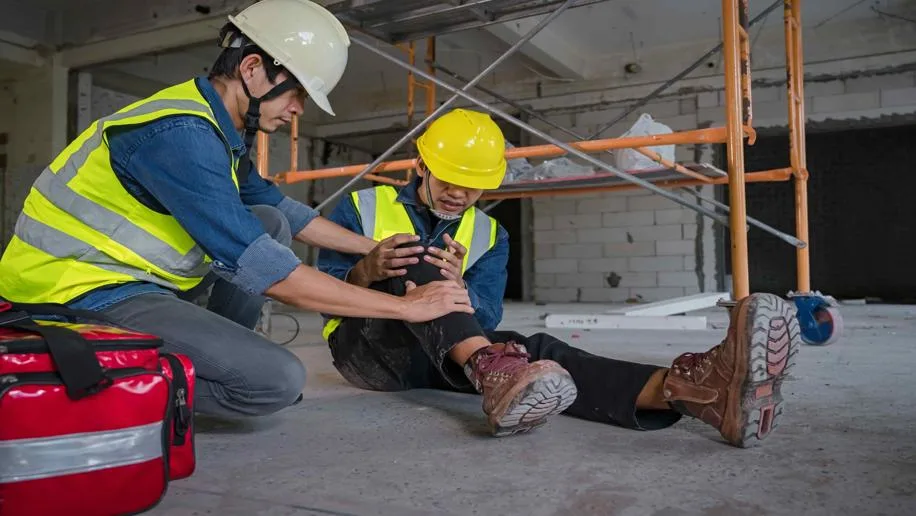
Construction sites contain moving equipment, elevated platforms, power tools, and multiple contractors working at the same time. Each element introduces risk. Projects near Deep Ellum, for example, often involve tight workspaces and heavy traffic, which increase the likelihood of incidents.
Understanding common accident causes helps workers recognize unsafe conditions and supports legal claims after an injury.
Falls from Heights
Falls remain one of the most common construction accidents. Workers frequently perform tasks on ladders, scaffolds, roofs, or elevated platforms. A missing guardrail or unstable ladder may send a worker to the ground within seconds.
A fall from even 10 or 20 feet may lead to head trauma, broken bones, or spinal injuries.
Struck-by Accidents and Falling Objects
Tools, building materials, or debris sometimes drop from upper levels of a structure. Workers below may suffer serious harm if protective measures such as safety nets or toe boards are absent.
Heavy machinery also creates struck-by hazards. Forklifts, cranes, and dump trucks move through busy sites, sometimes with limited visibility.
Electrocution and Electrical Hazards
Construction work often occurs near power lines or temporary electrical systems. Improper grounding, damaged wiring, or exposed cables can trigger electrocution incidents.
These injuries often require immediate emergency treatment. Many injured workers receive care at facilities such as Baylor University Medical Center in Dallas.
Caught-in or Caught-between Equipment
Heavy machinery and compact job sites sometimes trap workers between objects. A worker may become pinned between a wall and a vehicle or pulled into machinery. These accidents often lead to crushing injuries or amputations.
Scaffolding Collapses
Scaffolding supports many construction tasks. However, poor assembly, overloading, or faulty components can cause a scaffold to collapse.
Workers performing projects near the Bishop Arts District have reported injuries from unstable scaffolding systems during renovations and new construction.
Trench and Excavation Cave-ins
Excavation work requires protective systems such as trench boxes or sloped walls. When those safeguards are missing, soil may collapse and bury workers beneath thousands of pounds of dirt. These cave-ins often lead to severe trauma or suffocation injuries.
Who Can Be Held Liable for a Construction Accident in Texas?
Construction sites rarely involve a single company. Multiple contractors, subcontractors, equipment suppliers, and property owners often share responsibilities on a project. Liability may extend to several parties depending on the circumstances.
General Contractors and Subcontractors
General contractors oversee large construction projects and coordinate different trades. Their responsibilities often include maintaining safety standards across the site.
Subcontractors may also bear responsibility when unsafe practices or improper training contribute to an accident.
Property Owners and Premises Liability under Texas Law
Property owners sometimes maintain control over job site conditions. Texas premises liability law holds property owners responsible when dangerous conditions cause harm.
For instance, a commercial redevelopment project near Victory Park may expose workers to unsafe structural conditions if property owners fail to address known hazards.
Equipment Manufacturers and Product Liability
Faulty equipment sometimes causes construction injuries. Defective harnesses, malfunctioning cranes, or poorly designed power tools may fail during normal use.
Product liability claims allow injured workers to pursue compensation from manufacturers or distributors responsible for unsafe products.
Third-Party Defendants and Multi-Party Claims
Large construction projects often involve several independent companies working simultaneously. One company’s actions may endanger workers employed by another.
A delivery driver, equipment rental company, or outside contractor may all become defendants in a third-party claim.
What Types of Injuries Do Construction Accident Victims Suffer?
Construction accidents frequently lead to severe injuries. Many injured workers require immediate treatment at hospitals such as Parkland Memorial Hospital or Texas Health Presbyterian Hospital Dallas. Each injury type carries different medical and legal considerations.
Traumatic Brain Injuries and Head Trauma
Head injuries often occur during falls or struck-by incidents. Traumatic brain injuries affect memory, concentration, and physical coordination.
Recovery may involve surgery, rehabilitation, and long-term medical care.
Spinal Cord Injuries and Paralysis
Spinal cord trauma may cause partial or complete paralysis. Workers injured during high falls or heavy equipment accidents face significant changes to mobility and independence. Treatment often requires specialized rehabilitation programs and adaptive equipment.
Crush Injuries and Amputations
Caught-between accidents sometimes result in crushed limbs or traumatic amputations. These injuries require extensive medical treatment and prosthetic support. Workers may lose the ability to return to construction work after these injuries.
Burns and Electrocution Injuries
Electrical incidents can cause severe burns and nerve damage. Recovery often involves skin grafts, pain management, and long-term rehabilitation.
Broken Bones and Orthopedic Injuries
Fractures frequently occur in construction accidents. Broken arms, legs, ribs, or hips may require surgery and months of physical therapy.
Wrongful Death Claims for Fatal Accidents
Some construction accidents result in loss of life. Texas law allows surviving family members to pursue wrongful death claims.
These claims seek compensation for lost financial support, funeral costs, and the emotional impact of losing a loved one.
What Compensation Can You Recover After a Dallas Construction Accident?

A construction injury often affects a worker’s ability to earn income and maintain financial stability. Texas law allows injured individuals to pursue compensation through workers’ compensation claims, lawsuits, or third-party actions.
Our knowledgeable Dallas construction accident lawyers can help evaluate the available options.
Economic Damages Available under Texas Law
Economic damages address measurable financial losses, including:
- Medical expenses such as emergency care, surgery, and rehabilitation
- Lost income during recovery
- Reduced future earning capacity
- Costs of medical equipment or home modifications
These damages rely on documentation such as medical records, employment data, and expert evaluations.
Non-Economic Damages Including Pain and Suffering
Non-economic damages compensate for the human impact of an injury. Pain, physical limitations, and reduced quality of life often accompany severe construction injuries.
Courts and juries evaluate evidence such as medical testimony, personal statements, and daily life changes when determining these damages.
Punitive Damages in Cases of Gross Negligence
Punitive damages punish extreme misconduct. Texas law allows these damages when a company shows gross negligence, meaning reckless disregard for worker safety.
For example, a contractor who knowingly removes safety protections from machinery may face punitive damages if that decision leads to serious injuries.
How Texas Proportionate Responsibility Rules Affect Your Recovery
Texas follows proportionate responsibility rules. These rules reduce compensation if an injured person shares part of the blame for an accident.
If a jury assigns 20 percent of fault to the injured worker, the total compensation decreases by that percentage.
However, injured workers cannot recover damages if their responsibility exceeds 50 percent.
How Does Texas Workers’ Compensation Affect Your Claim?
Workers’ compensation benefits often play a role in construction injury claims. Texas operates under a distinctive workers’ compensation system that differs from many other states.
Understanding Texas’s Unique Workers’ Compensation System
Texas allows employers to choose whether to participate in workers’ compensation. Participating employers provide benefits that cover medical care and partial wage replacement after workplace injuries.
However, these benefits may not fully address long-term financial losses.
Non-Subscriber Employers and What That Means for Injured Workers
Some Texas employers choose not to carry workers’ compensation coverage. These businesses are known as non-subscribers.
Injured workers employed by non-subscribers may file a lawsuit against their employer for negligence.
Filing a Third-Party Lawsuit Alongside a Workers’ Comp Claim
Even when workers’ compensation applies, injured workers may pursue additional claims against third parties.
For example, a worker injured by defective scaffolding may file a product liability claim against the manufacturer.
Why You May Be Entitled to More Than Workers’ Comp Provides
Workers’ compensation benefits typically cover medical bills and a portion of lost wages. They do not include compensation for pain, suffering, or reduced quality of life.
A skilled Dallas construction accident lawyer reviews every case to identify additional avenues for financial recovery.
What Are the Deadlines for Filing a Construction Accident Lawsuit in Texas?
Texas generally allows two years from the date of an injury to file a personal injury lawsuit.
Construction workers injured during projects near Oak Lawn or other Dallas neighborhoods must take legal action within that timeframe.
Exceptions That May Toll or Extend Your Filing Deadline
Certain circumstances may extend the filing deadline. Examples include:
- Injuries involving minors
- Delayed discovery of certain injuries
- Claims involving government entities
Each situation requires careful evaluation to determine the applicable deadline.
Why Acting Quickly Protects Your Right to Recover
Early action allows attorneys to gather evidence while details remain fresh. Witness statements, safety reports, and construction records may become harder to obtain as time passes.
Prompt legal guidance also helps ensure proper documentation of medical treatment and accident details.
How Our Firm Can Help

Crain Brogdon LLP has represented injured workers throughout Dallas for many years. Our attorneys bring experience, attention to detail, and strong advocacy to every construction accident claim.
Our goal focuses on helping injured workers rebuild their lives and hold responsible parties accountable.
Investigating Your Accident and Preserving Evidence
Construction sites change quickly. Equipment moves, materials disappear, and witnesses relocate to new job sites.
Our legal team moves quickly to gather evidence such as photographs, incident reports, and safety documentation.
Identifying All Liable Parties to Maximize Your Recovery
Construction projects often involve multiple contractors and vendors. Our attorneys examine contracts, safety records, and project management documents to identify every responsible party.
This thorough approach helps maximize potential compensation.
Negotiating with Insurance Companies on Your Behalf
Insurance companies frequently attempt to minimize payouts after workplace accidents. Our attorneys handle all communication and negotiations with insurers.
This allows you to focus on medical treatment and recovery.
Taking Your Case to Trial if Necessary
Many construction injury claims resolve through negotiated settlements. However, our attorneys remain fully prepared to present cases in court when necessary.
Trial preparation strengthens every case and demonstrates our commitment to pursuing justice for injured workers.
FAQs About Dallas Construction Accident Claims
Seek medical attention right away. Emergency departments at facilities such as Methodist Dallas Medical Center can evaluate injuries and document treatment.
Report the accident to your employer and document the scene if possible by taking photos or gathering witness contact information.
Texas law generally prevents lawsuits against employers who participate in workers’ compensation. However, injured workers may file lawsuits against non-subscriber employers or third parties responsible for the accident.
Each case progresses at its own pace. Some claims resolve through settlement relatively quickly, while others require litigation and trial preparation that may take longer.
Texas proportionate responsibility rules allow recovery if your share of fault remains below 51 percent. Compensation decreases based on the percentage of responsibility assigned to you.
Insurance companies often present early settlement offers that do not reflect the full value of a claim. A lawyer can review the offer, evaluate medical expenses and long-term losses, and determine whether the offer meets your needs.
Contact Our Construction Accident Attorneys in Dallas Now
Construction accidents disrupt careers, income, and daily life. Medical treatment, lost wages, and uncertainty about the future often follow these incidents. Legal guidance helps injured workers pursue accountability and financial recovery.
The Dallas construction accident lawyers at Crain Brogdon LLP have extensive experience representing injured workers throughout Dallas. We understand the legal issues surrounding construction accident claims and remain committed to advocating for the people we represent.If you or a loved one suffered injuries on a Dallas construction site, contact our team today for a free consultation.
Our Dallas Office

Attorney Quentin Brogdon
Quentin Brogdon has over thirty years of experience and expertise in the field of personal injury trial law. He is board certified in both personal injury trial law and civil trial advocacy. Quentin has received an AV rating from Martindale-Hubbell, the highest possible rating. This rating reflects an attorney’s ethics and abilities according to reviews from fellow attorneys. [ Attorney Bio ]

VIDEO: Client Testimonial
Devon Colbert describes working with Crain Brogdon, LLP to recover after a paralyzing injury.