FREE CONSULTATION: 214.522.9404

In Texas, the law states that property owners have a legal duty to ensure their premises are reasonably safe for visitors. This applies to massive retail chains, apartment complexes, and private businesses alike. When owners cut corners on maintenance, inspections, or security to save a few dollars, innocent people may suffer life-altering consequences. An injury on someone else’s property is frequently the result of negligence.
If you have been injured on a property in Dallas, the immediate challenge is that the bias typically shifts unfairly to you. You might hear suggestions from insurance adjusters that you were clumsy, distracted by your phone, or simply in the wrong place at the wrong time. These companies typically have teams of attorneys dedicated to protecting their assets and minimizing what they have to pay.
As Dallas premises liability lawyers, we at Crain Brogdon LLP know that these cases are rarely straightforward. We step in to level the playing field. Our work involves digging into maintenance logs, securing security footage before it’s erased, and examining corporate policies to prove that the property owner knew (or should have known) about the dangerous condition that caused your injury.If you have questions about a serious fall or injury that occurred on someone else’s property, we are ready to help. Call us at (214) 522-9404 for a straightforward assessment of your case.
Why Choose Crain Brogdon LLP?

A Legacy of Fighting for the Injured
Founded in 1989, Crain Brogdon LLP has been serving the people of Texas for over 36 years. Founders Robert D. Crain and Quentin Brogdon built this firm not on high volume, but on a reputation for handling high-stakes, catastrophic injury litigation.
We believe in treating our clients like family. From the moment you retain us, we take ownership of your legal problems, allowing you to dedicate your energy to what matters most: your recovery.
Recognized Leadership in Texas Law
Our attorneys have been consistently recognized by their peers for their dedication and skill.
- Quentin Brogdon, for example, is a recipient of the 2023 Dan Rugeley Price Memorial Award from the Texas Bar Foundation for his commitment to clients and the legal profession.
- He has been honored with the Thurgood Marshall “Fighting for Justice” Award and served as the President of the Texas Trial Lawyers Association in 2022.
- He is also a Fellow of the prestigious and invitation-only International Academy of Trial Lawyers.
Results That Speak for Themselves
Our history of handling difficult injury cases has resulted in over $350 million in settlements and verdicts for our clients. Our experience in cases involving paralysis and other life-changing injuries means we understand the evidence required, utilizing state-of-the-art investigative tools and accident reconstruction to build a compelling case.
Conveniently Located in Dallas
Our office is located at 4925 Greenville Avenue, Suite 1450, Dallas, TX 75206. We understand that a serious injury doesn’t keep business hours, which is why we offer 24-hour availability.
Our Commitment to You
- No Win, No Fee: All cases are handled on a contingency basis, which means there is no fee unless we win.
- Hablamos Español: We have staff that speak Spanish, ensuring that no information is lost in translation for you and your family members.
Assessing the Value of Your Case
When a property owner’s negligence causes you harm, the goal of compensation is to provide the financial resources necessary to cover the immense, and lifelong, expenses that have been forced upon you and your family.
Economic Damages: The Tangible Costs
These are the calculable financial losses directly tied to your injury. We pursue compensation for:
- Current and Future Medical Bills: This includes everything from initial emergency room visits and surgeries to ongoing physical therapy, rehabilitation, prescription medications, and assistive devices.
- Lost Wages and Loss of Earning Capacity: If your injury prevents you from returning to your job, we calculate not only the income you’ve already lost but also the wages you would have earned in the future.
- Home Modifications: For permanent disabilities, this could include the cost of installing ramps, chair lifts, and accessible bathrooms to accommodate your new reality.
Non-Economic Damages: The Human Cost
These damages compensate for the intangible, yet very real, suffering you have endured. They include:
- Pain and Suffering: This accounts for the physical pain caused by the injury.
- Mental Anguish: For many, the emotional and psychological trauma, including anxiety, depression, or PTSD, may be as debilitating as the physical injury itself. This is especially common in negligent security cases involving violent attacks.
- Physical Impairment and Disfigurement: This addresses the loss of mobility, scarring, or other permanent changes to your body.
Understanding Punitive Damages
In some instances, a property owner’s conduct is so reckless that it demonstrates a conscious indifference to the safety of others. This is known as gross negligence.
In these cases, Texas law may permit an award of punitive damages (also known as exemplary damages), which are intended not to compensate you, but to punish the wrongdoer and deter similar behavior in the future.
How Comparative Fault Affects You
Insurance companies may try to argue that you were partially to blame for your own injury. Texas follows a legal rule known as modified comparative negligence, sometimes called the 51% bar rule.
This rule, found in the Texas Civil Practice and Remedies Code Chapter 33, states that you may still recover damages as long as your percentage of fault is 50% or less. Your final compensation award will simply be reduced by your share of the blame. But if a jury finds you 51% or more responsible, you are barred from recovering anything.
Our role as your attorney is to ensure that no amount of blame is unfairly assigned to you.
How Premises Liability Works in Texas
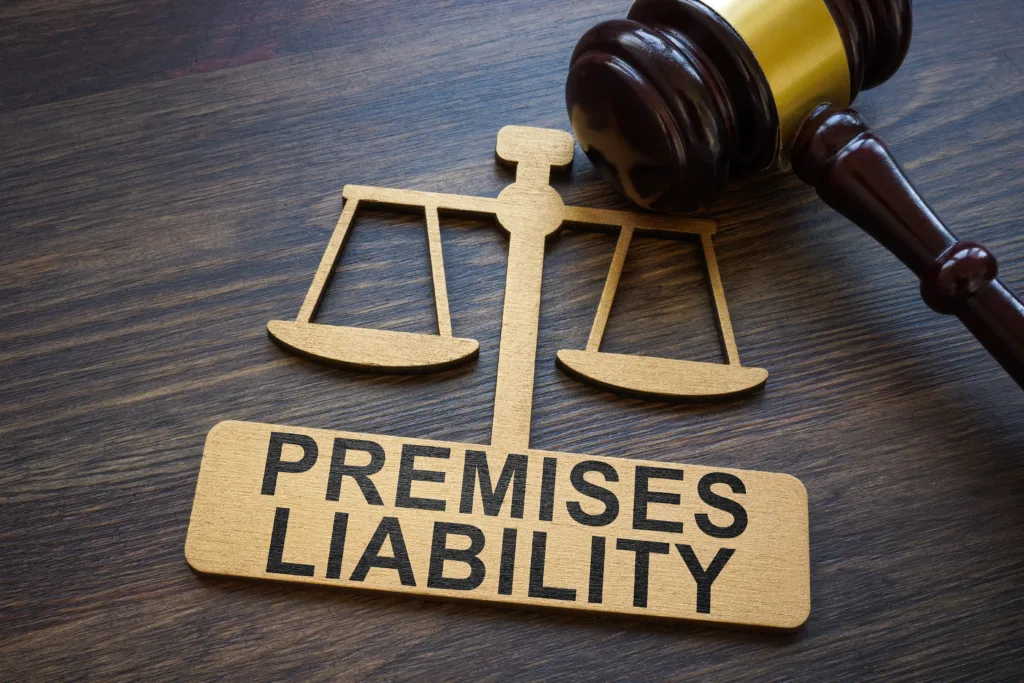
Successfully pursuing a premises liability claim is more complicated than showing you were injured on someone else’s property. The case hinges on two legal concepts: the visitor’s legal status and the owner’s knowledge of the dangerous condition.
What Is Your Legal Status?
Texas law classifies visitors into three categories, and the property owner’s duty of care changes for each one.
- Invitees: This is the category for people who are on the property for the mutual benefit of both parties, such as shoppers in a retail store, guests at a hotel, or clients in an office. Invitees are owed the highest duty of care. The property owner must not only warn of known dangers but also has a duty to reasonably inspect the property to discover and repair unsafe conditions.
- Licensees: A licensee is on the property with the owner’s permission but for their own benefit, such as a social guest at a friend’s house. The owner has a duty to warn the licensee of any dangers they are actually aware of, but they do not have a duty to inspect for unknown hazards.
- Trespassers: Generally, a property owner owes no duty to a trespasser, other than not to intentionally harm them. The major exception to this is for children, under a legal principle called the attractive nuisance doctrine. If a property has a feature that could foreseeably attract a child (like an unfenced swimming pool) the owner must take reasonable steps to prevent harm to a child who may not appreciate the danger.
Proving Notice Is Key
To hold a property owner liable, we generally must prove they had notice of the hazardous condition. This may be established in two ways:
- Actual Notice: This means the owner or their employee actually knew about the danger. For instance, another customer had already reported a spill, or an employee caused it.
- Constructive Notice: This is more common and typically more difficult to prove. It means the dangerous condition existed for a long enough period of time that a reasonably prudent owner should have discovered it upon reasonable inspection. This is where evidence like video surveillance, employee witness statements, and internal maintenance logs become invaluable.
Common Premises Liability Claims We Handle
- Slip and Falls: These are typically caused by wet floors without warning signs, uneven or cracked pavement, icy walkways, or poorly maintained flooring.
- Negligent Security: When a property owner fails to provide reasonable security measures in high-crime areas, they could be held responsible for assaults, robberies, or shootings that occur. This includes inadequate lighting, broken gates or locks, or a lack of security personnel.
- Elevator and Escalator Malfunctions: These may lead to severe crushing injuries, amputations, or falls from height due to sudden stops or door failures.
- Swimming Pool Accidents: Drownings and other injuries sometimes happen in pools that lack proper fencing, gates, or supervision.
- Fire Safety Violations: Injuries from burns and smoke inhalation may occur in apartment complexes or hotels with blocked fire exits, faulty smoke detectors, or other code violations.
Catastrophic Injuries in Premises Cases
A seemingly simple fall might result in devastating, lifelong injuries. Our firm has the resources to handle cases involving:
- Traumatic Brain Injuries (TBI): Caused by a fall or a falling object striking the head.
- Spinal Cord Injuries: A fall down poorly maintained stairs or on a slippery surface can damage the spinal cord, leading to paralysis.
- Severe Burns and Electrical Shocks: Resulting from faulty wiring or fire code violations.
The Statute of Limitations
In Texas, the general deadline to file a personal injury lawsuit, known as the statute of limitations, is two years from the date of the injury.
However, do not make the mistake of thinking you have two years to act. Key evidence, especially security camera footage, is frequently recorded over or deleted within a matter of days—sometimes in as little as 24 to 48 hours. The practical deadline to contact a Dallas premises liability lawyer is much, much sooner than the legal one.
Where Premises Accidents Occur in Dallas
As a major hub of construction, retail, and nightlife, Dallas has specific areas and types of properties that present heightened risks for patrons and residents.
High-Risk Locations
- Retail & Shopping Centers: Malls like NorthPark Center and Galleria Dallas, along with countless strip malls, see heavy foot traffic. Spills in food courts, poorly maintained walkways, and inadequate security in vast parking lots are common sources of injury.
- Apartment Complexes: Many large apartment complexes across Dallas, particularly in high-density areas, can fall behind on maintenance. Broken security gates, burned-out lights in parking garages and stairwells, and failures to address criminal activity on the property can lead to tragic and preventable violent crimes.
- Construction Zones: With constant roadwork on highways like I-35 and US-75 and new buildings going up, risks from falling debris, unsecured equipment, and unguarded holes are ever-present.
- Grocery Stores: Chains such as HEB, Kroger, and Whole Foods are frequent sites of slip and fall incidents due to spills that are not promptly cleaned.
- Government Buildings and Public Parks: Pursuing a claim against a city or state entity is possible, but it involves a different, more difficult set of rules under the Texas Tort Claims Act. This includes much shorter deadlines, requiring formal notice of a claim within just six months.
Local Context
The unpredictable Dallas weather can also play a role. Sudden, intense thunderstorms can cause water to pool at the entrances of businesses, creating slippery hazards that property owners have a duty to address with mats and warning signs. An owner cannot simply blame the rain for an injury they should have taken steps to prevent.
Dealing with Property Owners and Insurers

The insurance companies that represent commercial properties are for-profit businesses. Their primary obligation is to their shareholders, which means their goal in any claim is to minimize the payout.
Tactics to Watch Out For
- The Recorded Statement Trap: An adjuster may call you shortly after the incident and ask for a recorded statement. Their goal is to get you to say something that can be used against you later, such as downplaying your injuries, admitting you were distracted, or apologizing for the accident.
- Delay, Deny, Defend: The claims process can be long and filled with paperwork. Some insurers may drag out the process, hoping that your financial situation becomes desperate enough that you will accept a lowball offer out of necessity.
- Quick, Lowball Offers: Conversely, an insurer might offer you a fast check before the full extent of your injury is known. A spinal or brain injury may not show its full effects for weeks or months. Accepting an early offer closes your claim forever, even if your medical needs turn out to be far greater.
Commercial insurance policies are usually very large, sometimes covering millions of dollars in damages. The adjusters who manage these policies are trained negotiators who defend them aggressively. You need someone on your side who understands their playbook and can advocate effectively for you.
Frequently Asked Questions for a Dallas Premises Liability Lawyer
“Quentin Brogdon
– Alan Payne
Professional, knowledgeable, to the point, understands his field. I left first visit confident and in good hands. Returns you calls timely, doesn’t rush you to make decisions, but doesn’t let things get stale either. These are never good time, but if you need this kind of counseling, QB is the man you want on your side!! Many thx for your services !“
What if there was a Wet Floor sign, but I fell anyway?
A sign does not automatically absolve a property owner of liability. The sign must be placed in a way that it is clearly visible and provides a reasonable warning. If the sign was hidden, placed too far from the actual hazard, or was in a poorly lit area, it may not be considered an adequate warning.
Can I sue for an assault in my apartment parking lot?
You may have a claim for negligent security. The case would depend on whether the crime was foreseeable. If there was a history of similar crimes in the area or on the property and the apartment complex failed to take reasonable security measures (like fixing broken gates or improving lighting), they could be held liable.
What if I was injured on city/government property in Dallas?
Claims against government entities in Texas fall under the Texas Tort Claims Act, which has very specific rules. You must provide a formal written notice of your claim to the correct government body within a short timeframe, typically six months. Failing to meet this deadline will permanently bar your claim.
Does a pre-existing condition disqualify me from compensation?
No. A legal concept known as the eggshell plaintiff doctrine states that a defendant must take the victim as they find them. If the property owner’s negligence aggravated a pre-existing condition or made it worse, they are responsible for the full extent of the new harm they caused.
How long does a catastrophic injury lawsuit take to resolve?
The timeline for any legal case varies significantly based on its difficulty. A minor case may resolve relatively quickly, while a catastrophic injury case involving multiple parties, complicated medical evidence, and significant damages typically takes much longer to investigate and litigate. An experienced lawyer can provide a rough estimate based on the specific variables of your case.
Don’t Let Uncertainty Cost You Your Future
Suffering a catastrophic injury because a property owner decided to cut corners is an injustice you should not have to face alone.
At Crain Brogdon LLP, we have the resources, the experience, and the resolve to take on even the largest property owners and their insurance companies in Texas. We handle the legal battle so you and your family can focus on what is truly important: healing.We will give you an honest, clear assessment of your rights and options. Call now at (214) 522-9404.
Our Dallas Office
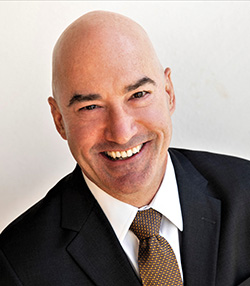
Attorney Quentin Brogdon
Quentin Brogdon has over thirty years of experience and expertise in the field of personal injury trial law. He is board certified in both personal injury trial law and civil trial advocacy. Quentin has received an AV rating from Martindale-Hubbell, the highest possible rating. This rating reflects an attorney’s ethics and abilities according to reviews from fellow attorneys. [ Attorney Bio ]
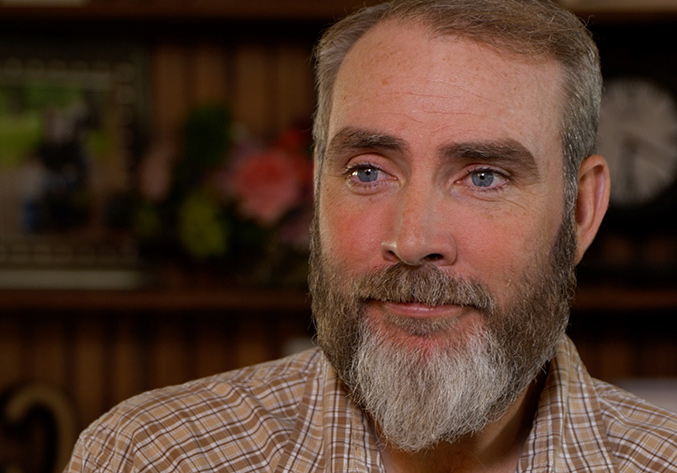

VIDEO: Client Testimonial
Devon Colbert describes working with Crain Brogdon, LLP to recover after a paralyzing injury.