

- October 12, 2026
- Catastrophic Injury
When a severe brain injury or a young age means the injured person cannot make legal decisions, the family is left to act on their behalf.
A guardianship personal injury settlement in Texas involves extra steps that protect the injured person: someone needs legal authority to sign, a judge has to approve the agreement, and the money must be set up so it lasts and does not cut off needed benefits.
Families in this position are often caring for a loved one while trying to understand an unfamiliar court process.
If your family is facing these decisions after a catastrophic injury, a Texas catastrophic injury lawyer can review the case for free and explain how the settlement process will work.
The Bottom Line for Families
These points shape every settlement involving a minor or an adult who cannot manage their own affairs:
- A person who lacks legal capacity cannot sign a binding settlement, so a guardian or other court-recognized representative must act.
- Texas courts review and approve settlements for minors and incapacitated adults to make sure they are fair.
- Settlement funds are usually placed in a protected arrangement, such as a court registry account or a trust, rather than handed over directly.
- A properly structured special needs trust can help preserve eligibility for Medicaid and Supplemental Security Income (SSI).
- These decisions overlap with estate and benefits law, so coordination with a special needs planner is often part of the process.
Who can settle a personal injury case for someone who is incapacitated in Texas?
A court-appointed representative, usually a guardian, and the court must approve the settlement.
The money is then commonly placed in a court-supervised account or a special needs trust to protect the injured person’s benefits.
Why Can’t the Family Simply Sign the Settlement?

A settlement is a contract, and a contract signed by someone without legal capacity can be challenged later.
Insurers and defendants want a release that will hold up, and courts want to make sure the injured person’s interests are protected.
Minors
A child cannot sign a binding release, and although a parent usually brings the claim on the child’s behalf, a parent’s signature alone does not finalize it.
A Texas court must review the proposed settlement, and that court approval of a minor’s settlement is what makes it binding.
This protects the child from a settlement that later turns out to be too small, and it protects the defendant by making the release final.
Adults With Severe Injuries
In brain injury recovery claims, an adult with a severe brain injury may lack the capacity to understand a settlement or manage money.
If the person did not sign a durable power of attorney before the injury, the family often needs a court to appoint a guardian, or to approve another legal arrangement, before the case can be resolved. That is the most common path to a Texas guardianship after a brain injury.
How Does a Texas Guardianship Work in an Injury Case?
A guardianship gives a court-appointed person legal authority to act for someone who cannot act for themselves.
In injury cases, the key role is usually guardian of the estate, which covers financial and legal matters such as a settlement.
What the Court Requires
A guardianship case for an adult usually involves:
- An application filed by a family member or other interested person.
- A medical examination and written report from a physician.
- Notice to the proposed ward and certain relatives.
- A hearing where the judge reviews the evidence and decides whether a guardianship is needed.
Under the Texas Estates Code, a court must find by clear and convincing evidence that the person is incapacitated before creating a guardianship.
A physician’s examination and report are typically required, and the proposed ward is entitled to an attorney ad litem who protects their interests during the proceeding.
Less Restrictive Alternatives
Texas law favors the least restrictive option that meets the person’s needs.
Depending on the situation, a supported decision-making agreement, a power of attorney signed before the injury, or a court-created trust may reduce or avoid the need for a full guardianship.
The right choice depends on what the person can still do and how much money is involved.
From Guardianship to Settlement: The Step-by-Step Process
[IMAGE: pen-on-settlement-documents.webp | alt: Pen resting on legal documents on a desk]

Every case is different, but most settlements for an incapacitated adult or a minor follow a similar path in Texas:
- Step 1, identify the decision-maker: Determine whether a parent, an existing agent, or a court-appointed guardian has authority to act.
- Step 2, open the guardianship if needed: File an application, obtain the physician’s report, and attend the hearing where the court decides on incapacity.
- Step 3, negotiate the settlement: The injury lawyer and the guardian evaluate offers against the life care plan and other evidence.
- Step 4, appoint a guardian or attorney ad litem when required: The court may appoint a neutral representative to review whether the settlement is fair, especially when family members could have competing interests.
- Step 5, present the settlement for approval: A judge reviews the amount, the fee, liens, and how the money will be held.
- Step 6, resolve liens and reimbursements: Medicaid, Medicare, health plans, and hospitals may have claims that must be addressed.
- Step 7, fund the protected arrangement: The money goes into the court registry, a court-created trust, a special needs trust, or a structured annuity, as the court orders.
The order can shift slightly from case to case. What stays constant is court oversight of each major decision.
Where Does the Settlement Money Go?
Texas law offers several ways to hold money for a minor or an incapacitated person. The right fit depends on the amount, the person’s age, and whether they rely on needs-based benefits.
Amounts vary widely, and brain injury settlements in Texas are often among the largest.
| Option | Who it often fits | Effect on needs-based benefits | Who controls the money |
|---|---|---|---|
| Court registry account | Smaller recoveries for minors or incapacitated adults | Funds may count as a resource | County or district clerk, under court order |
| Court-created trust under Texas Property Code | Larger recoveries needing ongoing management | Depends on the trust terms | Trustee, often a financial institution, under court supervision |
| First-party special needs trust | People under 65 with disabilities who rely on Medicaid or SSI | Generally not counted, if properly drafted | Trustee, with a Medicaid payback at the end |
| Pooled special needs trust | People who need benefit protection with smaller sums | Generally not counted, if properly drafted | Nonprofit organization managing separate accounts |
| Structured settlement annuity | Long-term income needs | Payments may count unless directed to a trust | Insurer or assignment company making scheduled payments |
The choice often combines more than one option.
For example, a structured settlement for an incapacitated adult can pay into a special needs trust over time.
Payments Without a Full Guardianship
For smaller amounts, Texas has a shortcut.
Under Chapter 1355 of the Estates Code, money owed to a minor or incapacitated person, up to a statutory limit, can be paid into the court registry without opening a guardianship of the estate.
The clerk invests and holds the funds until the court authorizes their use.
Court-Created Trusts
For larger recoveries, a court can create a trust under Chapter 142 of the Texas Property Code to manage a minor’s or incapacitated person’s money.
The trust can pay for care and needs over time, under rules set by the court.
How Special Needs Trusts Protect Benefits
Many people with catastrophic injuries, including those pursuing spinal cord injury claims, rely on Medicaid for long-term care and on SSI for basic support.
Both programs have strict limits on what a person can own, and the Social Security Administration explains that a qualifying special needs trust is not counted as a resource for SSI purposes.
Requirements for a First-Party Trust
A first-party special needs trust holds the injured person’s own money, which makes it the most common special needs trust for a personal injury settlement.
It generally must be established for a person with a disability who is under 65, and it must repay the state for Medicaid benefits when the trust ends.
A court order often establishes these trusts for injury settlements.
Other Tools Families Ask About
Pooled trusts managed by nonprofit organizations can be an option when the amount is smaller or the person is older.
Achieving a Better Life Experience (ABLE) accounts may also help with everyday expenses for eligible people whose disability began at a young age.
These tools have specific rules, which is why coordination with a special needs planner matters.
Working Alongside a Special Needs Planner

An injury lawyer’s job is to build the case, pursue the full recovery the evidence supports, and get the settlement approved.
Decisions about trust drafting, benefit eligibility, and long-term financial management belong to special needs planners, trust attorneys, and financial professionals.
Partner Rob Crain has described why long-term planning matters to the community as well as the family: “If this individual doesn’t get the ability to take care of themselves going forward in the future, then the taxpayers, we are going to be paying for their needs through the county hospitals.”
What Coordination Looks Like
In practice, the injury team and the planner share information well before a settlement is final. The planner usually needs:
- The life care plan and the projected cost of future care.
- The expected settlement amount, along with any structured payment options.
- A list of current benefits, such as Medicaid, SSI, Medicare, or Social Security disability.
- Information about liens and reimbursement claims from health programs and insurers.
With that information, the planner recommends how the money should be held, and the court approves the final structure.
Starting that conversation before the case settles prevents delays and mistakes that are hard to undo.
FAQs: Guardianship and Personal Injury Settlements in Texas
How long does a Texas guardianship take in an injury case?
Often several weeks to a few months. In Texas, the timeline depends on obtaining the physician’s report, serving notice, appointing an attorney ad litem, and the court’s schedule.
Starting the guardianship while the injury case is still developing usually keeps it from delaying the settlement.
Who pays for the guardianship and the ad litem in a Texas injury settlement?
The costs are often paid from the settlement, subject to court approval. Texas courts review guardianship fees and ad litem fees, along with the injury lawyer’s fee and case expenses, before approving the distribution.
The court’s goal is to protect the injured person’s share.
What happens to the money when a minor turns 18 in Texas?
It depends on how the money is held. Funds in a court registry are generally paid to the person at 18, while a court-created trust under Texas law can continue until a later age set by the statute or the court.
Families concerned about a young adult receiving a large sum at once often choose a trust or structured payments.
Can a guardian use settlement money to pay family members for care in Texas?
Sometimes, with court approval. A Texas guardian generally must seek court authority for significant expenses, and paying family caregivers raises questions the court will examine closely.
A written care agreement and clear records help show the payments serve the injured person’s needs.
Does a guardianship ever end?
Yes. In Texas, a guardianship can be modified or ended if the person regains capacity, and a guardianship of a minor generally ends when the child becomes an adult.
The court reviews guardianships regularly and can restore rights when the person’s condition improves.
Answers for Families Acting on a Loved One’s Behalf
Making legal and financial decisions for someone you love is a heavy responsibility, especially while they are healing.
Understanding the guardianship and trust process ahead of time helps the family make those decisions with confidence.
Crain Brogdon, LLP works with families across Texas on catastrophic injury cases involving minors and incapacitated adults, and coordinates with special needs planners so settlements are structured to last.
Call (214) 522-9404 for a free, confidential consultation.
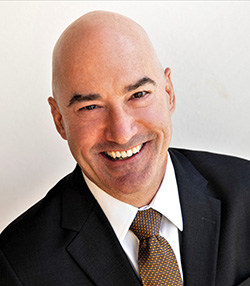
Attorney Quentin Brogdon
Quentin Brogdon has over thirty years of experience and expertise in the field of personal injury trial law. He is board certified in both personal injury trial law and civil trial advocacy. Quentin has received an AV rating from Martindale-Hubbell, the highest possible rating. This rating reflects an attorney’s ethics and abilities according to reviews from fellow attorneys. [ Attorney Bio ]


Recent Comments