

- October 20, 2026
- Electrocution
An electrical injury on a job site happens in a fraction of a second, but its effects can last a lifetime.
Deep burns, heart rhythm problems, nerve damage, and amputations are common after high-voltage contact or an arc flash, and many families quickly learn that workers’ compensation, if it applies at all, covers only part of what they have lost.
An electrocution injury lawsuit in Texas often reaches beyond the employer, to the other companies that controlled the site, the power lines, or the equipment.
Understanding who else may be responsible is the first step toward answers. If someone in your family was hurt or killed by electricity at work, a Texas catastrophic injury lawyer can review what happened for free and explain which claims may be available.
Key Takeaways About Electrical Injury Claims
- Texas employers can opt out of workers’ compensation, and injured workers can sue those non-subscribing employers for negligence.
- Even when the employer carries coverage, general contractors, property owners, utilities, and manufacturers can face separate claims.
- Texas law sets specific rules for work near high-voltage power lines, and violating them can support liability.
- Electrical injuries are often worse than they first appear, because damage to muscles, nerves, and the heart can be hidden beneath small surface burns.
Can I sue someone other than my employer for an electrical injury in Texas?
Often, yes. In Texas, an injured worker can sue an employer that does not carry workers’ compensation.
They can also sue a general contractor, property owner, utility, or equipment manufacturer whose conduct contributed to the electrical hazard.
Why Are Electrical Injuries So Severe?
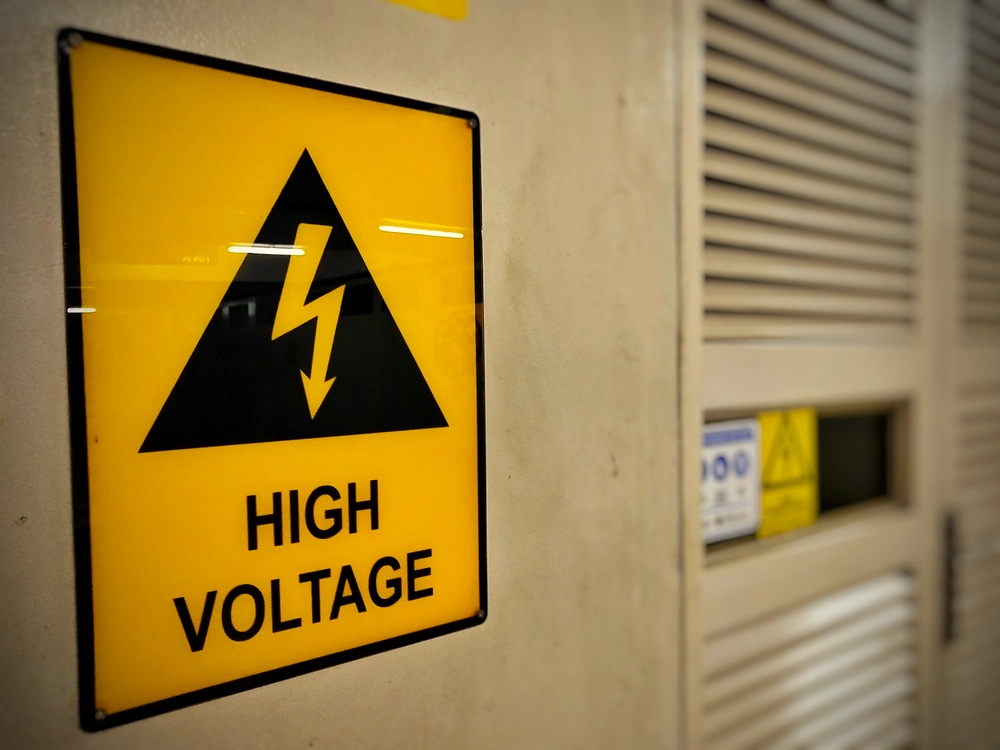
Electricity travels through the body along the path of least resistance, damaging muscle, blood vessels, and nerves along the way. The visible entry and exit burns can be small even when the internal damage is extensive.
An arc flash adds another danger: an explosive release of heat and light that can burn skin and ignite clothing without any direct contact.
Common Injuries After Electrical Contact
Doctors treating electrical injuries look for several kinds of harm, some of which appear days or weeks later:
- Deep tissue burns and other severe burn injuries that may require repeated surgery or amputation.
- Irregular heartbeat and other cardiac complications.
- Nerve damage causing numbness, weakness, or chronic pain.
- Brain and spinal injuries, either from the current itself or from a fall after the shock.
- Vision and hearing damage from an arc flash blast.
These injuries often require care from burn units, cardiologists, neurologists, and rehabilitation teams.
The long-term cost of that care is a major part of any claim.
Symptoms That Appear Later
Some effects of an electrical injury do not show up until weeks or months after the incident.
Workers may develop memory problems, difficulty concentrating, depression, anxiety, or sleep disturbances, and some develop cataracts long after an arc flash.
Because these problems surface after the first medical visits, insurers sometimes argue they are unrelated.
Consistent follow-up care creates a record that connects later symptoms to the original injury.
For a skilled tradesperson, these lingering effects can end a career even after the burns heal, which makes lost earning capacity one of the largest parts of many electrical injury claims.
Does Workers’ Compensation Cover an Electrocution Injury in Texas?
Texas is unusual because private employers can choose not to carry workers’ compensation insurance.
That choice changes how Texas workplace injury claims work for an injured employee.
When the Employer Is a Non-Subscriber
Under the Texas Labor Code, an employee hurt on the job by a non-subscribing employer’s negligence can sue that employer.
The employer cannot argue that the worker was contributorily negligent, assumed the risk, or was hurt by a coworker’s negligence.
Those lost defenses make a non-subscriber electrical injury claim much stronger than an ordinary negligence case.
When the Employer Has Coverage
When the employer carries workers’ compensation, benefits are generally the worker’s only remedy against that employer.
The exclusive remedy rule has an important exception for families: when a worker is killed through the employer’s gross negligence or intentional act, the surviving spouse and heirs of the body may seek exemplary damages.
Claims against other companies on the site remain available either way, the same principle behind suing beyond workers’ comp on construction projects.
Who Else Can Be Liable for an Electrical Injury?
[IMAGE: industrial-electrical-switchgear.webp | alt: Row of industrial electrical switchgear cabinets]

Large job sites, where many construction site injuries happen, bring together owners, general contractors, subcontractors, utilities, and equipment suppliers.
Each may have had a role in creating or preventing the electrical hazard, which is where third-party liability for an electrical injury in Texas comes in.
| Party | Where the duty comes from | Common failures |
|---|---|---|
| General contractor | Control over site safety and the sequence of work | No lockout procedures, crews scheduled to work near energized lines |
| Property owner | Control of the work and knowledge of the danger | Failing to warn about known energized equipment |
| Electric utility | Duties as the operator of overhead and underground lines | Failing to de-energize or guard lines after notice |
| Electrical subcontractor | Responsibility for its own electrical work | Mislabeled panels, improper wiring, energized circuits left exposed |
| Equipment manufacturer | Texas products liability law | Defective insulation, breakers, switchgear, or missing warnings |
| Crane or equipment operator | Operation of booms, lifts, and dump beds | Bringing equipment into contact with overhead lines |
Finding every responsible party matters because each may carry its own insurance.
In catastrophic electrical cases, one policy is rarely enough to cover a lifetime of care, and the contracts between these companies often show who agreed to handle safety on the site.
Property Owners and Chapter 95
When a contractor’s employee is hurt while building, repairing, or renovating an improvement to real property, Chapter 95 of the Civil Practice and Remedies Code limits the property owner’s liability.
The worker generally must show that the owner exercised some control over how the work was done and had actual knowledge of the danger, yet failed to adequately warn.
These cases turn on documents and testimony about who actually directed the work.
Equipment and Product Defects
An arc flash injury claim sometimes traces back to equipment that failed in a way it should not have, such as a breaker that did not trip or switchgear with a design flaw.
Texas products liability law requires proof, in a design defect case, that a safer alternative design was available.
Preserving the failed equipment is essential, because the parts themselves are often the strongest evidence.
Texas Rules for Work Near Power Lines
[IMAGE: crane-near-overhead-power-lines.webp | alt: Crane operating near overhead power lines on a construction site]
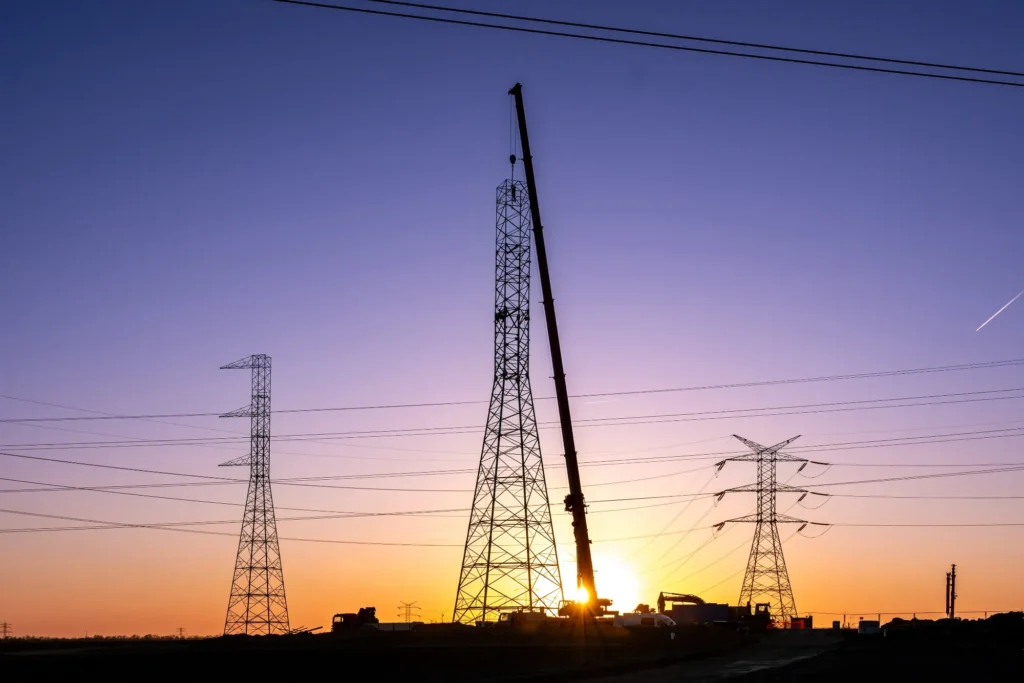
Many job site electrocutions involve contact with overhead lines. Texas addresses this hazard directly in Chapter 752 of the Health and Safety Code.
The statute generally prohibits work, equipment, and materials from coming within six feet of a high-voltage overhead line unless the responsible party has made safety arrangements with the line’s operator.
Before work closer than that distance, the responsible party must notify the operator at least 48 hours in advance and reach an agreement for de-energizing, moving, or guarding the line.
How These Rules Affect Liability
A violation of these rules can be powerful evidence that a company failed to protect workers. The statute also bars a company from requiring an employee to perform prohibited work near a line.
When a supervisor told a crew to keep working near an energized line, that instruction becomes central to the case.
Federal Safety Standards on the Job Site
[IMAGE: lockout-tagout-padlock-breaker.webp | alt: Lockout tagout padlock on an electrical breaker]
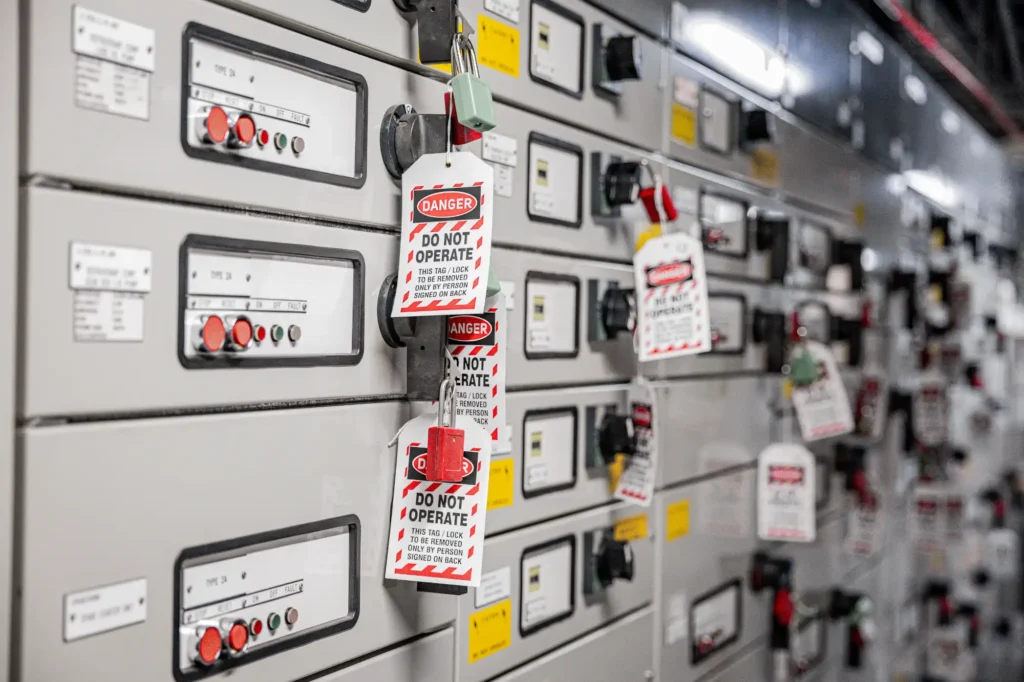
Federal workplace rules set additional expectations for electrical work.
The Occupational Safety and Health Administration (OSHA) requires employers to deenergize parts before employees work on them in most situations and to use safe electrical work practices when work near energized parts cannot be avoided.
Investigations into job site electrocutions frequently uncover the same safety failures:
- Skipped lockout and tagout procedures, which keep equipment from being re-energized during maintenance.
- Missing or inadequate arc-rated clothing, gloves, and face protection.
- Workers assigned to electrical tasks without the training required for qualified workers.
- Circuits assumed to be dead instead of tested before work begins.
Each of these failures leaves a paper trail in training records, permits, and safety logs.
Why Violations Matter
An OSHA citation does not automatically decide a civil case, but the standards help show what a reasonable company should have done.
Inspection reports, interviews, and photographs from an OSHA investigation can also become valuable evidence.
Accountability and Safer Job Sites
Electrical injury cases are about more than one worker’s recovery.
They often expose shortcuts that put entire crews at risk, and holding a company accountable can change how it protects the next crew.
Partner Rob Crain has explained why that accountability matters: “Companies don’t want to get hit with a big verdict again. It often takes them learning their lesson that they can’t get away with it before they make really important safety changes.”
What Families Can Do Now
Early steps protect both the injured worker and the claim:
- Get complete medical care, including cardiac and neurological follow-up, even if the burns look minor.
- Write down the names of the companies, supervisors, and crews working on the site that day.
- Keep clothing, gloves, tools, and other personal items involved in the incident.
- Avoid signing releases or recorded statements for an employer or insurer before getting advice.
- Ask a lawyer to send preservation letters for the equipment, panels, and site records.
FAQs: Electrocution Injury Lawsuits in Texas
Can an independent contractor sue for an electrical injury on a Texas job site?
Often, yes. An independent contractor is usually not covered by the hiring company’s workers’ compensation, which means the exclusive remedy bar may not apply.
The contractor may be able to bring a negligence claim against the general contractor, property owner, or other companies whose conduct contributed to the electrical hazard.
How long do I have to file an electrocution injury lawsuit in Texas?
Most Texas personal injury and wrongful death claims must be filed within two years. Claims against a government-owned utility or public entity usually require written notice much sooner, often within six months.
Claims involving older equipment can also be affected by a 15-year product liability deadline.
Does it matter that the worker was a trained electrician?
It can be raised, but it does not end the claim. In Texas, a defendant may argue that a trained electrician should have recognized the danger, and that argument goes to the jury’s allocation of fault.
Training does not excuse a company that left a circuit energized, mislabeled a panel, or ordered work to continue near a live line.
Are arc flash burns treated differently from electrocution injuries in a Texas claim?
Legally, they are handled the same way. Both are injuries caused by an electrical hazard, and liability depends on who created or failed to control that hazard.
Medically, arc flash burns are often thermal burns from intense heat, while electrocution can cause internal damage, so the treating specialists and evidence may differ.
What if the electrical injury happened at a refinery or chemical plant?
Plants often bring in many contractors at once, which can mean several potentially responsible companies. In Texas, the plant owner may be protected by Chapter 95 unless it controlled the work and knew of the danger.
Contracts between the owner and contractors, safety permits, and work orders usually show who directed the job.
Answers and Accountability After a Job Site Electrical Injury
An electrical injury can leave a worker facing years of surgery, therapy, and lost income, and a family facing hard questions about how it happened.
Those questions call for real answers, and the companies whose choices created the danger should answer for them.
Through our Dallas electrocution injury practice, Crain Brogdon, LLP represents Texas workers and families in catastrophic electrical injury cases, including claims against contractors, property owners, utilities, and manufacturers.
Call (214) 522-9404 for a free, confidential consultation with a Texas construction electrocution lawyer on our team.

Attorney Quentin Brogdon
Quentin Brogdon has over thirty years of experience and expertise in the field of personal injury trial law. He is board certified in both personal injury trial law and civil trial advocacy. Quentin has received an AV rating from Martindale-Hubbell, the highest possible rating. This rating reflects an attorney’s ethics and abilities according to reviews from fellow attorneys. [ Attorney Bio ]


Recent Comments