

- July 24, 2024
- Personal Injury
Walking in Texas can be far more dangerous than most people realize—until it happens to them. Pedestrians represent approximately one percent of reported traffic crashes statewide, yet they account for nearly one in five roadway fatalities.
If you or someone you love has been struck while crossing the street, jogging on a sidewalk, or navigating a parking lot, you already know how a single moment of driver negligence changes everything.
A Texas pedestrian accident lawyer at Crain Brogdon, LLP is available to review your case and advocate for the compensation available under Texas law. Contact our Dallas office for a free consultation.
Key Takeaways About Texas Pedestrian Accident Claims
- Pedestrians face severe and often life-altering injuries because they lack the protection that vehicle occupants have, making legal representation valuable when pursuing a claim.
- Texas law places specific duties on both drivers and pedestrians, and understanding these responsibilities helps establish fault in a collision.
- The Lisa Torry Smith Act created criminal penalties for drivers who injure pedestrians in crosswalks, signaling stronger protections for those on foot.
- Shorter daylight hours during fall and winter months increase pedestrian collision risks throughout cities like Dallas, Fort Worth, Houston, and San Antonio.
- Filing deadlines and evidence preservation matter in pedestrian injury cases, so taking prompt action protects your legal options.
How Crain Brogdon, LLP Supports Pedestrian Accident Victims in Texas

Being struck by a vehicle while walking creates physical, emotional, and financial hardship that ripples through every part of your life.
Medical bills pile up quickly. Lost wages strain your household budget. Pain and trauma linger long after the initial impact.
At Crain Brogdon, LLP, we handle catastrophic injury cases throughout Texas and understand the unique challenges pedestrian victims face.
Investigating Texas Pedestrian Accidents to Determine Liability
Our Texas pedestrian accident lawyers investigate every detail surrounding your accident. We gather police reports, witness statements, traffic camera footage, and medical records to understand how the accident occurred and who may be legally responsible.
Many pedestrian collisions involve driver distraction, intoxication, or failure to yield at crosswalks. Identifying these factors strengthens your position when negotiating with insurance companies or presenting your case to a jury.
Pursuing Fair Compensation for Injured Pedestrians
Insurance adjusters often attempt to minimize payouts or shift blame onto the pedestrian. Our legal team pushes back against these tactics.
We calculate the full scope of your damages, including future medical care, rehabilitation expenses, lost earning capacity, and pain and suffering. Our firm has recovered more than $355 million in personal injury cases, giving us the experience and resources to handle complex pedestrian accident claims.
Texas law provides pedestrians with certain protections, but exercising those rights requires legal guidance from attorneys who know how to navigate complex liability questions. If you’ve been injured in a pedestrian accident, reach out to our Dallas office to discuss your situation.
Why Pedestrians Face Greater Danger Than Other Road Users
The vulnerability of a person on foot compared to someone inside a vehicle creates a stark disparity when collisions occur. Cars, trucks, and SUVs weigh thousands of pounds and travel at speeds that transform them into deadly forces upon impact. Pedestrians have no seatbelts, airbags, or steel frames shielding them from harm.
The Physics Behind Serious Pedestrian Accident Injuries
When a 4,000-pound vehicle strikes a person walking at even moderate speeds, the results are frequently catastrophic. Traumatic brain injuries, spinal cord damage, multiple fractures, and internal organ trauma represent common outcomes. Many survivors require months or years of rehabilitation, and some face permanent disabilities that alter their lives forever.
Large SUVs and pickup trucks present additional dangers worth noting. Their elevated front ends create blind spots that make spotting pedestrians difficult, particularly children and wheelchair users. The height of these vehicles also means pedestrians are more likely to be struck in the torso or head rather than the legs, increasing injury severity.
How Rapid Urban Growth Increases Pedestrian Accident Risk
Texas cities continue expanding rapidly, bringing more vehicles onto roads that were not always designed with pedestrian safety in mind. Areas around Dallas, Houston, Austin, and San Antonio see heavy foot traffic near shopping centers, transit stops, schools, and residential neighborhoods. Infrastructure improvements have not kept pace with population growth in many communities, leaving pedestrians navigating dangerous intersections and poorly lit roadways.
Leading Causes of Pedestrian Accidents in Texas
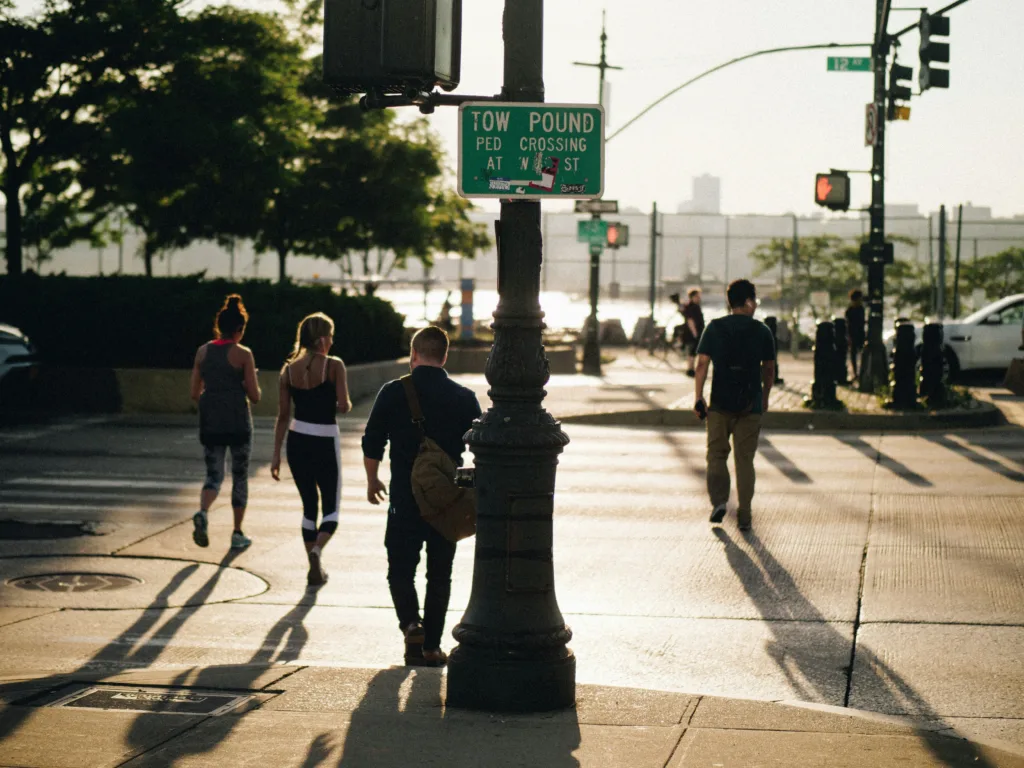
Multiple circumstances combine to create hazardous conditions for people walking on or near Texas roadways. Understanding these factors helps both drivers and pedestrians recognize risks and take preventive measures.
Driver Negligence That Causes Pedestrian Collisions
Certain actions behind the wheel dramatically increase the likelihood of striking someone on foot. These behaviors reflect choices that drivers make, often with devastating consequences for innocent pedestrians.
- Distracted driving from cell phone use, eating, adjusting navigation systems, or engaging with passengers pulls attention away from the road at moments when reaction time matters most.
- Speeding reduces a driver’s ability to stop when a pedestrian enters their path, while also increasing the force of impact when a collision occurs.
- Impaired driving from alcohol, marijuana, prescription medications, or illegal drugs slows reaction time and impairs judgment about speed and distance.
- Failing to yield at crosswalks, intersections, or driveways to pedestrians who are lawfully in the crosswalk and entitled to the right of way under Texas Transportation Code Chapter 552 is a direct violation of state law.
- Aggressive driving behaviors like running red lights, making illegal turns, and ignoring traffic signals place pedestrians in the path of danger.
When drivers prioritize convenience or impatience over safety, pedestrians often suffer the most serious and life-altering consequences.
Road Design, Lighting, and Environmental Hazards
Not every pedestrian accident stems from driver misconduct. Physical conditions on Texas roadways contribute to collisions as well.
Poorly marked crosswalks, inadequate lighting, missing sidewalks, and confusing intersection designs create hazards that pedestrians must navigate daily. Construction zones and road work areas present particular dangers when pedestrian detours force people into traffic lanes or unfamiliar routes.
Weather conditions also play a role. Rain reduces visibility for both drivers and pedestrians while making road surfaces slick. Glare from the sun during early morning and late afternoon hours blinds drivers at precisely the times when many people walk to work, school, or transit stops.
Pedestrian Behavior and Shared Fault Considerations Under Texas Law
While drivers bear legal responsibility in many collisions, pedestrians also have duties under Texas law. Crossing against traffic signals, jaywalking outside marked crosswalks, walking while impaired by alcohol or drugs, and wearing dark clothing at night without reflective elements all increase accident risk. These factors may affect liability determinations and damage awards in personal injury claims.
Seasonal Trends in Texas Pedestrian Accidents and Fatalities
Pedestrian fatalities aren’t evenly distributed across the year, and there are observed increases in fatality risk associated with reduced daylight and certain seasonal conditions, particularly in fall and winter in Texas.
However, the precise patterns can vary by location and year, and these conclusions are based on state safety reports and research linking visibility and time-of-day effects to fatal crashes.
Why Fall and Winter Are the Deadliest Months for Pedestrians
October through February represents the deadliest stretch for Texas pedestrians. Shorter days mean more people walk during darkness, when visibility drops significantly.
Time changes in November compound this problem by shifting evening commutes into twilight and nighttime hours. Cooler temperatures also bring more Texans outdoors for walking after months of avoiding summer heat.
The combination of reduced visibility and increased pedestrian activity creates dangerous conditions on roads throughout the state. Drivers commuting home from work struggle to spot people crossing streets or walking along roadsides. Pedestrians assume vehicles see them when they often do not.
Holiday Travel, Alcohol Use, and Special Event Risks
Major holidays and special events correlate with spikes in pedestrian accidents. Thanksgiving, Christmas, and New Year celebrations involve alcohol consumption and unfamiliar driving routes.
Large gatherings at stadiums, fairgrounds, and entertainment districts in cities like Dallas, Arlington, and Houston concentrate pedestrian traffic in areas where vehicle movement also intensifies. Understanding these patterns helps both drivers and pedestrians exercise extra caution during high-risk periods.
Texas Laws Protecting Pedestrians
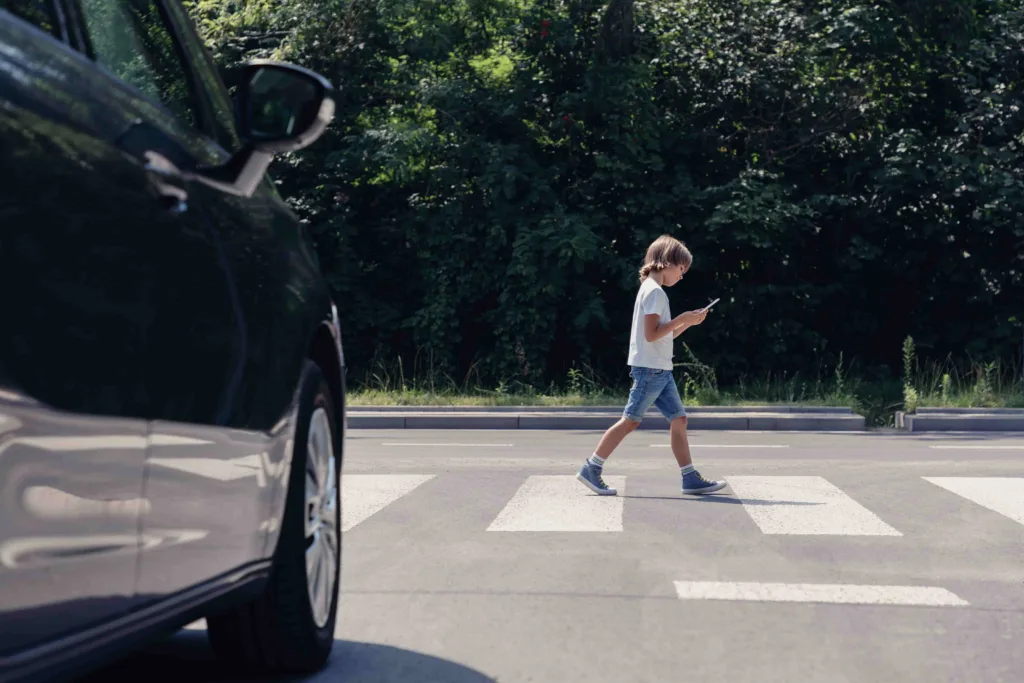
State statutes establish rules governing how drivers and pedestrians must interact on roadways. Violations of these laws often form the basis for negligence claims following pedestrian accidents.
Right of Way Rules Under the Transportation Code
Texas Transportation Code Section 552.003 requires vehicle operators to stop and yield the right of way to pedestrians crossing within marked or unmarked crosswalks when no traffic control signal is present.
Section 552.008 further mandates that drivers exercise due care to avoid colliding with pedestrians, give warning by sounding the horn when necessary, and exercise proper precaution when observing children or confused or incapacitated persons on a roadway.
These provisions create clear legal duties that, when breached, may support a finding of driver negligence. Your Texas pedestrian accident lawyer will examine whether the driver who struck you violated any of these requirements.
The Lisa Torry Smith Act and Crosswalk Safety Laws
In September 2021, Texas enacted the Lisa Torry Smith Act following the tragic death of a Missouri City mother who was struck and killed while walking her son to kindergarten. This law, codified in Texas Transportation Code Section 545.428, makes it a criminal offense when a driver with criminal negligence operates a motor vehicle within a crosswalk area and causes bodily injury to a pedestrian.
Key provisions of this law include the following:
- Bodily injury to a pedestrian in a crosswalk constitutes a Class A misdemeanor offense.
- Serious bodily injury resulting from the collision elevates the offense to a state jail felony, carrying potential penalties of six months to two years in a state jail facility and fines up to $10,000.
- The law protects not only pedestrians but also cyclists, wheelchair users, and operators of other mobility devices.
- Drivers must stop and yield to pedestrians lawfully in intersections or adjacent crosswalks.
Criminal prosecution under this statute does not preclude civil liability claims. Victims and their families may pursue compensation through personal injury or wrongful death lawsuits independent of any criminal charges filed against the driver.
Compensation Available in Texas Pedestrian Injury Claims
Pedestrian accident victims may recover damages for various losses depending on the circumstances of their case. Texas law permits compensation for both economic and non-economic harms.
Economic Damages for Medical Bills and Lost Income
Financial losses with documented monetary values fall into this category. Medical expenses represent the largest component for most pedestrian victims, encompassing emergency care, hospitalization, surgery, medication, rehabilitation, and ongoing treatment.
Lost wages from time away from work and diminished earning capacity from permanent disabilities also qualify as economic damages. Property damage to personal items destroyed in the collision rounds out this category.
Non-Economic Damages for Pain, Suffering, and Emotional Trauma
Injuries affect victims in ways that defy simple dollar calculations. These losses are often classified as non-economic damages, including physical pain and suffering, emotional distress, loss of enjoyment of life, disfigurement, and loss of consortium, all of which can profoundly impact quality of life. Texas law permits recovery for these harms, though calculating appropriate amounts requires experience evaluating similar cases.
In wrongful death claims filed by surviving family members, recoverable damages may include funeral and burial expenses, loss of financial support, loss of companionship and guidance, and mental anguish.
FAQs for Texas Pedestrian Accident Lawyer
How long do I have to file a pedestrian accident lawsuit in Texas?
Texas generally imposes a two-year statute of limitations for personal injury claims, beginning from the date of the accident. Missing this deadline typically bars you from recovering compensation through the courts. Certain circumstances may affect this timeline, making early consultation with an attorney advisable.
What if I was partially at fault for the pedestrian accident?
Texas follows a modified comparative fault rule. You may still recover damages if you were less than 51 percent responsible for the accident, though your compensation will be reduced by your percentage of fault. Insurance companies often attempt to assign blame to pedestrians, making legal representation valuable in contested cases.
Does the Lisa Torry Smith Act help my civil case?
Criminal charges under this law do not automatically prove civil liability, but evidence gathered during criminal proceedings may support your injury claim. A conviction or guilty plea demonstrates that the driver acted with criminal negligence, which may support arguments for civil damages in a related injury claim.
What compensation might I receive for my pedestrian accident injuries?
Recovery depends on the severity of your injuries and the circumstances of your case. You may receive compensation for medical expenses, lost income, pain and suffering, and other damages. Catastrophic injuries involving brain trauma, spinal cord damage, or amputation often involve higher potential damages due to their long-term impact on victims’ lives.
How do I pay for a pedestrian accident lawyer?
Crain Brogdon, LLP handles pedestrian injury cases on a contingency fee basis. You pay no upfront costs and owe attorney fees only if we recover compensation on your behalf. This arrangement allows accident victims to access quality legal representation regardless of their current financial situation.
Take Action with a Texas Pedestrian Accident Lawyer Today

After a pedestrian accident, time matters. Evidence can be lost, memories fade, and insurance companies begin protecting their own interests almost immediately. While your recovery may take months or even years, the time to protect your legal rights is limited.
Contact Crain Brogdon, LLP today to speak with an experienced Texas pedestrian accident lawyer at no cost. Our team will evaluate your case, clearly outline your legal options, and take decisive action to seek the compensation you may be entitled to under Texas law. We provide dedicated, one-on-one representation and stand ready to advocate for you when it matters most.
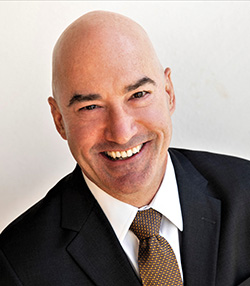
Attorney Quentin Brogdon
Quentin Brogdon has over thirty years of experience and expertise in the field of personal injury trial law. He is board certified in both personal injury trial law and civil trial advocacy. Quentin has received an AV rating from Martindale-Hubbell, the highest possible rating. This rating reflects an attorney’s ethics and abilities according to reviews from fellow attorneys. [ Attorney Bio ]



Recent Comments