

- May 22, 2026
- Personal Injury
- Truck Accidents

Quick Answer: Can a Trucking Company Be Held Liable Even If the Driver Was an Independent Contractor?
Yes, a trucking company can often be held liable even when the driver was classified as an independent contractor. Courts and juries look past job titles to examine how much control the company actually had over the driver.
- Trucking companies may be liable if they controlled the driver’s routes, schedules, or equipment, regardless of how the driver was classified on paper.
- Federal motor carrier regulations require trucking companies to maintain safety standards, and those duties don’t disappear simply because a driver holds contractor status.
- If a trucking company failed to screen, train, or properly oversee a driver, that negligence may make the company directly responsible for a crash.
An attorney experienced in truck accident cases can evaluate the specific facts of your situation and help determine who bears legal responsibility.
A truck accident can shatter lives in ways that take months or even years to fully understand. If you lost a loved one or suffered serious injuries because of a crash involving a commercial truck in Dallas, you may be asking who is really responsible. The answer isn’t always simple. This is especially true when the trucking company claims the driver was an independent contractor and, therefore, not their problem.
But can a trucking company be held liable even if the driver was an independent contractor? In many cases, yes. The legal system looks beyond labels to examine the real relationship between a company and the person behind the wheel.
For answers, advice, and action regarding your claim, reach out to a Texas semi-truck accident attorney today for a free consultation.
Key Takeaways: Trucking Company Liability for Independent Contractors
- Trucking companies can be held liable for crashes caused by independent contractor drivers when they controlled how, when, or where the driver worked.
- Federal regulations place safety obligations on motor carriers that don’t disappear simply because a driver holds contractor status.
- Courts use tests based on actual control, not just written agreements, to decide who is truly responsible.
- Trucking companies may face direct liability for their own failures in hiring, supervision, or safety compliance, separate from any question about the driver’s status.
- Speaking with a skilled truck accident attorney as soon as possible helps preserve evidence and protect your right to fair compensation.
Does a Driver’s Independent Contractor Status Really Protect a Trucking Company?
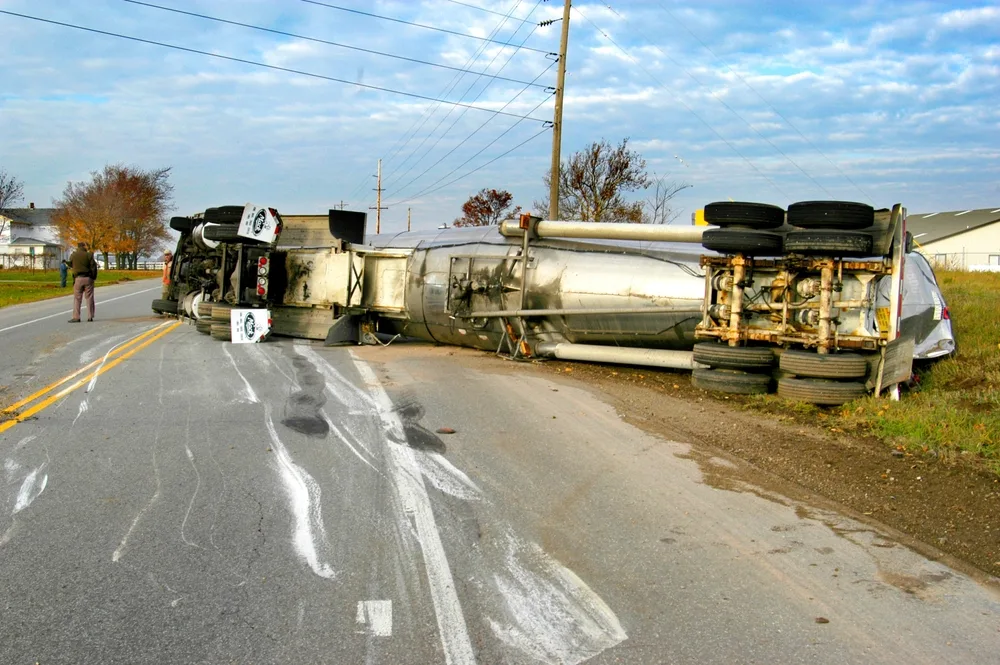
Many trucking companies label their drivers as independent contractors specifically to limit their legal exposure. It’s a common practice across the industry, and it does carry some legal weight. But it doesn’t automatically shield a company from responsibility when someone gets hurt.
What Courts Actually Look At
When a lawsuit arises from a truck accident, courts don’t just take a contract at face value. Judges and juries look at the real working relationship between the trucking company and the driver.
- Did the company tell the driver which routes to take?
- Did it require specific delivery windows or set the driver’s schedule?
- Did it provide or require the use of company equipment?
The more control a company exercised over how the driver did the job, the more likely a court will treat that driver as something closer to an employee for liability purposes. A label on a contract doesn’t override the practical reality of how the relationship worked day to day.
The Role of Federal Motor Carrier Regulations
Federal law adds another layer of complexity here. The Federal Motor Carrier Safety Administration (FMCSA) requires trucking companies, called motor carriers, to maintain safety standards for any driver operating under their authority. That authority comes in the form of a Department of Transportation (DOT) number, which is a federal registration that allows a company to operate commercial trucks on public roads.
When a driver uses a trucking company’s DOT number, the company takes on legal responsibility for that driver’s compliance with safety rules, regardless of whether the driver is an employee or a contractor. This principle has been upheld in courts across the country and remains one of the most powerful tools available to injury victims seeking justice.
How Does Vicarious Liability Apply to Trucking Cases?
Vicarious liability is a legal concept that means one party can be held responsible for the actions of another. In the employment context, an employer is generally responsible for harm caused by employees acting within the scope of their job.
With independent contractors, the rule has traditionally been different, but trucking cases often fall outside that traditional rule.
Vicarious Liability for a Trucking Company Using an Independent Contractor
Vicarious liability for a trucking company using an independent contractor can arise when the company exercises significant control over the driver’s work. If a company dictates the driver’s hours, cargo handling procedures, or communication protocols, courts may find that the company functioned as the driver’s employer in all but name.
Some states apply what’s called a non-delegable duty doctrine, which means certain responsibilities are so fundamental that a company cannot hand them off to a contractor and walk away from accountability. Safety on public roads is often treated as one of those duties.
The Borrowed Servant Doctrine
Another legal theory that sometimes applies in trucking cases is the borrowed servant doctrine. This doctrine addresses situations where a driver is technically employed by one company but is working under the direction and control of another at the time of a crash.
If a staffing agency or owner-operator lease arrangement placed a driver under a trucking company’s practical control during a run, the trucking company may bear liability as the driver’s temporary employer.
What Is Direct Negligence, and How Does It Differ from Vicarious Liability?
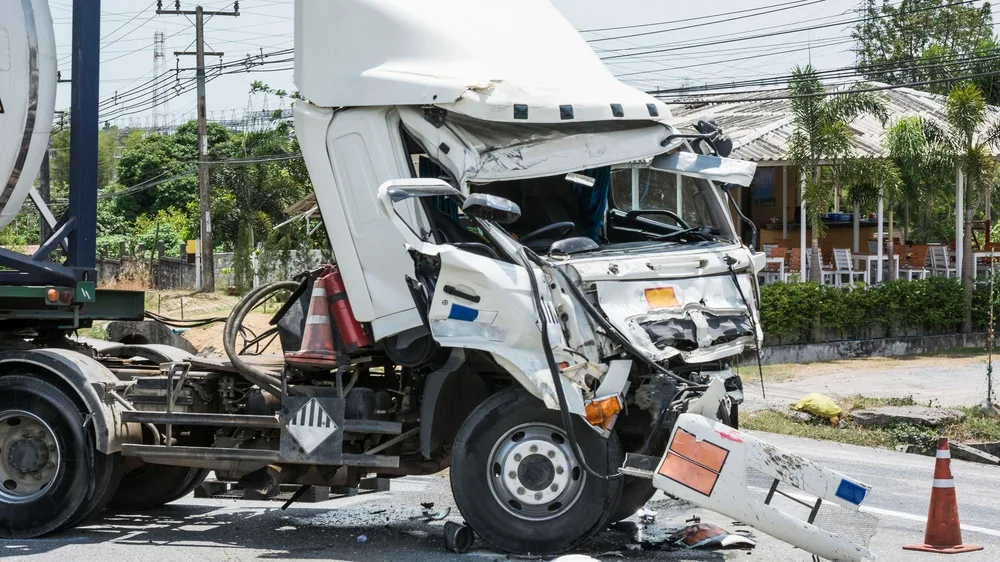
Even when vicarious liability doesn’t apply, a trucking company may still face legal responsibility through a theory called direct negligence. Direct negligence means the company itself did something wrong, separate from whatever the driver did. These are two distinct legal paths to holding a company accountable.
Negligent Hiring and Retention
A trucking company has a duty to screen the drivers who operate under its authority. If a company hired a driver with a history of serious traffic violations, substance abuse, or falsified qualifications, and that driver later caused a crash, the company may be liable for its own failure in the hiring process.
Negligent retention follows a similar logic. If a company knew about problems with a driver’s performance or safety record and kept that driver on anyway, the company’s decision to retain that driver becomes part of the legal picture.
Negligent Supervision and Entrustment
Employer liability for independent contractor truck drivers can also arise through negligent supervision. When a company fails to monitor driver hours, ignores signs of fatigue, or doesn’t enforce safety policies, those failures can independently establish the company’s liability.
Negligent entrustment applies when a company provides or allows access to a vehicle that the driver was not qualified or safe to operate. If the trucking company knew or should have known that a driver lacked the proper licensing or physical ability to operate the truck safely, entrusting that driver with the vehicle creates direct legal exposure.
Can Trucking Companies Be Sued for Contractor Driver Negligence?
Yes. Can trucking companies be sued for contractor driver negligence? Absolutely, and it happens more often than many people expect. The question is which legal theory, or combination of theories, applies to the specific facts of the case.
Building the Case Against a Trucking Company
Proving trucking company liability for an independent contractor driver requires evidence that goes beyond the accident scene itself. An attorney working on these cases typically examines:
- The driver’s personnel or contractor file
- The lease agreement or service contract between the driver and the company
- The company’s safety policies and training records
- Electronic logging device (ELD) data
- The company’s DOT compliance history
Each piece of evidence helps establish either the degree of control the company had over the driver or the ways in which the company fell short of its own safety obligations.
Where Do Dallas Truck Accidents Happen?
Dallas has several corridors and intersections where large commercial trucks travel in significant numbers. Interstate 35E through downtown Dallas sees heavy freight traffic year-round.
The interchanges near the Dallas Love Field area and along the LBJ Freeway (Interstate 635) are common sites for serious commercial vehicle crashes. The industrial zones near Stemmons Freeway and the cargo routes around DFW International Airport also generate substantial truck traffic.
If you or someone you love was hurt in a crash in any of these areas, the location details and traffic records from that corridor may become part of your case.
What Should You Do After a Truck Accident Involving a Contractor Driver?

Several steps may help protect your ability to pursue a claim:
- Keeping all medical records, discharge papers, and treatment summaries creates a detailed account of the physical harm you suffered.
- Saving any communications from the trucking company, its insurer, or any adjusters who contact you after the crash allows your attorney to review those exchanges carefully.
- Documenting how injuries have changed your daily life, your ability to work, and your relationships provides support for claims beyond just medical bills.
- Requesting a copy of the police or accident report as soon as it becomes available gives your attorney a starting point for the investigation.
- Reaching out to a skilled truck accident attorney promptly allows for the preservation of electronic data, black box records, and other time-sensitive evidence before it’s lost or deleted.
The period immediately following a truck crash matters enormously for any future legal claim. Evidence disappears quickly in commercial trucking cases. Companies have legal teams and adjusters who begin working on the case almost immediately after a crash. Having equally focused legal representation on your side levels the playing field.
How Does Texas Law Affect These Claims?
Texas follows a modified comparative fault rule. This means that if you are found partially at fault for a crash, your compensation may be reduced by your percentage of fault. As long as you are not found to be more than 50 percent at fault, you can still recover damages. This rule makes it especially valuable to have a legal team that can investigate thoroughly and present a clear picture of what actually caused the crash.
Statute of Limitations
Texas also has a two-year statute of limitations for personal injury and wrongful death claims, meaning the clock starts running on the date of the accident or the date of death. Missing that deadline typically means losing the right to file a claim altogether, so acting without delay matters.
Frequently Asked Questions About Independent Truck Driver Accident Claims
No. Simply labeling a driver as an independent contractor in a contract doesn’t automatically protect a trucking company from liability. Courts examine the actual working relationship and several other factors before reaching any conclusion about responsibility.
A trucking company’s duty to screen and monitor drivers means the company can face liability even without actual knowledge of specific problems. If a reasonable background check or regular safety review would have revealed concerning issues, the failure to conduct that review may itself be considered negligent.
Yes, it can matter significantly. If a driver deviated substantially from the assigned route for entirely personal reasons, a court may limit or eliminate the company’s vicarious liability for that portion of the trip. However, federal carrier responsibility under DOT regulations may still apply depending on the circumstances, and direct negligence theories remain available regardless of the driver’s path.
Compensation in a truck accident claim may include medical expenses, both past and future, lost wages and reduced earning capacity, pain and suffering, emotional distress, and wrongful death damages in cases involving a fatality. The specific compensation available depends on the facts of the case, the severity of injuries, and applicable Texas law.
The timeline varies widely based on the complexity of the case, the number of parties involved, and whether the matter settles or goes to trial. Some cases resolve within months through negotiated settlements. Others involving disputed liability or severe injuries may take two years or longer.
Crain Brogdon Is Here to Help You
At Crain Brogdon, we know how much is at stake when a truck crash changes the direction of your life. The physical pain, the financial pressure, the grief of losing someone you love — these are real burdens, and they deserve a real legal response. Our team is focused on holding trucking companies accountable, whether the driver was a company employee or an independent contractor.
If you or a family member suffered injuries or lost a loved one in a truck accident in Dallas or the surrounding area, we want to hear from you. The consultation is free, and you pay nothing unless we recover compensation for you. Call us today at (214) 522-9404 to speak with a skilled truck accident attorney at Crain Brogdon. You don’t have to face this alone.

Attorney Quentin Brogdon
Quentin Brogdon has over thirty years of experience and expertise in the field of personal injury trial law. He is board certified in both personal injury trial law and civil trial advocacy. Quentin has received an AV rating from Martindale-Hubbell, the highest possible rating. This rating reflects an attorney’s ethics and abilities according to reviews from fellow attorneys. [ Attorney Bio ]


Recent Comments