

- May 5, 2026
- Dog Bite
- Personal Injury
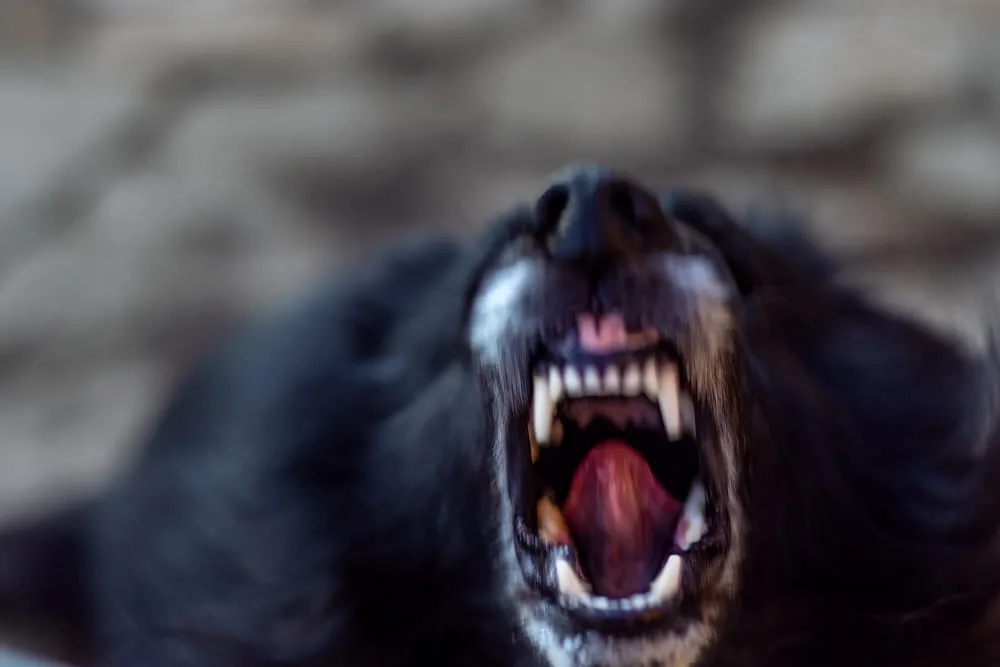
Quick Answer: Does the One-Bite Rule in Texas Protect Dog Owners?
The one-bite rule in Texas gives dog owners some legal protection, but only under specific conditions, and it does not guarantee they will escape liability.
- Texas follows a negligence-based approach, which means a dog owner may be liable if they knew or should have known their dog was dangerous.
- If a dog has bitten someone before, or shown aggressive behavior, the owner can no longer claim they had no warning.
- Texas law also allows injury claims based on negligence, even when the dog has no prior bite history.
A dog bite victim in Texas may have a valid legal claim regardless of whether the dog has bitten anyone before.
A dog bite can leave you or your child with serious injuries, mounting medical bills, and pain that lingers long after the wound heals. If someone else’s dog caused those injuries, you deserve to know where you stand legally.
Does the one-bite rule in Texas protect dog owners more than it protects victims? The answer might surprise you. Texas dog bite law is more nuanced than a simple yes or no, and the legal path forward depends on specific facts.
A Dallas dog bite attorney can review your situation at no cost and help you understand your options during a free consultation.
Key Takeaways: One-Bite Rule in Texas
- The one-bite rule in Texas does not automatically shield dog owners from liability; prior knowledge of aggression is the deciding factor.
- Texas allows dog bite victims to pursue claims under both negligence and the one-bite rule, which gives injured parties more than one legal avenue.
- Dog owners in Texas carry real legal responsibility when they knew or should have known their dog posed a risk to others.
- Documented evidence of a dog’s past behavior, including prior bites or aggressive acts, plays a significant role in the outcome of a claim.
- Dallas dog bite victims have legal rights that deserve serious attention, and speaking with an attorney early in the process can make a meaningful difference.
How Does the One-Bite Rule Work in Texas?
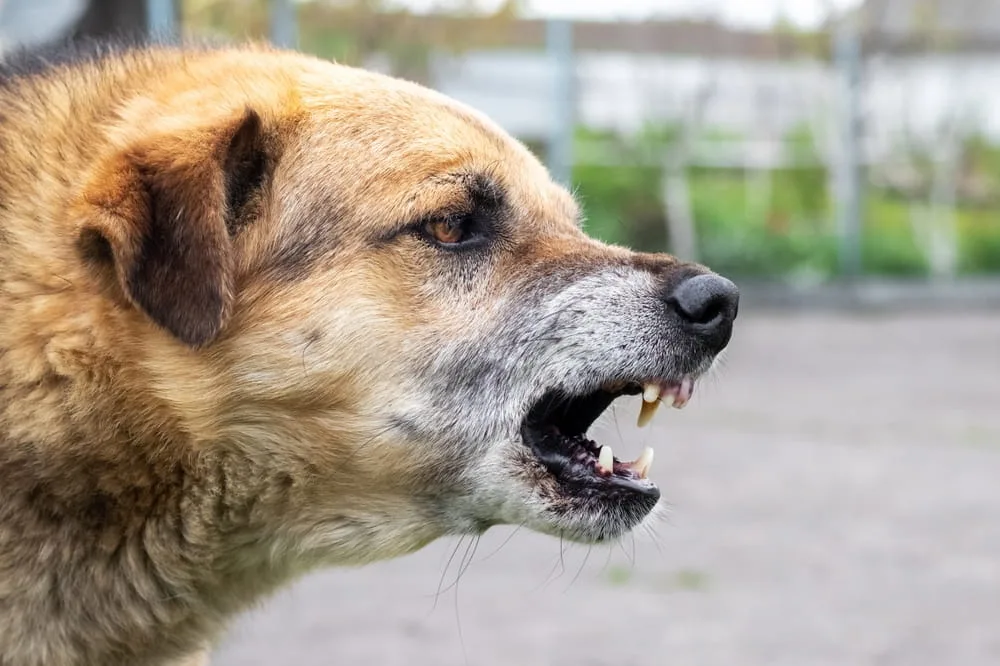
The one-bite rule is a legal doctrine that says a dog owner may not be liable for a bite if they had no reason to believe their dog was dangerous. The idea comes from old common law, and it still plays a role in Texas today. However, calling it the one-bite rule is a little misleading, because it’s really about knowledge, not counting bites.
What the One-Bite Rule Actually Means
Under Texas law, a dog owner can be held liable for a bite if the victim proves two things:
- The owner knew the dog had previously bitten someone or had acted aggressively
- The owner failed to take reasonable steps to prevent the injury
The one-bite rule gives a first-time biter’s owner a potential defense, but only if the owner had zero warning signs of dangerous behavior.
This matters because aggressive behavior doesn’t always mean a prior bite. A dog that lunges at people, growls without provocation, or has knocked someone down in a threatening way may already have put its owner on notice. Once that threshold is crossed, the owner can no longer claim ignorance.
Why the Rule Doesn’t Always Protect Dog Owners
Many people assume the one-bite rule means an owner gets a free pass the first time their dog bites someone. That’s not quite right. Texas courts look at the full picture of a dog’s behavior, not just whether there’s an official record of a previous bite. A neighbor’s complaint, a warning from a vet, or even a pattern of aggressive behavior around children can all count as notice.
If you or your child were bitten at a Dallas park, such as Klyde Warren Park, and the owner knew the dog had charged at people before, that owner likely had enough notice to be held responsible.
What Negligence Adds to a Texas Dog Bite Claim?
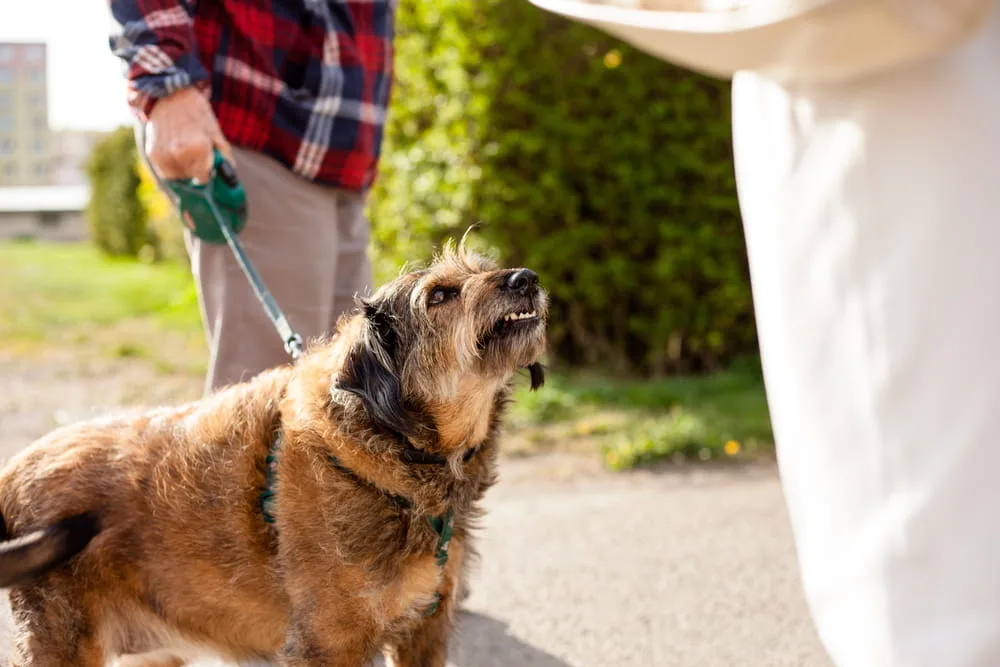
Negligence in a dog bite case means the owner failed to act with reasonable care, even if the dog had never bitten before. Letting a large, excitable dog run unleashed near a busy trail or allowing a dog with known erratic behavior to roam freely around children can support a negligence claim.
For example, if a dog knocked your child down and injured them at the Perot Museum area or near White Rock Lake, and the owner had no leash or control over the animal, that owner’s carelessness may form the basis of a claim even without a prior bite on record. Negligence gives victims a second path to compensation, and it’s one that Texas law fully supports.
What Evidence Matters Most?
In a Texas dog bite claim, evidence of the dog’s prior behavior carries significant weight. This includes:
- Testimony from neighbors or witnesses who saw the dog act aggressively before the bite occurred.
- Veterinary records that reflect aggressive behavior noted during exams or treatments.
- Animal control records, complaints filed with the city, or prior incident reports involving the dog.
- Photos and videos from the scene or from the owner’s social media that may show the dog’s behavior or the owner’s awareness.
- Medical records that document the severity and nature of the injuries caused by the bite.
Strong evidence shapes the entire trajectory of a claim. Gathering it early, before memories fade and records disappear, gives a case its best foundation.
How Is Dog Owner Responsibility Evaluated in Texas Injury Cases?
When evaluating dog owner responsibility in Texas injury cases, courts and juries weigh what the owner knew and what a reasonable person in their position would have done. Owning a dog comes with a duty of care to the public. That duty doesn’t vanish simply because the dog hasn’t bitten before.
Owners who house dogs behind broken fences, walk aggressive animals without proper restraint in crowded areas, or ignore warnings from others about the dog’s behavior may face serious liability exposure. The law expects dog owners to manage foreseeable risks, and a dog with known aggressive tendencies creates exactly that kind of foreseeable risk.
What Happens When a Child Is the Victim?
Children suffer dog bites at higher rates than adults, and the injuries are often more severe because of their smaller size. A bite to the face, neck, or hands of a child can cause lasting physical and emotional harm.
When a child is the victim, Texas law still applies the same liability standards, but the case carries additional considerations around the child’s age, the circumstances of the incident, and the long-term impact on the child’s life.
If your child was bitten while visiting a friend’s home, playing at a neighborhood playground in a Dallas suburb, or walking near a school in areas like Oak Cliff or Lake Highlands, the dog owner’s responsibility doesn’t shrink simply because the location felt familiar or safe.
What About Treating Dog Bite Injuries in Dallas?
Dog bites can cause deep tissue damage, nerve injury, infection, and scarring that requires ongoing care. Seeking prompt medical attention isn’t just good health advice; it also creates documentation that directly supports a legal claim.
Parkland Memorial Hospital and Children’s Medical Center Dallas both treat serious dog bite injuries, including those requiring surgery or reconstructive care. UT Southwestern Medical Center is another resource for more complex cases involving infection or significant tissue loss.
Medical records from these facilities become a key part of the record in any personal injury case.
What Steps May Help Strengthen a Dog Bite Claim in Texas?
Several practical steps may help support a dog bite claim after the incident.
- Keeping all medical records and bills creates a paper trail that reflects the full scope of the injuries.
- Saving receipts for related expenses, including travel to appointments, prescription costs, and any home care supplies, helps document economic losses.
- Writing down how the injuries affect daily life, including sleep, the ability to work, caring for children, and emotional wellbeing, can support claims for pain and suffering.
- Documenting the incident itself while details are still fresh, including what the dog looked like, what the owner said, and whether any witnesses were nearby.
- Taking photographs of the injuries as they heal over time also helps convey the real impact of a bite that may look minor in the beginning but causes lasting harm.
You should bring all of this information to an attorney to get a more complete picture of what the claim may be worth.
What Can I Expect in a Dallas Dog Bite Personal Injury Claim?

Dallas dog bite claims follow the general process of personal injury litigation in Texas, but with specific elements that reflect how dog bite law works in the state.
The statute of limitations in Texas gives victims two years from the date of the bite to file a lawsuit. Missing that deadline generally means losing the right to pursue compensation.
How the Claims Process Typically Unfolds
Most claims begin with an investigation that looks at the dog’s history, the circumstances of the bite, and the extent of the injuries. An attorney will often gather animal control records, speak with witnesses, and review medical documentation.
From there, a demand may be sent to the dog owner’s homeowner’s insurance company, which is the most common source of compensation in these cases.
If the insurance company disputes the claim or offers an inadequate settlement, litigation may follow. Most cases resolve before trial, but having an attorney who is fully prepared to take a case to court gives victims meaningful leverage during settlement talks.
What Compensation You May Recover
Compensation in a Texas dog bite case may cover:
- Medical expenses, both past and future
- Lost income
- Pain and suffering
- Emotional distress
- Scarring and disfigurement
For children, courts may also consider the long-term impact on quality of life and development. No amount of money erases what happened, but fair compensation gives victims and families the means to move forward.
Frequently Asked Questions About Texas Dog Bite Claims
A lack of prior bites doesn’t automatically end a Texas dog bite claim. If the owner was still negligent in how they managed or controlled the dog, a claim may still move forward. An attorney can review the full facts of the situation to identify which legal theories apply.
Location alone doesn’t determine liability. Whether a bite happened on the owner’s property or in a public space, the same legal standards apply. If the owner had reason to know the dog was dangerous and failed to take precautions, liability may still attach.
Texas follows a modified comparative fault rule. If you are found to share some responsibility for the incident, your compensation may be reduced by your percentage of fault. However, you can still recover damages as long as your share of fault is less than 51 percent.
Timelines vary depending on the complexity of the case, the severity of the injuries, and whether the claim settles or goes to litigation. Some cases resolve within several months, while others may take longer. Getting an attorney involved early generally helps avoid unnecessary delays.
Most standard homeowner’s insurance policies include liability coverage that applies to dog bite claims. However, some policies exclude certain breeds or dogs with a documented history of aggression. An attorney can help determine what coverage may be available and how to pursue it effectively.
Crain Brogdon LLP Can Help You
At Crain Brogdon, LLP, we understand what you and your family are going through after a dog bite. The physical pain, the emotional weight, and the financial pressure that come with serious injuries are real, and they deserve a real legal response. Our team is knowledgeable about Texas dog bite liability laws and has focused our practice on representing injury victims throughout the Dallas area with skill and genuine care.
We won’t promise outcomes we can’t deliver, but we will give your case the serious attention it deserves and fight for the compensation you need. Whether your case involves the one-bite rule, negligence, or both, we’re prepared to build the strongest possible claim on your behalf. If you or your child suffered injuries from a dog bite caused by someone else’s animal, contact Crain Brogdon, LLP today for a free consultation at (214) 522-9404. There’s no cost to speak with us, and there’s no obligation.

Attorney Quentin Brogdon
Quentin Brogdon has over thirty years of experience and expertise in the field of personal injury trial law. He is board certified in both personal injury trial law and civil trial advocacy. Quentin has received an AV rating from Martindale-Hubbell, the highest possible rating. This rating reflects an attorney’s ethics and abilities according to reviews from fellow attorneys. [ Attorney Bio ]



Recent Comments