

- October 2, 2024
- Boat Injury
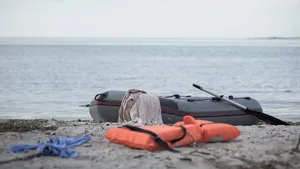
Texas waterways are popular destinations for recreational boating, including Lewisville Lake, Lake Ray Hubbard, Lake Texoma, and the Gulf Coast. While many Texans enjoy boating for fishing, leisure, and family outings, accidents can occur when collisions, equipment failures, or operator negligence result in serious injuries.
If you or a family member were injured in a boating accident, a boating accident attorney at Crain Brogdon, LLP can help you evaluate and pursue claims against potentially responsible parties. Our team handles boating injury cases involving both Texas and maritime law. Contact our Dallas office for a free consultation to review your options.
Key Takeaways About Boat Injury Claims in Texas
- Texas state law governs most recreational boating accidents, while federal maritime law may apply to incidents on navigable waters or involving commercial vessels.
- Multiple parties may share liability for a boating accident depending on the facts, including operators, boat owners, rental companies, and manufacturers of defective equipment.
- The Texas Water Safety Act establishes regulations for boat operation, and violations of these rules may serve as evidence of negligence.
- Filing deadlines differ depending on whether state personal injury law or federal maritime law applies to your claim.
- Boating under the influence carries criminal penalties and may strengthen civil liability claims against impaired operators.
Leading Causes of Boating Accidents on Texas Lakes and Coastal Waters

Understanding what leads to boating accidents helps establish negligence in injury claims. The Texas Parks and Wildlife Department tracks boating incidents statewide, and certain causes appear repeatedly in accident reports year after year. By identifying the specific factors that contributed to your accident, your boat injury attorney can build a stronger case for compensation.
Accident data often identifies operator behavior as a leading cause of boating accidents on Texas waters. Unlike driving on roads with clear lanes, traffic signals, and posted speed limits, boating requires operators to exercise independent judgment about safe speeds, distances, and navigation choices.
The following factors frequently contribute to collisions, ejections, and other harmful incidents:
- Operator inattention from distractions like conversations, phone use, or focusing on passengers rather than surrounding watercraft and obstacles
- Boating under the influence of alcohol or drugs, which remains illegal under Texas Penal Code Section 49.06 and impairs judgment, balance, and reaction time
- Excessive speed for conditions, particularly in crowded areas, near docks, or during reduced visibility from weather or darkness
- Inexperienced operators who lack proper training or familiarity with the specific watercraft they are controlling
- Failure to maintain proper lookout for swimmers, other boats, fixed objects, and submerged hazards
When operators violate safety rules or fail to exercise reasonable care, they may be held legally responsible for injuries that result from their conduct. Evidence of these violations strengthens injury claims and may support larger damage awards.
Texas Laws Governing Boating Safety and Liability
Texas regulates boating through the Water Safety Act in Chapter 31 of the Texas Parks and Wildlife Code. These statutes set requirements for boat operators and provide standards used to evaluate negligence in boating injury cases.
Key Provisions of the Texas Water Safety Act Affecting Injury Claims
The Water Safety Act sets rules for vessel operation and outlines duties after an accident. Section 31.094 prohibits reckless or negligent operation.
Section 31.096 forbids operating a vessel at unsafe speeds and requires operators to adjust speed based on conditions. Section 31.104 requires operators involved in accidents to stop, provide aid, and exchange identifying information.
The Act also includes safety requirements for children and inexperienced operators. Children under 13 must wear U.S. Coast Guard approved life jackets on vessels under 26 feet.
Operators born after September 1, 1993, must complete a boater education course to operate motorized vessels over 15 horsepower. Violating these rules may be used as evidence of negligence when injuries occur.
When Federal Maritime Law Applies to Texas Boating Accidents
Federal maritime law may apply to boating accidents on navigable waters or those involving traditional maritime activity. Navigable waters include areas used for interstate or foreign commerce, the Gulf of Mexico, and portions of major rivers and bays. The applicable law depends on where the accident occurred and the activity involved.
When maritime law applies, it differs from Texas law in ways that affect injury claims, including a general three-year statute of limitations rather than the two-year period under Texas law. Different damages rules may apply, and some cases fall under federal court jurisdiction.
A boat injury attorney examines the facts of a case to determine whether state or federal law applies and proceeds under the appropriate legal framework.
Who Can Be Held Liable for a Texas Boating Accident
Identifying all responsible parties strengthens your injury claim and increases potential sources of compensation. Unlike car accidents where liability typically focuses on one or two drivers, boating accidents may involve multiple individuals and entities who share responsibility depending on the circumstances.
A thorough investigation by your boat injury attorney reveals all parties whose negligence contributed to your injuries. Several categories of defendants commonly appear in boat injury lawsuits filed in Texas:
- Boat operators who drove negligently, recklessly, or while impaired by alcohol or drugs
- Boat owners who allowed unqualified or intoxicated individuals to operate their vessels under negligent entrustment principles
- Rental companies and marinas that failed to properly maintain boats or rented watercraft to inexperienced operators without adequate safety instruction
- Manufacturers of boats or marine equipment when defective design or manufacturing caused or contributed to the accident
- Other boaters whose actions on the water created dangerous conditions leading to collisions or injuries
Proving liability requires demonstrating that the defendant owed you a duty of care, breached that duty through negligent conduct, and directly caused your injuries through that breach. Each potentially liable party must be evaluated separately, and evidence must support claims against each defendant you pursue.
Types of Injuries from Texas Boating Accidents

The human body has no protection against the forces involved in boating collisions, ejections, and propeller strikes. Unlike automobiles, boats lack seatbelts, airbags, and crumple zones designed to protect occupants during crashes.
Water impact at speed produces severe trauma comparable to striking concrete, while drowning and near-drowning events cause additional harm even when victims survive the initial incident.
Boating accidents frequently produce the following categories of injuries:
- Traumatic brain injuries from impacts with boat surfaces, docks, other vessels, or underwater objects
- Spinal cord damage resulting in partial or complete paralysis affecting mobility and bodily functions
- Drowning and near-drowning injuries causing oxygen deprivation to the brain and other organs
- Propeller strike injuries causing severe lacerations, amputations, and permanent disfigurement
- Broken bones, internal organ damage, and soft tissue injuries from collisions and falls
These injuries often require emergency treatment, surgery, prolonged hospitalization, and extended rehabilitation. Recovery may involve care from neurologists, orthopedic surgeons, physical therapists, and occupational therapists. Some victims are left with permanent disabilities that limit work, self care, and daily activities.
Boating injuries are often more serious than they first appear, as shock and adrenaline can hide symptoms. Prompt medical evaluation after an accident protects your health and creates records needed to document your injuries.
Compensation Available in Texas Boat Accident Injury Claims
Successful boat injury claims may result in compensation for various categories of losses. Texas law, and in some cases federal maritime law, allows recovery for economic damages with documented financial values and non-economic damages addressing quality of life impacts.
Understanding the full range of available damages helps ensure your claim accounts for everything you have lost and will continue to lose because of the accident. Economic damages compensate for financial losses with documented values. These damages may include:
- Medical expenses for emergency care, hospitalization, surgery, rehabilitation, and future treatment needs
- Anticipated costs for ongoing care, future surgeries, prescription medications, and medical equipment
- Lost wages covering income missed during recovery from your injuries
- Lost earning capacity addressing permanent impacts on your ability to work throughout your remaining career
- Property damage for repairs to or replacement of boats, personal watercraft, and belongings destroyed in the accident
Non-economic damages compensate for pain and suffering, mental anguish, physical impairment, disfigurement, and loss of enjoyment of life. These damages account for the personal impact of an injury that cannot be measured by bills or invoices, such as chronic pain or the loss of daily activities and hobbies.
In cases involving gross negligence or willful misconduct, including operating a boat while intoxicated, Texas law may allow exemplary damages. These damages punish the wrongdoer and discourage similar conduct on Texas waterways.
How a Texas Boat Injury Attorney Helps After a Boating Accident
Boating accident claims raise issues not commonly seen in car crash cases. Jurisdiction can depend on where the incident occurred and the type of waterway involved. Multiple insurance policies may apply, each with different limits and exclusions.
Evidence may sink, drift away, or deteriorate before it can be collected. Witnesses are often difficult to locate, and vessel damage can be harder to document than damage to vehicles on land.
A Texas boat injury attorney understands how to address these factors, identify responsible parties, and pursue appropriate compensation under applicable law. Without experienced representation, injured individuals may miss deadlines, overlook coverage, or accept settlements that do not account for long-term needs.
Thorough Investigation of Texas Boating Accidents
Crain Brogdon LLP conducts detailed investigations in every boat injury case. Acting quickly allows our legal team to obtain accident reports from Texas Parks and Wildlife, interview witnesses, review vessel maintenance and safety records, and consult marine reconstruction experts when necessary.
We also evaluate weather conditions, water traffic patterns, and compliance with boating laws. This approach supports the development of evidence related to negligence and liability.
Maximizing Compensation in Texas Boating Injury Cases
Boating accidents frequently result in serious injuries requiring ongoing medical treatment. Victims may experience extended hospital stays, surgical procedures, and long-term rehabilitation. Some injuries limit the ability to return to work or participate in daily activities.
Our attorneys evaluate damages such as current and future medical expenses, lost income, reduced earning capacity, pain and suffering, and loss of enjoyment of life. With more than $355 million recovered for injury victims across Texas, Crain Brogdon LLP has the resources to advance case costs, work with qualified experts, and take cases to trial when insurers refuse reasonable settlement offers.
FAQs About Hiring a Boat Injury Attorney
How long do I have to file a boat injury lawsuit in Texas?
Most Texas boating injury claims are subject to a two year statute of limitations under Texas Civil Practice and Remedies Code Section 16.003. Claims governed by federal maritime law generally allow three years from the date of injury. The deadline depends on where the accident occurred and which law applies. Missing the deadline usually bars recovery. Prompt legal review helps preserve your claim.
What if I was partially at fault for the boating accident?
Texas applies a modified comparative fault rule under Chapter 33 of the Texas Civil Practice and Remedies Code. You may recover damages if you are 50 percent or less at fault, with compensation reduced by your share of responsibility. Insurers often dispute fault, making legal representation helpful when liability is contested.
Does boat owner insurance cover passenger injuries?
Many boat insurance policies provide liability coverage for passenger injuries, but coverage terms and limits vary. Some policies exclude activities such as towing sports or require specific safety equipment. Coverage may be insufficient for severe injuries. An attorney reviews all available policies, including those held by owners, rental companies, and other liable parties.
What makes boating accident cases different from car accident cases?
Boating cases raise jurisdictional issues, involve maritime regulations, and present different evidence challenges. Accidents may occur offshore with limited witnesses, delayed response times, or lost vessels. State and federal law may both apply, and weather and water conditions often play a role.
Who investigates boating accidents in Texas?
Texas Parks and Wildlife game wardens and Marine Safety Enforcement Officers investigate accidents on state waters. The U.S. Coast Guard may investigate incidents on federal waters or involving commercial vessels. Their reports document conditions, witness statements, and preliminary findings that are often used in injury claims.
Contact a Texas Boat Accident Attorney Today

A boating accident can leave you with medical expenses, lost income, and lasting physical limitations while you try to navigate an unfamiliar legal process. Insurance companies for boat owners, rental companies, and other parties focus on limiting their financial exposure, not on your interests.
A boat injury attorney represents you in communications with insurers, collects evidence, evaluates damages, and negotiates for appropriate compensation. If a fair resolution is not offered, your attorney prepares the case for trial and presents it to a jury.
Crain Brogdon LLP works on a contingency fee basis, so there are no upfront costs and attorney fees are paid only if compensation is recovered. Contact our Dallas office for a free consultation and discuss your boating injury claim.

Attorney Quentin Brogdon
Quentin Brogdon has over thirty years of experience and expertise in the field of personal injury trial law. He is board certified in both personal injury trial law and civil trial advocacy. Quentin has received an AV rating from Martindale-Hubbell, the highest possible rating. This rating reflects an attorney’s ethics and abilities according to reviews from fellow attorneys. [ Attorney Bio ]


Recent Comments