

- January 23, 2026
- Car Accident
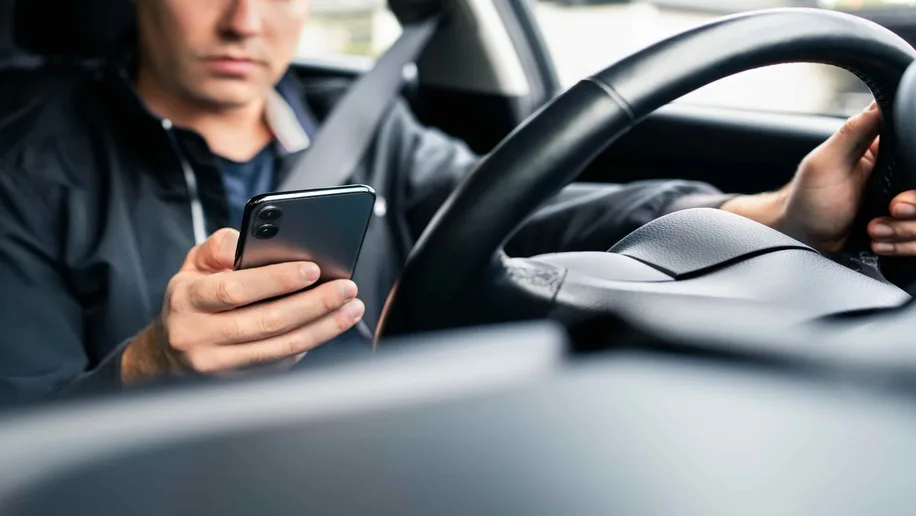
In Dallas, you have the right to pursue compensation from the at-fault driver for all your damages resulting from the accident. However, having rights on paper and getting fair compensation are two completely different things.
A successful distracted driving accident claim depends on your ability to prove negligence. This means that you must demonstrate that the driver allowed visual, manual, or cognitive distractions to override their control of the vehicle. Under Texas’s fault-based system, victims of catastrophic injuries must aggressively preserve digital evidence to overcome the hands-free defense and secure compensation for life-altering damages.
The challenge here is actually accessing this evidence. Drivers routinely delete logs, claim they were only using a navigation app, or hide behind insufficient personal insurance policies that cannot cover the millions required for a traumatic brain injury (TBI) or spinal cord care.
With the right legal team on your side, there is a path to financial stability. Through forensic investigation of cell tower data, infotainment systems, and in some cases, employer liability, we will work to expose the truth of the distraction. This allows us to identify deeper sources of recovery to fund your long-term needs.
If you have questions about a recent crash involving a distracted driver in Dallas, contact an experienced car accident lawyer at Crain Brogdon LLP. We offer a free consultation, and there is no obligation to work with us.
Key Takeaways for Dallas Distracted Driving Accident Claims
- Digital evidence is essential to prove negligence. Phone records, vehicle black box data, and infotainment system logs can overcome a driver’s denial that they were distracted.
- Hands-free is not a legal defense against negligence. A driver might still be held liable for a crash if they were cognitively distracted, even if they were not physically holding a device.
- Identifying all liable parties is necessary for full compensation. When a commercial driver is at fault, their employer may also be held responsible, providing access to larger insurance policies needed for catastrophic injuries.
Proving Distraction: The Forensic Investigation

Most at-fault drivers will never admit upfront that they were on their phone. Police reports, while useful, frequently fail to capture distraction unless the driver does admit it or an independent witness saw them looking down.
This is why a civil investigation must go further, because a driver’s denial is not the end of the story. Negligence must be scientifically proven, and for that, we move beyond initial statements to hard evidence.
Sources of Digital Evidence
- Electronic Control Modules (ECMs): Also called the vehicle’s black box, the ECM records critical data in the seconds before and after a collision. It tracks braking, acceleration, speed, and steering inputs. A lack of braking or evasive steering maneuvers before impact typically indicates the driver never saw the hazard in front of them—a tell-tale sign of distraction.
- Cell Phone Forensics: This goes much deeper than call logs or sent text messages. Our investigators look for data transfer timestamps. Was a social media app refreshing in the background? Was a text being typed, even if it was never sent? Was the phone unlocked and active at the moment of impact? This data may paint a clear picture of the driver’s actions.
- Infotainment Systems: Modern vehicles are rolling computers. Their infotainment systems commonly sync with the driver’s phone, creating a secondary log of activity. The car itself may record when a text message was received, opened on the dashboard screen, or when a call was initiated, providing another layer of evidence to corroborate phone records.
However, this evidence disappears quickly. Cell phone carriers overwrite data, and vehicles may be repaired or sold, destroying the information stored in the ECM. For this reason, send preservation letters immediately to the at-fault driver and their insurance carrier, legally demanding they do not wipe or destroy any potential evidence.
Taking prompt action is a key step in building a strong case for distracted driving accidents in Dallas.
Texas Law, Negligence, and the Hands-Free Gray Area
Many people believe that if they weren’t holding their phone, they cannot be held responsible. This is a misunderstanding of how Texas law works in a civil injury claim.
While Texas Transportation Code § 545.4251 specifically bans reading, writing, or sending electronic messages while a vehicle is in motion, the absence of a criminal citation does not shield a driver from civil liability.
In a personal injury case, the standard is not whether the driver broke a specific texting law, but whether they were negligent. Negligence is a legal concept that means a person failed to use the reasonable care that an ordinary person would have in the same situation. A legal hands-free activity could still be a negligent one.
Imagine a driver engaged in a heated, emotional conversation on a hands-free device. Their hands are on the wheel and their eyes are on the road, but their mind—their cognitive function—is completely diverted from the task of driving. This is known as cognitive distraction, and it might be just as dangerous as texting.
In the past, we have successfully argued that other legal distractions, such as programming a complicated GPS, eating a meal, or dealing with an unruly passenger, constitute a failure to exercise reasonable care and are therefore acts of negligence.
Never assume that the absence of a police ticket for texting means your civil case is invalid. We analyze the specific behavior that caused the crash to build a compelling argument for negligence.
Calculating Damages for Catastrophic Injuries
One of the harshest realities for victims of severe accidents is discovering how little insurance some at-fault drivers carry. A standard auto policy in Texas is only required to have $30,000 in liability coverage per injured person, up to a total of $60,000 per accident. This is also called 30/60/25 coverage.
A single week in a Dallas trauma center could burn through these minimum limits, let alone a lifetime of necessary care. Insurance adjusters know this; they may attempt to settle a claim quickly for the policy limit, presenting it as a fast, easy way to get you the money you need. However, once you sign that release, you forfeit your right to ever ask for more money, even if medical complications flare up years down the road.
A true and fair calculation of damages must account for the future. We work with a network of medical economists, vocational rehabilitation experts, and life care planners to project the true cost of a life-altering injury. This goes far beyond the initial hospital bills.
What Does Full Compensation Look Like?
- Economic Damages: This is a calculation of all the financial losses tied to the injury. It includes future lost wages if you are unable to return to your career, the cost of 24-hour nursing or attendant care, the replacement of prosthetic limbs over a lifetime, ongoing physical and occupational therapy, and modifications to your home and vehicle.
- Non-Economic Damages: This category assigns a value to the human cost of the injury. It addresses physical pain and suffering, mental anguish, permanent disfigurement or scarring, and the loss of enjoyment of life—the inability to participate in hobbies, activities, and relationships that once brought you joy.
Commercial Drivers and Vicarious Liability
Was the distracted driver on the clock when the crash happened?
The answer to this question could fundamentally change the trajectory of your case. If the driver was performing work duties for a company—whether they were a delivery driver, a salesperson, a long-haul trucker, or even a rideshare driver—their employer may also be liable for your injuries. This legal principle is known as respondeat superior, which is a Latin term meaning “let the master answer.”
The stakes are higher for commercial drivers. The Federal Motor Carrier Safety Administration (FMCSA) has stricter rules for those operating commercial vehicles. These regulations prohibit holding a phone and restrict use to a single touch or voice command. Violations may result in steep fines for both the driver and their employer.
Our investigation in these cases extends to the company’s own conduct. Did the company’s policies pressure the driver to answer calls while on the road? Did they fail to provide adequate training on safety protocols? This might sometimes reveal a pattern of systemic negligence, where the company’s culture prioritized profits over safety.
Identifying a corporate defendant is commonly necessary to ensure you are fully compensated for catastrophic damages. Commercial insurance policies have significantly higher limits than personal auto policies, providing a source of recovery that can meet the immense financial needs of a lifelong injury.
Strategic Steps to Take From Home

You should be aware that the other driver’s insurance carrier and their legal team may be monitoring your situation. You need to protect the integrity of your claim while you focus on your physical recovery.
Here are a few steps to consider from the quiet of your own home:
- Maintain Silence on Social Media. Defense attorneys and insurance investigators frequently scour social media profiles. Do not post photos, status updates, or any comments about the accident, your injuries, or your recovery. A photo of you smiling at a family gathering could be misinterpreted and used to argue that your injuries are not as severe as you claim.
- Keep a Personal Journal. Document your daily life. What is your pain level? What activities are you unable to do? How are your injuries affecting your family and your mental health? This detailed, personal account may become a powerful tool for demonstrating the day-to-day reality of your suffering.
- Redirect all Insurance Communication. Do not give a recorded statement to the other driver’s insurance adjuster from your living room. They may ask leading questions designed to get you to inadvertently accept some blame or downplay your injuries. Direct all communication from any insurance company to your legal counsel.
Frequently Asked Questions About Distracted Driving Accidents in Dallas
Can I sue if the driver was eating or putting on makeup, not texting?
Yes. As mentioned earlier, Texas civil law requires drivers to exercise reasonable care. The key question is whether an activity negligently diverted the driver’s attention from the road. Any action that causes a driver to fail in this duty may be grounds for a negligence claim, even if there isn’t a specific law that bans that exact behavior.
What if I was partially at fault for the accident?
Texas follows a modified comparative negligence rule, also known as the 51% bar rule. This means that as long as you are determined to be 50% or less at fault for the crash, you may still recover damages. However, your final compensation will be reduced by your percentage of fault. If a jury finds you 51% or more responsible, you are barred from recovering anything.
How does the new Senate Bill 43 affect my case?
As of late 2025, SB 43 expands the ban on holding electronic devices to include active school and construction zones. If your accident happened in one of these designated areas, the other driver’s violation of this statute may be used to establish negligence per se. This is a legal doctrine that may streamline the process of proving fault by showing the person broke a safety law designed to prevent the very type of harm that occurred.
The other driver’s insurance company is offering to pay my medical bills now. Should I accept?
No, do not accept any payment or sign any documents without legal advice. Accepting an initial check almost always requires you to sign a release form. This document legally prevents you from seeking any future compensation, even if your medical condition worsens. In cases involving catastrophic injuries, the full extent of your medical and financial needs may not be known for many months or even years.
How long do I have to file a claim in Texas?
Generally, the statute of limitations for filing a personal injury lawsuit in Texas is two years from the date of the crash. However, the window for gathering essential evidence is much, much shorter. Digital data like cell phone records and dashcam footage is frequently overwritten or deleted within days or weeks. For this reason, we advise an immediate and thorough investigation.
You Shouldn’t Have to Pay For Someone Else’s Negligence
We know you are facing a future that may now be defined by medical appointments, rehabilitation sessions, and financial uncertainty. It is normal to feel that the situation is unmanageable, but you do not have to accept financial ruin because of someone else’s negligence.
Insurance companies and corporate defendants rely on your hesitation. They operate in a system where they profit when you accept less than you need to secure your future.
Let us handle the legal process so you can focus on what matters most: healing. Call Crain Brogdon LLP today to begin a comprehensive investigation into your case. We are ready to help you rebuild.

Attorney Quentin Brogdon
Quentin Brogdon has over thirty years of experience and expertise in the field of personal injury trial law. He is board certified in both personal injury trial law and civil trial advocacy. Quentin has received an AV rating from Martindale-Hubbell, the highest possible rating. This rating reflects an attorney’s ethics and abilities according to reviews from fellow attorneys. [ Attorney Bio ]


Recent Comments