

- September 9, 2026
- Brain Injury
Building a successful mild traumatic brain injury claim requires overcoming aggressive insurance tactics that minimize concussions as simple, temporary bumps on the head.
When a severe vehicle collision, a falling object at a commercial site, or a sudden fall in Texas causes neurological damage, insurance adjusters quickly seize on the word mild in medical charts, even in catastrophic injury claims involving far more than a simple concussion.
Adjusters attempt to pay small settlements before the true extent of cognitive fatigue, memory loss, and emotional changes becomes clear.
Contacting a Texas brain injury attorney for a free case review ensures that your family receives honest guidance on holding corporate insurance carriers answerable for long-term harm.
Key Takeaways: Mild TBI Claims in TX
- The medical classification mild refers only to initial emergency room stabilization, not the long-term severity of neurological symptoms.
- Standard CT scans and basic MRIs miss microscopic nerve damage, allowing insurance adjusters to claim an injured person is uninjured.
- Diffusion tensor imaging and comprehensive neuropsychological evaluations provide concrete objective proof of cellular brain damage.
- Insurance companies routinely argue that post-concussion symptoms stem from pre-existing anxiety, stress, or age-related degeneration.
- Documenting daily cognitive struggles, employment changes, and testimony from family members establishes the genuine human impact of a brain injury.
Is a concussion a traumatic brain injury?
Yes, a concussion is a form of traumatic brain injury that doctors officially classify as a mild traumatic brain injury.
A concussion occurs when sudden violent movement causes the brain to strike the inside of the skull, disrupting normal cellular function.
Emergency room doctors use the word mild to describe initial survival odds, not the severity of ongoing cognitive or physical symptoms.
Mild brain injuries frequently cause lasting memory loss, emotional changes, and chronic headaches that require specialized neurological care.
Patients diagnosed with concussions often require long-term medical evaluation despite receiving initial hospital discharge papers labeling the injury as minor.
Why Do Texas Insurance Companies Dismiss Concussions as Minor Injuries?
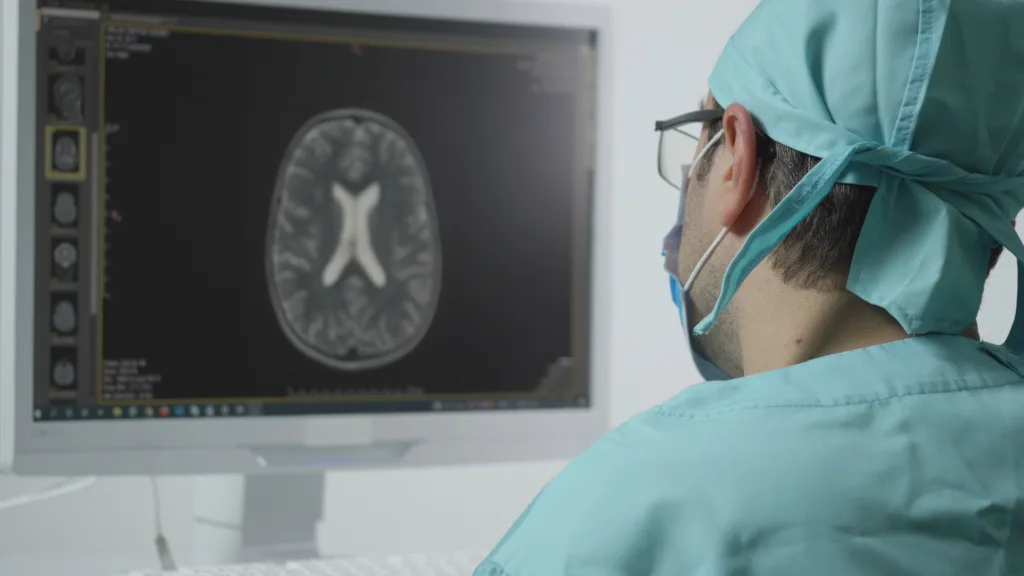
Insurance adjusters exploit medical terminology to argue that concussions resolve completely within a few weeks without leaving permanent neurological deficits. When emergency room physicians evaluate an acute head injury, they assign a medical grade based on the Glasgow Coma Scale.
A classification of mild simply means the patient did not experience prolonged loss of consciousness or immediate life-threatening skull fractures. Understanding how insurers weaponize medical terms helps injured individuals fight back against unfair claim denials.
Exploiting Emergency Room Terminology
Adjusters read ER discharge papers and claim that a diagnosis of mild concussion proves an injury is insignificant. ER doctors focus strictly on stabilizing life-threatening emergencies, clearing spinal columns, and ruling out active brain bleeding. They do not evaluate whether an injured worker can handle complex job duties three months later.
Insurance representatives use this initial triage language to justify denying coverage for specialized follow-up care.
Minimizing Persistent Cognitive Deficits
Corporate claims handlers regularly argue that headaches, light sensitivity, and irritability should disappear within fourteen days. While many minor concussions heal quickly, a significant percentage of patients develop long-term post-concussion syndrome.
Insurers ignore this clinical reality, labeling lingering symptoms as exaggerated or untruthful to protect corporate profit margins.
Distinguishing Concussions from Severe Traumatic Brain Injuries
A concussion vs traumatic brain injury claim often centers on explaining the spectrum of neurological damage to a jury. While severe TBIs involve clear physical tearing of brain tissue or visible bleeding on basic X-rays, mild TBIs involve microscopic cellular damage, a distinction that also shapes how spinal cord injuries are evaluated when both conditions occur together.
Both conditions disrupt normal electrical signaling in the brain, causing real, life-altering functional losses.
How Do Normal Scans Hide Microscopic Brain Damage?
Standard hospital CT scans and basic MRI machines lack the resolution required to detect microscopic nerve fiber tearing across brain tissue. Emergency rooms use CT scans primarily to detect structural emergency hazards like skull fractures and large blood clots.
Having a normal MRI but still being injured is extremely common in mild TBI cases because standard imaging cannot see damaged cellular structures.
Understanding Diffuse Axonal Shearing
During a high-impact crash, the head whips violently back and forth, causing the soft tissue of the brain to slide across the rough bone structures inside the skull. This sudden movement stretches and tears delicate nerve fibers called axons, disrupting the brain’s internal communication network.
Because these torn axons are microscopic, standard imaging scans pass right through them without showing abnormal structural changes.
Utilizing Advanced Neuroimaging Technology
Proving microscopic tissue damage requires specialized neuroimaging techniques beyond basic hospital equipment. Medical specialists utilize advanced diagnostic tools to document hidden brain harm:
- Diffusion Tensor Imaging: A specialized MRI technique that maps the movement of water molecules along nerve pathways to reveal torn axon tracts.
- Functional MRI: An imaging scan that measures real-time blood flow changes in the brain while the patient completes specific memory and language tasks.
- Positron Emission Tomography: A nuclear imaging scan that shows how brain tissue metabolizes glucose, highlighting areas with reduced metabolic function.
- Neuropsychological Testing: Multi-hour cognitive evaluations conducted by specialized psychologists to measure precise deficits in memory, focus, and processing speed.
Connecting Objective Scans to Daily Symptoms
Combining advanced DTI scans with formal neuropsychological test scores creates an unassailable wall of objective evidence. These diagnostic tools show clear physiological disruptions in the exact brain regions responsible for the patient’s specific symptoms.
Presenting this objective proof prevents insurance lawyers from claiming the injury exists only in the patient’s mind.
Why Does an Insurance Company Deny a Brain Injury Claim?
An insurance company denying a brain injury claim typically relies on alternative explanations to attribute neurological symptoms to pre-existing personal issues. Corporate defense teams examine years of past medical records, school transcripts, and employment files searching for any prior health concern. They use these past records to create doubt about what caused the patient’s current cognitive difficulties.
Blaming Pre-Existing Emotional or Physical Conditions
Defense lawyers routinely argue that lingering headaches and mood changes stem from pre-existing depression, workplace stress, or age-related changes. If an injured person ever reported a migraine or sought therapy years before the crash, the insurer claims the crash caused no new injury.
Overcoming this defense requires showing a clear, marked change in the person’s functional abilities before and after the event.
Exploiting Gaps in Initial Medical Treatment
When an injured person postpones visiting a doctor because they hoped their headache would pass, insurance companies claim the delay proves the injury never happened. Adjusters argue that a genuine brain injury would prompt immediate emergency care.
Clear medical testimony explains that TBI symptoms often evolve slowly over several days as localized brain inflammation expands.
Challenging Subjective Symptom Reports
Insurers claim that symptoms like brain fog, fatigue, and noise sensitivity are purely subjective reports that cannot be verified. They hire defense medical reviewers who conduct brief, one-time evaluations to declare the patient completely healed.
Countering these hired defense opinions requires presenting consistent medical logs, treatment notes, and testimony from treating physicians who know the patient well.
How Is a Mild TBI Formally Proven Under Texas Law?
Successfully proving a mild TBI in Texas requires building a comprehensive evidentiary narrative that connects the physical mechanics of the crash directly to measurable cognitive losses.
Texas civil courts require injured plaintiffs to prove that the defendant’s negligence directly caused their specific injuries. Establishing this legal causation demands combining expert medical testimony, corporate safety records, and personal family accounts.
Gathering Baseline Medical and Employment Proof
Proving a sudden decline in mental performance requires establishing a clear baseline of how the person functioned prior to the injury. Attorneys collect pre-injury employment reviews, academic records, complex work projects, and personal records demonstrating high cognitive function.
Comparing these pre-crash achievements against post-injury work performance evaluations proves a clear loss of mental capacity.
Presenting Family and Co-Worker Observations
Family members, friends, and workplace colleagues provide compelling testimony regarding visible behavioral and personality changes. While an injured person might attempt to mask cognitive struggles during a brief doctor visit, loved ones see the daily reality:
- Personality Shifts: Uncharacteristic emotional outbursts, sudden irritability, or deep apathy toward loved ones.
- Memory Failures: Forgetting routine household tasks, misplacing common items, or repeating questions during normal conversation.
- Executive Function Loss: Inability to balance a bank account, follow multi-step cooking recipes, or manage daily schedules.
- Sensory Overload: Severe physical distress and confusion when entering crowded, brightly lit, or noisy public spaces.
Calculating Total Lifetime Financial Impact
A mild TBI often limits a person’s ability to maintain high-stress, technical, or complex employment positions. Vocational specialists and economic experts calculate the precise difference between what the person would have earned over a full career versus their reduced earning capacity post-injury.
Factoring in ongoing cognitive therapy, specialized medications, and lost career advancement ensures that financial recovery models reflect true lifetime losses.
Why Is an Attorney Essential to Handle a Brain Injury Claim?

An attorney is essential to handle a brain injury claim because proving invisible, microscopic neurological damage requires securing advanced neuroimaging, coordinating medical experts, and countering aggressive insurance tactics designed to minimize concussions as minor injuries. This is the core focus of our Dallas brain injury practice.
Having dedicated legal representation protects your claim from unfair denial:
- Securing Advanced Diagnostics: Attorneys partner with specialists to obtain Diffusion Tensor Imaging (DTI) and comprehensive neuropsychological testing that provide objective proof of cellular brain damage.
- Proving Economic Impact: Legal teams work with vocational and financial experts to calculate lifetime lost earning capacity when cognitive fatigue or memory loss limits career growth.
- Shielding You from Insurer Tactics: Counsel manages all communications with claims adjusters, preventing recorded statements from being twisted to claim symptoms are exaggerated or pre-existing.
Building a Courtroom-Ready Case
Insurance carriers evaluate risk based on trial readiness. When an insurer sees that your attorney is fully prepared to present complex neurological evidence and expert testimony directly to a jury, they are forced to negotiate in good faith rather than offering inadequate, low-ball settlements.
Frequently Asked Questions About Mild Brain Injury Claims in TX
How long do symptoms of a mild traumatic brain injury usually last?
While many individuals recover from a basic concussion within a few weeks, approximately fifteen to thirty percent of patients experience symptoms that persist for months or years. When symptoms like headaches, dizziness, and memory loss continue beyond three months, medical professionals diagnose post-concussion syndrome.
Persistent symptoms often require ongoing neurological rehabilitation, cognitive therapy, and specialized medical care.
Can I file a brain injury claim if I never lost consciousness during the accident?
You can file a valid brain injury claim even if you remained fully conscious throughout the entire incident. Medical research confirms that violent whipping movements of the head cause severe axon shearing without causing a complete loss of consciousness.
Courts and medical professionals recognize that lack of loss of consciousness does not rule out permanent neurological damage.
What if the insurance adjuster claims my brain injury symptoms are just anxiety or depression?
Insurance adjusters regularly claim that cognitive fatigue and emotional changes stem from pre-existing or post-accident mental health issues rather than physical brain damage. Attorneys counter this argument by presenting advanced neuroimaging scans and neuropsychological test scores that demonstrate clear physical damage to brain tissue.
Specialized medical experts explain to the court how physical disruptions in specific brain regions directly trigger mood and memory changes.
How much does it cost to hire a lawyer for a mild traumatic brain injury case?
Law firms like Crain Brogdon, LLP handle catastrophic personal injury and brain harm claims on a contingency fee basis, meaning you pay zero upfront costs or out-of-pocket legal fees. Our law firm advances all funds necessary to hire medical specialists, perform advanced DTI scans, and prepare your case for trial.
We receive legal fees only if we successfully secure a financial recovery for your family through a negotiated settlement or courtroom verdict.
How soon should I seek medical evaluation if I suspect a brain injury after a crash?
You should seek a comprehensive medical evaluation immediately following any incident involving a blow to the head or violent whipping motion of the neck. Early medical evaluation ensures that physicians rule out life-threatening bleeding and establish an immediate diagnostic baseline in your medical records.
Prompt medical care also prevents insurance companies from arguing that your neurological symptoms resulted from an unrelated event.
Contact Crain Brogdon, LLP Today for Answers and Dedicated Advocacy
Sometimes, getting immediate legal guidance is the single most effective action you can take to protect your family’s long-term future and force corporate accountability.
Crain Brogdon, LLP stands ready to investigate the cause of your injury, coordinate with leading medical specialists, and challenge aggressive insurance tactics designed to downplay your harm.
If you or a family member suffered a brain injury in Texas due to someone else’s negligence, call Crain Brogdon, LLP right now at (214) 522-9404 to schedule your free, confidential consultation.

Attorney Quentin Brogdon
Quentin Brogdon has over thirty years of experience and expertise in the field of personal injury trial law. He is board certified in both personal injury trial law and civil trial advocacy. Quentin has received an AV rating from Martindale-Hubbell, the highest possible rating. This rating reflects an attorney’s ethics and abilities according to reviews from fellow attorneys. [ Attorney Bio ]


Recent Comments