

- April 1, 2026
- Construction Injury
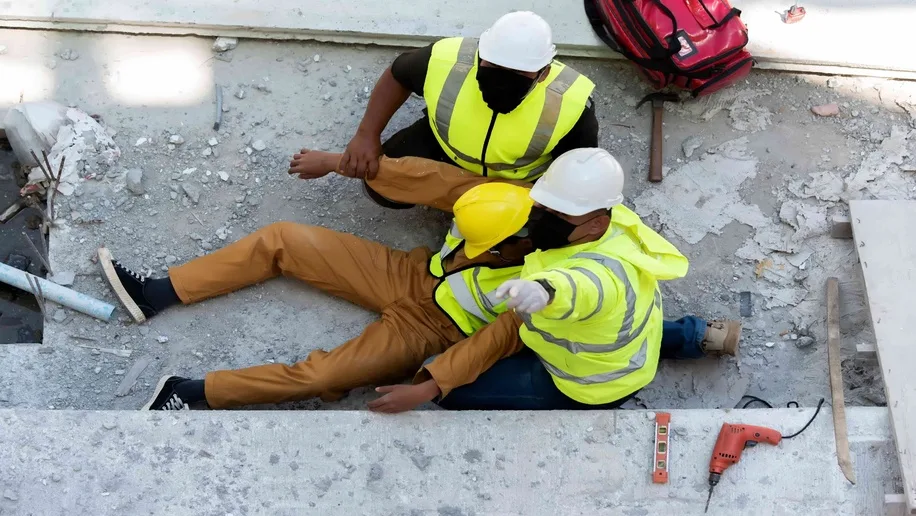
Falls from heights, heavy equipment strikes, electrical injuries, and trench collapses account for a large share of construction injuries across Dallas. Many workers want to know the common causes of construction accidents in Dallas so they can recognize hazards and protect their rights after an incident.
Workers may have options beyond workers’ compensation, especially when another company or contractor contributed to unsafe conditions. A knowledgeable Dallas construction accident lawyer can review the circumstances and explain possible legal paths during a free consultation.
Key Takeaways: Most Common Causes of Construction Accidents in Dallas
- Falls from scaffolding and elevated surfaces remain the leading cause of construction fatalities in Texas, and OSHA violations often reveal unsafe job site practices.
- Workers’ compensation rarely represents the only legal option after a construction injury, especially when third-party negligence contributed to the incident.
- Texas law does not require most private employers to carry workers’ compensation insurance, which changes how injured workers pursue compensation.
- OSHA safety rules establish clear standards for fall protection, crane operation, electrical safety, and trenching practices on construction sites.
- Early action after an accident, including medical care and legal guidance, often strengthens a worker’s ability to pursue compensation.
What Are the Most Common Causes of Construction Accidents in Dallas?
Below are four of the most frequent hazards responsible for serious injuries on construction sites throughout Dallas.
Falls from Scaffolding and Elevated Platforms
Falls remain the leading cause of construction fatalities nationwide. Workers often perform tasks on scaffolding, ladders, rooftops, and elevated walkways. Without proper guardrails or harness systems, a single slip can result in devastating injuries.
Sites near Knox-Henderson have seen multiple incidents involving unstable platforms and missing fall protection equipment. These hazards frequently lead to construction site fall accidents in Dallas Texas, particularly when safety supervisors fail to enforce OSHA fall protection rules.
Common safety failures include unsecured scaffolding, missing guardrails, or workers receiving limited training on height-related hazards. Workers injured in a fall often receive treatment at nearby medical facilities such as Baylor University Medical Center, where trauma teams frequently care for serious workplace injuries.
Struck-by Accidents Involving Cranes and Heavy Equipment
Large construction projects depend on cranes, forklifts, and other heavy machinery. While these machines improve efficiency, they also create dangerous environments for workers nearby.
A crane lifting steel beams in the Trinity Groves area or a forklift moving materials near Lower Greenville requires careful coordination. Operators must maintain clear visibility and communication with ground crews.
Struck-by accidents occur when equipment operators lose sight of workers, loads swing unexpectedly, or safety zones remain poorly marked. Falling tools, moving vehicles, and shifting loads often cause severe injuries such as head trauma or crushed limbs.
In many cases, equipment maintenance issues contribute to the incident. A defective component or mechanical failure may trigger an equipment malfunction construction accident in Texas, opening the door to liability beyond the employer.
Electrocution from Exposed Wiring and Power Lines
Electrical hazards represent another serious threat on construction sites. Workers installing lighting systems, repairing infrastructure, or operating cranes near overhead power lines face constant exposure to electricity.
An unmarked power line near a redevelopment project in Oak Lawn can easily become a hidden danger. Exposed wiring, damaged insulation, and poorly labeled circuits increase the risk of electrocution.
OSHA regulations require contractors to identify electrical hazards and implement lockout procedures before maintenance work begins. Lockout refers to a safety process that disconnects power sources and prevents machinery from activating during repairs.
Nearby emergency treatment centers such as Texas Health Presbyterian Hospital Dallas frequently treat electrical burns and trauma related to construction accidents.
Caught-in/Between Accidents and Trench Collapses
Caught-in/between accidents occur when workers become trapped between machinery, collapsing materials, or unstable structures. These incidents often involve excavation projects and trenching operations.
A trench collapse near a road expansion project in the Lake Highlands area can bury workers within seconds. Heavy soil, shifting ground, and poor shoring systems create extremely dangerous conditions.
These incidents sometimes lead to a scaffolding collapse construction injury in Dallas, especially when structural supports fail or workers overload temporary platforms.
Construction crews injured in trench collapses often require immediate trauma care. Methodist Dallas Medical Center frequently provides emergency treatment for severe crush injuries and internal trauma.
What OSHA Regulations Apply to Dallas Construction Sites?

Federal safety rules established by the Occupational Safety and Health Administration guide construction practices throughout Texas. These standards outline clear requirements designed to reduce serious workplace injuries.
Employers, contractors, and site managers must follow OSHA rules to protect workers from known hazards. Violations often serve as evidence of negligence in construction injury claims.
Several OSHA standards apply directly to the hazards discussed earlier.
OSHA’s Focus on Fall Protection (29 CFR 1926.502)
OSHA requires fall protection for workers operating at heights of six feet or more in construction settings. This rule covers guardrails, safety nets, and personal fall arrest systems such as harnesses.
Fall protection failures frequently lead to scaffolding incidents. Workers may lack proper harness equipment, or supervisors may allow tasks to continue without protective barriers.
Common fall protection violations include:
- Missing guardrails on elevated platforms or scaffolding.
- Lack of safety harness systems for workers operating at height.
- Inadequate training on fall protection equipment.
- Poorly assembled scaffolding structures.
Each violation creates conditions that increase the risk of severe falls.
Struck-by and Crane Safety Standards (29 CFR 1926.550)
Crane operation rules require careful inspections, proper operator certification, and safe load handling procedures. OSHA requires clear communication signals between crane operators and ground crews.
Crane-related incidents often occur when overloaded lifts, unstable ground conditions, or mechanical failures affect equipment performance. A construction manager who ignores inspection requirements may contribute to preventable accidents.
Workers injured in crane incidents often face long recovery periods due to the force involved in struck-by injuries.
Electrical Safety and Lockout/Tagout Requirements (29 CFR 1926.400)
Electrical safety rules require contractors to identify live circuits, mark power lines clearly, and implement lockout/tagout procedures. Lockout means disconnecting energy sources, while tagout places visible warnings on equipment.
These safety measures prevent workers from accidentally activating machinery during maintenance work. Without these precautions, electrical injuries become far more likely.
Construction companies working on large renovation projects in areas like Preston Hollow must carefully coordinate electrical systems to avoid dangerous exposure.
Excavation and Trenching Standards (29 CFR 1926.651)
Excavation safety rules address trench depth, soil conditions, and protective systems such as shoring or trench boxes. OSHA requires protective structures for trenches deeper than five feet.
A trench box acts as a protective barrier that shields workers from collapsing soil. Proper installation of this equipment prevents many fatal trench accidents.
Failure to follow these requirements often leads to severe injuries during infrastructure projects throughout North Texas.
Who Can Be Held Liable for a Construction Site Accident in Texas?
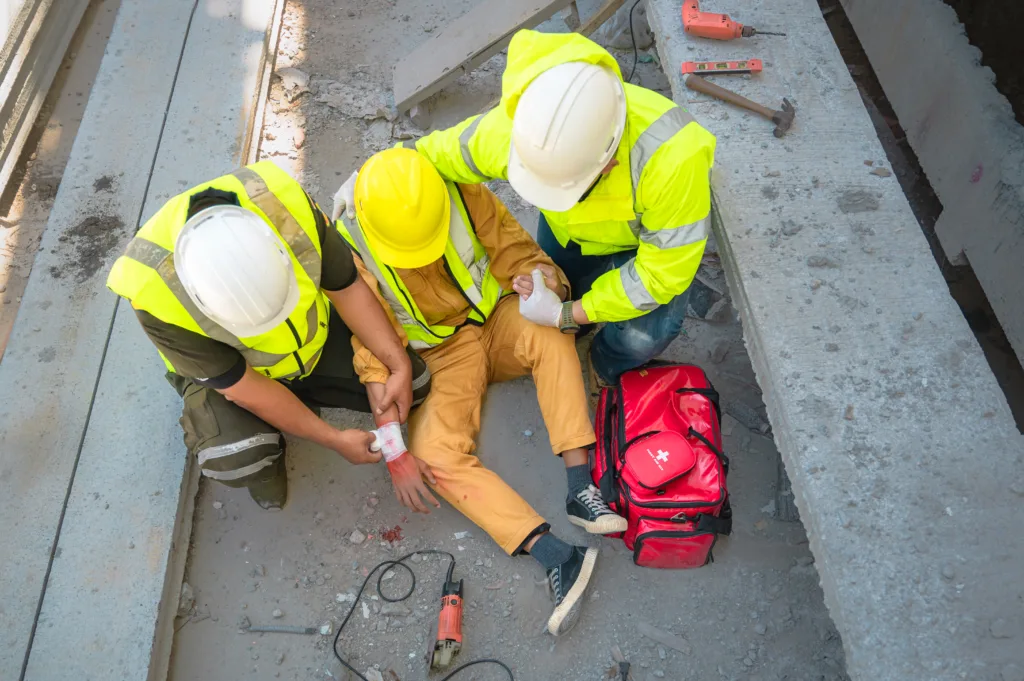
When a construction accident occurs, multiple parties may hold legal responsibility for the resulting injuries.
General Contractors and Subcontractors
General contractors oversee large projects and coordinate the work of subcontractors. Safety oversight falls within their responsibilities, including hazard identification and worker training.
Subcontractors also share responsibility for maintaining safe work practices. If a subcontractor fails to secure scaffolding or provide protective equipment, that company may contribute to the accident.
Equipment Manufacturers and Third-Party Vendors
Defective equipment sometimes contributes to serious workplace injuries. A faulty crane component, malfunctioning lift system, or defective harness could lead to catastrophic consequences.
Manufacturers and maintenance vendors may bear responsibility when equipment defects cause injuries.
Property Owners and Site Managers
Property owners who oversee construction projects must address dangerous conditions on the site. A property owner who ignores known hazards or hires unsafe contractors may share legal responsibility.
Site managers also influence daily safety practices. Poor communication, rushed schedules, or overlooked inspections increase the likelihood of accidents.
Why Third-Party Claims Often Exceed Workers’ Comp Benefits
Workers’ compensation provides limited financial support for injured employees. Benefits typically cover medical expenses and partial wage replacement.
Third-party liability claims, however, may allow workers to pursue additional compensation. These claims address negligence by companies other than the worker’s employer.
A skilled construction accident lawyer evaluates each party involved in the project to determine whether a third-party claim exists.
Does Texas Workers’ Compensation Cover All Construction Injuries?
Texas operates under a unique workers’ compensation system. Unlike many states, Texas does not require most private employers to carry workers’ compensation coverage.
This distinction changes how injured construction workers pursue financial recovery.
How Texas Workers’ Comp Works and Where It Falls Short
Workers’ compensation provides benefits regardless of fault. An injured employee generally receives medical care and partial wage replacement.
However, workers’ compensation typically limits the ability to pursue additional damages against the employer.
Non-Subscriber Employers and What That Means for Injured Workers
Some Texas companies operate as non-subscribers, meaning they choose not to carry workers’ compensation insurance. Injured workers employed by non-subscribers may file a personal injury lawsuit directly against the employer.
This legal path often allows recovery for a broader range of damages compared to workers’ compensation claims.
When a Personal Injury Lawsuit Is the Better Path
A lawsuit may become the better option when a third party caused or contributed to the accident. Claims against equipment manufacturers, subcontractors, or property owners often provide access to greater compensation.
An attorney reviews safety records, contracts, and accident reports to determine the most effective legal strategy.
What Damages Can an Injured Construction Worker Recover in Texas?
Construction accidents often leave workers with long recovery periods and lasting limitations. Legal claims allow injured workers to seek compensation for several types of losses.
Courts typically categorize these damages into economic and non-economic losses.
Economic Damages: Medical Bills, Lost Wages, and Future Earning Capacity
Economic damages represent measurable financial losses. Medical expenses from surgeries, hospital stays, rehabilitation, and medication often accumulate quickly.
Lost wages during recovery also fall within this category. Some workers face permanent limitations that reduce their future earning capacity.
Non-Economic Damages: Pain, Suffering, and Loss of Enjoyment of Life
Non-economic damages address the human impact of an injury. Chronic pain, mobility limitations, and emotional strain affect daily life after serious construction accidents.
These damages acknowledge how injuries change routines, relationships, and long-term quality of life.
Punitive Damages in Cases of Gross Negligence
Texas law sometimes allows punitive damages when extreme negligence occurs. Gross negligence refers to conduct that shows a reckless disregard for worker safety.
Courts may award punitive damages to discourage similar misconduct in the future.
How Our Firm Can Help

A construction accident often leaves workers with urgent questions about medical care, income, and legal options. Our Dallas construction accident attorneys at Crain Brogdon, LLP understand the challenges injured workers face during recovery. We focus on protecting your rights while you concentrate on healing.
Our team uses years of experience and strong investigation methods to uncover what happened and identify responsible parties.
Investigating the Accident and Preserving Critical Evidence
A strong legal claim begins with a thorough investigation. Our attorneys gather accident reports, safety inspection records, and witness statements.
We also secure photographs, equipment logs, and OSHA documentation before that evidence disappears.
Identifying All Liable Parties Beyond Your Employer
Construction projects involve many organizations working side by side. Our legal team examines contracts, site management records, and vendor relationships to identify every responsible party.
That approach often reveals third-party liability claims that expand the compensation available to injured workers.
Maximizing Your Recovery Through Third-Party Claims
Third-party claims may provide access to compensation for pain, suffering, lost income, and long-term medical care.
Our attorneys pursue these claims aggressively while negotiating with insurance companies and opposing legal teams.
Handling OSHA Records, Expert Witnesses, and Insurance Disputes
Construction accident cases often rely on safety regulations and technical evidence. Our team works with safety professionals, engineers, and medical specialists who help explain what went wrong.
We also manage communications with insurance companies so you don’t face unnecessary pressure during recovery.
Frequently Asked Questions About Dallas Construction Injury Claims
Texas law generally allows two years from the date of the injury to file a personal injury lawsuit. Missing this deadline may prevent you from pursuing compensation.
Yes. Texas allows injured workers to file lawsuits against employers who operate as non-subscribers. These claims often provide broader compensation than traditional workers’ compensation benefits.
Seek medical care immediately, even if injuries seem minor at first. Report the incident to your supervisor, document the scene if possible, and speak with a construction accident lawyer before giving statements to insurance representatives.
Texas follows a modified comparative fault rule. A worker may still recover damages if their share of fault remains below 51 percent.
Workers have the right to report workplace injuries without intimidation. Legal guidance helps protect your rights and ensures proper documentation of the incident.
Let Our Skilled Construction Accident Attorneys in Dallas Help
Construction workers across Dallas help build the city’s future. When unsafe conditions cause serious injuries, workers deserve accountability and meaningful support during recovery.
Legal claims often extend beyond workers’ compensation, especially when third-party negligence contributed to the accident. Acting quickly helps preserve evidence and protects your right to pursue compensation under Texas law.
Our Dallas construction accident attorneys at Crain Brogdon, LLP provide knowledgeable guidance and focused representation for injured workers and their families. We offer free consultations, and our firm collects no legal fees unless we recover compensation for you.
If a construction accident disrupted your life, contact our team today to discuss your legal options.

Attorney Quentin Brogdon
Quentin Brogdon has over thirty years of experience and expertise in the field of personal injury trial law. He is board certified in both personal injury trial law and civil trial advocacy. Quentin has received an AV rating from Martindale-Hubbell, the highest possible rating. This rating reflects an attorney’s ethics and abilities according to reviews from fellow attorneys. [ Attorney Bio ]



Recent Comments