

- September 18, 2022
- Vehicle Accidents

Understanding how car accident insurance works in Texas often becomes a priority after a collision leaves you facing unexpected medical bills, vehicle repairs, or disputes over fault.
Texas follows a fault-based insurance system, which means the driver responsible for the crash is financially liable for the damages. However, navigating the claims process can be challenging, especially when insurance companies undervalue claims or shift blame.
During a free consultation, a Texas car accident lawyer from Crain Brogdon, LLP, can help you understand how the following legal insights could shape your case, address challenges with insurance claims, and guide you toward pursuing the compensation you may be entitled to under Texas law.
Key Takeaways About How Car Accident Insurance Works in Texas Motor Vehicle Collisions
- Texas utilizes a fault-based system: Drivers must carry minimum liability coverage to pay for injuries and property damage they cause. However, establishing fault is not always a clear-cut process. Legal counsel can help gather and analyze strong evidence to establish clear liability.
- Proportionate responsibility affects compensation: Under the Texas Civil Practice and Remedies Code Chapter 33, a driver can only recover damages if they are 50% or less at fault. A lawyer can fight unfair fault assignments to protect your financial recovery.
- The statute of limitations is strict: Texas Civil Practice and Remedies Code § 16.003 generally gives injured parties 2 years from the accident date to file a lawsuit. Waiting too long can permanently bar you from recovering damages. Early legal intervention can help meet critical deadlines.
- Minimum limits may not cover all costs: With minimum liability limits of 30/60/25, severe accidents often result in damages exceeding the at-fault driver’s coverage. An attorney can explore alternative sources of compensation to support your recovery.
How Does the Texas At-Fault Auto Accident Insurance System Work?

In Texas, the at-fault driver is financially responsible for covering the damages caused in a car accident. This fault-based system, also known as a tort system, requires injured parties to prove that the other driver’s negligence directly caused their injuries. Common examples of negligence include:
- Speeding or reckless driving that endangers others on the road.
- Distracted driving, such as texting or using a phone behind the wheel.
- Traffic violations, like running a red light or failing to yield.
Insurance companies representing the at-fault driver often dispute liability or argue that your injuries were pre-existing. A Texas car accident lawyer can challenge these tactics by gathering evidence such as police reports, witness statements, and expert testimony to build a strong liability case.
What Is Personal Injury Protection (PIP) in Texas Car Accident Injury Claims?
Personal Injury Protection (PIP) is typically the first option for covering immediate expenses after a car crash in Texas. This no-fault coverage pays for medical bills and a portion of lost wages, regardless of who caused the accident. However, PIP has its limitations, especially in cases involving severe or catastrophic injuries.
Key points to consider about PIP include:
- Insurers must offer PIP: Texas law requires insurers to include PIP in policies unless the policyholder rejects it in writing.
- Coverage amounts are often limited: Standard PIP policies may not fully address the costs of extensive medical care or long-term recovery.
- PIP benefits do not prevent further claims: You can still pursue compensation from the at-fault driver for damages that exceed your PIP coverage.
For those without PIP or who exhaust their benefits, Medical Payments (MedPay) coverage may provide additional support for medical expenses. However, MedPay does not cover lost wages and is not included in all policies.
A car crash injury lawyer can help you maximize your PIP benefits, explore other insurance options, and pursue claims against the at-fault driver to address the full scope of your damages. Much of this may be covered during a free case evaluation.
Who Pays Medical Bills After a Car Crash in Texas?
Car accident insurance in Texas is intended to help injured parties recover their medical costs by holding the at-fault driver financially responsible. While the system is designed to make it clear who pays for medical expenses, the reality is often more complicated.
How the Process is Supposed to Work
Under the Texas fault-based insurance system, the at-fault driver’s liability insurance is expected to cover:
- Medical bills for injuries caused by the accident
- Lost wages resulting from time away from work
- Non-economic damages like pain and suffering, all of which factor into how to calculate a Texas car accident settlement
This framework is meant to provide a straightforward path to compensation, but in practice, it often falls short.
Where the Process Often Breaks Down
Despite the system’s intentions, several challenges can arise, including:
- Disputes over fault: Insurance companies may argue about who caused the accident to avoid paying claims.
- Delays in payouts: The at-fault driver’s insurance typically pays out in a lump-sum settlement, leaving victims to cover costs upfront.
- Insufficient coverage: Minimum liability limits may not fully address the financial impact of severe or catastrophic injuries.
These issues can complicate the claims process and may significantly affect the outcome of your case. Understanding how Texas law applies to your situation is critical to navigating these challenges effectively.
How Texas Law Impacts Your Car Accident Insurance Claim
Texas law introduces several important factors that can affect how and when you file a car accident insurance claim. These include:
- Filing and notification timelines: While the statute of limitations for filing a car accident lawsuit in Texas is typically two years from the date of the accident, you may have far less time to notify your insurance company. Some policies require you to report the accident within days, so it’s important to act quickly to avoid jeopardizing your claim.
- Comparative fault laws: Texas follows a modified comparative fault rule, meaning your compensation may be reduced if you are found partially at fault. If you are more than 50% at fault, you may be barred from recovering damages.
- Claims involving government entities: If your accident involves a government vehicle or employee, special rules and shorter notification deadlines may apply.
Insurance adjusters spend their days interpreting the law to minimize payouts and protect their company’s bottom line. Partnering with legal professionals can help you navigate these challenges, ensuring that your rights are protected and your claim is handled properly.
Common Scenarios Where You May Need to File a Car Accident Claim Due to Negligence
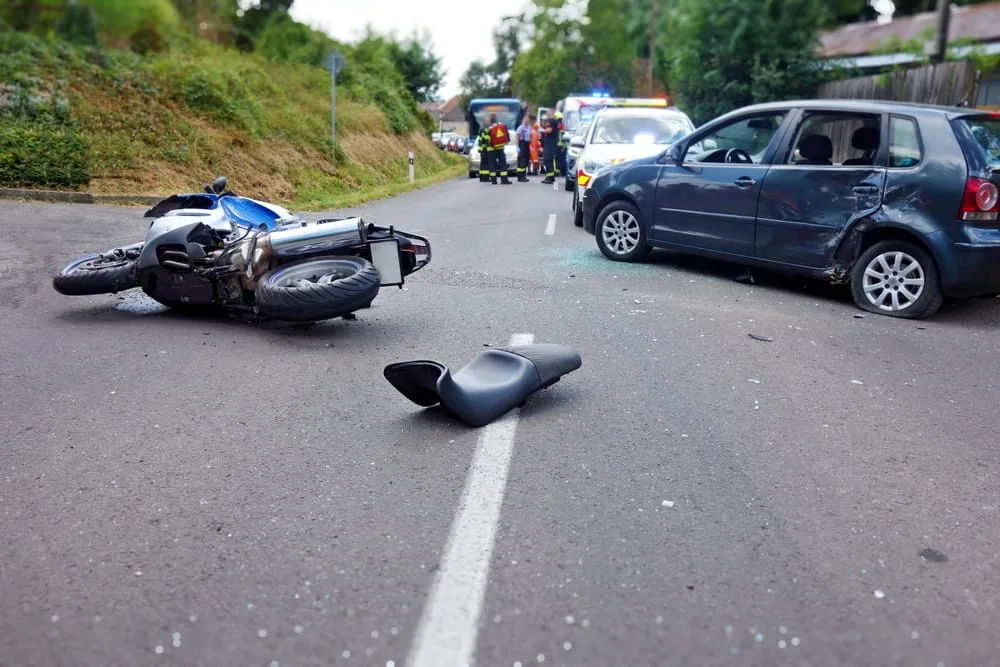
Each of these scenarios demonstrates the complexities that can arise when filing a negligence-based car accident claim. Cases involving catastrophic injuries, multiple parties, or disputed liability often require a thorough understanding of the legal process to achieve a fair resolution.
High-Speed Collisions on Texas Highways
Texas highways, such as I-35, I-45, and I-10, are often the site of high-speed accidents.
When drivers fail to obey speed limits, follow traffic laws, or account for road conditions, the resulting collisions can cause catastrophic injuries.
These cases often involve complex liability issues, especially when multiple vehicles are involved.
Commercial Vehicle and Truck Accidents
Accidents involving commercial vehicles, including 18-wheelers and delivery trucks, are a common cause of catastrophic injuries.
These crashes frequently occur on major routes like I-20 and I-30, where heavy traffic and driver fatigue can result in devastating consequences.
Determining liability in these cases often requires navigating both state and federal regulations.
T-Bone and Intersection Accidents
Intersections in urban areas like Dallas, Houston, and Austin are hotspots for T-bone collisions caused by drivers running red lights or failing to yield.
These accidents often result in severe injuries due to the direct impact on the side of the vehicle, where there is less protection for passengers.
Drunk Driving Accidents
Drunk driving accidents often introduce additional complexities to the insurance claims process. In these cases, liability may seem straightforward, but pursuing compensation can involve unique challenges, such as proving the driver’s intoxication and seeking punitive damages.
Insurance companies may push back harder in these situations, especially when significant compensation is at stake. Working with a legal professional can help you navigate these challenges, ensuring that your rights are protected and that you are positioned to secure the compensation you deserve.
Rollover Accidents
Rollover accidents are particularly dangerous and often occur when drivers lose control on rural roads or highways. SUVs and trucks are especially prone to rollovers, which can lead to severe injuries or fatalities. These cases may also involve product liability claims if a vehicle defect contributed to the accident.
FAQs About Car Accident Insurance in Texas
Can I still receive compensation if I wasn’t wearing a seatbelt at the time of the accident?
Failure to wear a seatbelt does not automatically bar you from recovering damages, but it can complicate your claim. The insurance company may argue that your injuries would have been less severe had you been buckled up. A lawyer can counter this by proving the accident caused the injuries regardless of seatbelt use.
Does Texas law require me to give a recorded statement to the other driver’s insurance?
You are generally not legally obligated to provide a recorded statement to the at-fault driver’s insurance company. Adjusters are trained to ask leading questions that can damage your credibility or liability standing. It is safer to have your lawyer handle all communications with the opposing insurer to protect your claim.
What should I do if the insurance company denies my claim entirely?
Insurance companies deny claims for various reasons, sometimes incorrectly claiming their policy was lapsed or that their driver wasn’t at fault. An attorney can review the denial letter, investigate the insurer’s reasoning, and file a lawsuit if the denial is made in bad faith or based on incorrect facts.
How does a pre-existing condition affect my car accident injury claim in Texas?
The “eggshell plaintiff” doctrine protects victims who are more susceptible to injury. However, insurers will aggressively try to blame your pain entirely on the old injury. Legal counsel uses detailed medical records and expert opinions to differentiate the new trauma from the old condition.
Can I recover compensation for a hit-and-run accident in Texas?
Since the at-fault driver cannot be identified, they are treated as an uninsured motorist. Pursuing this claim requires meeting specific reporting requirements, such as filing a police report within a certain timeframe. A lawyer can ensure you meet these contractual obligations to access your UM benefits.
Protect Your Rights After a Texas Motor Vehicle Accident

Recovering from a serious car accident is challenging enough without the added stress of navigating legal and insurance hurdles. Texas liability laws, fault disputes, and the claims process can be complex, especially when insurance companies prioritize their bottom line over your needs.
Having the right support can make all the difference. A knowledgeable legal team can help you understand your rights, address unfair fault allocations, and pursue the compensation you deserve. With experienced guidance, you can focus on your recovery while ensuring that your financial future is protected.
If you’re ready to take the next step in seeking justice for your injuries, contact Crain Brogdon, LLP today to schedule a free consultation. Our Dallas car accident attorneys are here to provide the support and guidance you need to move forward with confidence.
Legal Resources About Texas Car Accident Claims
Understanding your rights after a serious car accident is the first step toward securing the compensation you deserve. These resources offer valuable insights and practical advice to help you make informed decisions about your case:
- Representing Your Best Interests in Your Car Crash Case
- Catastrophic Car Accident Injuries
- Automobile Accidents with Catastrophic Outcomes
Every car claim case is different, and achieving justice starts with knowing your options. Don’t wait to get the answers you need. Contact the Texas catastrophic injury lawyers at Crain Brogdon, LLP today for a free consultation.
Attorney Quentin Brogdon
Quentin Brogdon has over thirty years of experience and expertise in the field of personal injury trial law. He is board certified in both personal injury trial law and civil trial advocacy. Quentin has received an AV rating from Martindale-Hubbell, the highest possible rating. This rating reflects an attorney’s ethics and abilities according to reviews from fellow attorneys. [ Attorney Bio ]


Recent Comments