FREE CONSULTATION: 214.522.9404
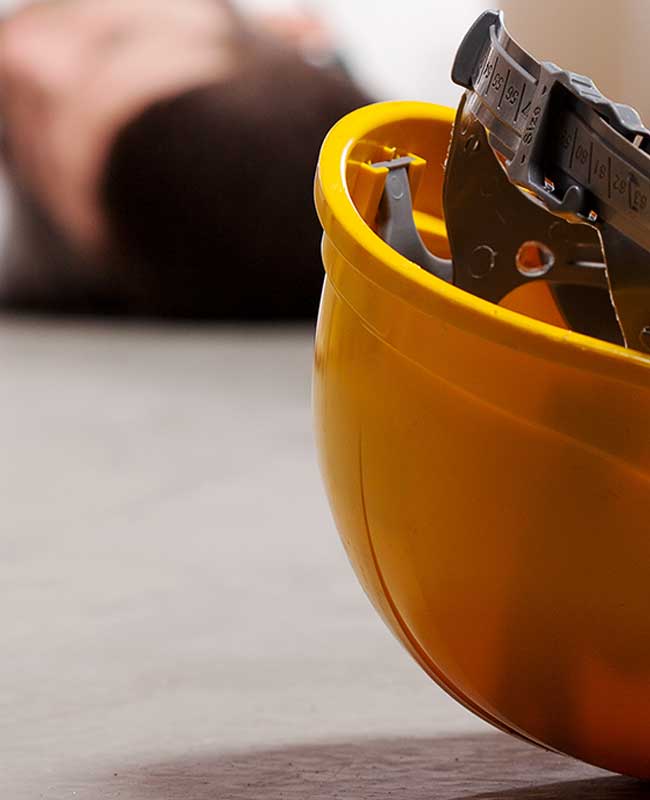
Texas allows employers to opt out of the workers compensation system entirely, and construction companies do it more often than most workers realize. If the general contractor or subcontractor you worked for skipped workers comp, you’re not stuck with a capped, no fault claim that pays a fraction of what you actually lost.
A Fort Worth construction accident lawyer can bring a direct injury claim against that employer instead, and that distinction can change what your case is worth by a wide margin.
Crain Brogdon, LLP works with workers and families across Fort Worth and the surrounding job sites after falls, crane failures, trench collapses, and equipment accidents that shouldn’t have happened.
Call (214) 522-9404 for a free case evaluation, and we’ll tell you honestly whether your employer’s coverage status changes what options you have.
What Makes a Construction Injury Claim Different from a Typical Job Injury Claim?
Construction injury claims in Texas hinge on one question most workers never think to ask until after they’re hurt: does your employer carry workers compensation insurance at all? Texas is one of the only states that lets employers decide not to.
A company that opted out is called a non-subscriber, and a Fort Worth non-subscriber injury lawyer looks at these cases differently than a standard workers comp claim, because a non-subscriber employer loses several legal defenses it would otherwise have.
How Non-Subscriber Claims Differ

Normally, workers comp pays out regardless of fault, but it caps what you can recover and blocks you from suing your employer directly. When an employer opts out, that trade goes away.
You can bring a full negligence claim, one that accounts for pain, lost future earnings, and the complete scope of what happened, rather than the fixed schedule of benefits a comp claim provides.
Finding out early which category your employer falls into shapes almost every decision that follows.
Occupational Accident Policies
Some Fort Worth construction companies carry an occupational accident policy instead of traditional workers comp. This looks similar on paper but functions differently in practice. These policies often cap benefits at a set dollar amount and cut off payments after a defined period, regardless of how long an injury actually takes to heal.
Reading the actual policy, rather than trusting a company’s summary of what it covers, tells you what you’re really working with.
What Kinds of Fort Worth Construction Accident Cases Do We Handle?
We handle the injury patterns that show up again and again on Fort Worth job sites, from downtown high rise projects to warehouse builds along the outer loop. A Fort Worth construction injury attorney on our team looks closely at how the accident happened, since the cause often points straight at who’s responsible.

The situations we see most include:
- A fall from a ladder, roof, or unguarded edge where fall protection should have been in place.
- A Fort Worth scaffolding fall lawyer case involving planking that gave way or a platform that was never properly secured.
- A crane related accident where a load shifted, a boom failed, or a signal person made a critical error in communication with the operator.
- A trench or excavation collapse where the walls weren’t shored up to code.
- An electrocution or equipment accident tied to a machine that was missing a guard or hadn’t been inspected on schedule.
Each of these points toward a different set of records, and often a different party responsible for what went wrong.
Who Can Be Held Responsible for a Fort Worth Construction Accident?
Responsibility on a construction site rarely rests with just one company. A typical project involves a general contractor as well as several subcontractors, each one handling a different piece of the work.
General Contractor and Subcontractor Responsibility
The general contractor usually controls overall site safety and coordinates between trades. A failure to enforce safety rules across the site can point back to that company even if a subcontractor’s crew caused the actual accident.
A Tarrant County construction accident lawyer maps out that chain of command early, since the party that hired the crew isn’t always the party that failed.
Equipment Manufacturers and Property Owners

Equipment manufacturers can also share responsibility if a crane, lift, or power tool had a design flaw or a defect that made it dangerous even when used correctly.
Property owners sometimes bear responsibility too, particularly on a renovation project where the owner retained more control over site conditions than a typical owner would.
Sorting out which of these parties actually failed, and proving it, takes someone willing to pull permits, contracts, and safety records rather than accepting whatever the site superintendent says happened.
Liability on Multi-Employer Worksites
Multi-employer worksites add another layer that surprises a lot of injured workers. Federal safety rules recognize that a single job site often has a controlling employer, a creating employer that caused a hazard, and an exposing employer whose crew got hurt by it, and these can be three different companies.
A worker employed by a small subcontractor can still bring a claim against the general contractor if that company controlled site conditions and failed to address a known hazard, even if the subcontractor itself did nothing wrong.
What Evidence Matters Most in a Construction Accident Claim?
Construction accident claims often come down to whether safety rules got followed on the day of the accident, and that evidence disappears fast once a site gets cleaned up or a project moves forward.
OSHA Investigations
OSHA citations and inspection reports, if the accident triggered a federal review, tell you whether a violation existed independent of anyone’s opinion about what happened. Daily safety logs, toolbox talk records, and equipment maintenance histories show whether a company followed its own stated procedures or ignored them.
Photographs and Witness Statements
Photographs from the scene matter enormously, and they matter most when someone takes them before a site gets restored to working order. Witness statements from other workers carry weight too, though workers sometimes hesitate to speak up while they still depend on the same employer for a paycheck.
We handle those conversations directly so a worker never has to choose between supporting a coworker’s claim and protecting their own job.
Equipment Maintenance and Repair Records
Equipment maintenance records deserve their own mention, since a crane, lift, or scaffolding system that failed often has a service history that shows exactly when a known issue first appeared. A machine flagged for repair weeks earlier, then put back into use before the fix happened, tells a story no witness statement can match.
We request those records directly from the equipment owner or rental company rather than waiting for a general contractor to volunteer them.
Why Do You Need a Fort Worth Construction Accident Lawyer on Your Side?

You need a lawyer because construction companies and their insurers move quickly to control the story after a serious accident, often before an injured worker even leaves the hospital.
A safety manager may show up at your bedside asking you to sign a statement, and that statement can shape the entire case before you’ve had time to think clearly about what happened. Insurance adjusters representing a general contractor know exactly how to frame questions that limit what a company owes.
A construction accident lawyer requests OSHA records, subpoenas safety logs, and identifies every company involved in a project before evidence gets lost or a witness moves on to another job.
We’ve seen cases where a subcontractor’s own daily reports documented a hazard days before someone got hurt, information that never would have surfaced without a formal records request. That kind of detail often decides whether a case reflects what actually happened on site.
What Happens After You Call Crain Brogdon, LLP?
Once you call, we start by identifying every company tied to the project, the general contractor, each subcontractor on site, and any equipment supplier whose product may have played a role.
We request OSHA records if an investigation opened, pull the relevant permits, and gather daily safety logs before a company has much chance to rewrite its own account of what happened.
Confirming Your Employer’s Coverage
We also confirm your employer’s coverage status early, since that single fact determines whether your claim runs through workers compensation or through a direct negligence lawsuit.
From there, we explain what each step means for your case in plain language, and we keep you updated as records come in rather than leaving you to wonder where things stand.
Coordinating With Medical Providers
We also loop in medical providers early when an injury requires ongoing treatment, since a worker recovering from a serious accident shouldn’t have to juggle case logistics on top of physical therapy and follow up appointments.
Coordinating that side of things while a claim moves forward lets you focus on getting better rather than managing paperwork.
What Compensation Can Look Like in a Fort Worth Construction Accident Case?

Compensation in a Fort Worth construction accident case typically covers medical treatment, lost wages, and ongoing care if an injury limits what kind of work you can do going forward. In cases involving a death, families can recover funeral costs and the financial support the person would have provided over time.
The exact figure depends heavily on whether your employer carries workers compensation or opted out, since a non-subscriber case opens the door to damages a standard comp claim simply doesn’t allow.
Long-Term Costs of Serious Construction Injuries
Serious construction injuries, spinal damage, traumatic brain injuries, amputations, and burns among them, often require care that extends years beyond the accident itself.
A case built around only the immediate medical bills undercounts what a worker actually needs, which is why we look at long term care costs and future earning capacity rather than settling for whatever a first offer covers.
Non-subscriber cases also open the door to punitive damages in some circumstances, a category of compensation meant to penalize an employer for especially reckless conduct rather than simply cover a worker’s losses.
Punitive Damages in Non-Subscriber Cases
That category doesn’t apply to every case, and it requires showing the employer’s conduct went well beyond ordinary carelessness. Whether it fits your situation depends on the specific facts, which is part of what we sort out during a full case review rather than during an initial phone call.
Frequently Asked Questions About Construction Accident Claims in Fort Worth
Do you handle cases where the injured worker isn’t a Texas resident?
Yes, we handle claims for workers injured on Fort Worth job sites regardless of where they live, since construction crews often travel for projects. Where you live doesn’t change which laws apply to an accident that happened at a Texas job site.
What if my employer says I signed away my right to sue?
Some non-subscriber employers ask workers to sign an arbitration agreement or a liability waiver during onboarding, and whether that document actually blocks a claim depends on how it’s written and when you signed it. We review the specific agreement before assuming it limits your options.
Can I still bring a claim if a coworker caused the accident instead of a company?
Yes, in many cases. Texas negligence law can hold an employer responsible for a coworker’s careless actions on the job, particularly when poor training, understaffing, or pressure to work faster contributed to the mistake. We look at what led up to the moment of the accident, not just who was standing closest to it.
What does a free case evaluation with your firm involve?
A free case evaluation means we review what happened with you at no cost and no obligation to move forward. We’ll ask about the job site, the employer’s coverage status, and the circumstances of the accident, then tell you honestly whether we think you have a case worth pursuing.
Call Crain Brogdon, LLP for a Free Case Evaluation

A serious construction accident often comes down to a company that cut a corner somewhere, whether on training, equipment maintenance, or basic site safety, and a worker who paid the price for it.
Crain Brogdon, LLP reviews Fort Worth construction accident cases for workers and families dealing with a serious injury or the loss of someone they love, and we can tell you within one conversation whether your situation looks like a claim worth pursuing.
Call (214) 522-9404 for a free case evaluation, and let’s talk through what happened.

Attorney Quentin Brogdon
Quentin Brogdon has over thirty years of experience and expertise in the field of personal injury trial law. He is board certified in both personal injury trial law and civil trial advocacy. Quentin has received an AV rating from Martindale-Hubbell, the highest possible rating. This rating reflects an attorney’s ethics and abilities according to reviews from fellow attorneys. [ Attorney Bio ]
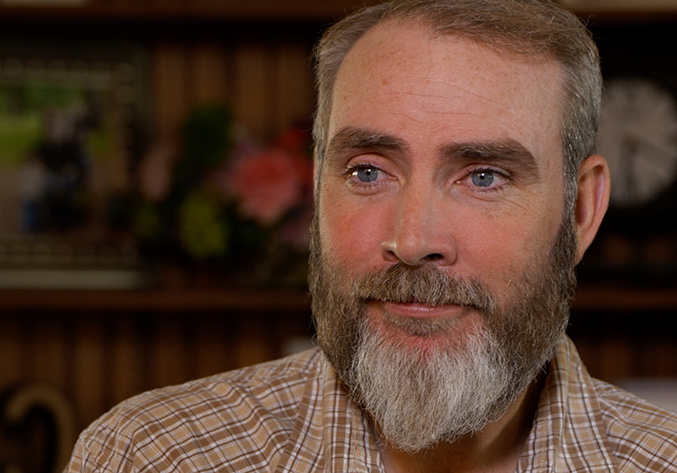

VIDEO: Client Testimonial
Devon Colbert describes working with Crain Brogdon, LLP to recover after a paralyzing injury.