FREE CONSULTATION: 214.522.9404
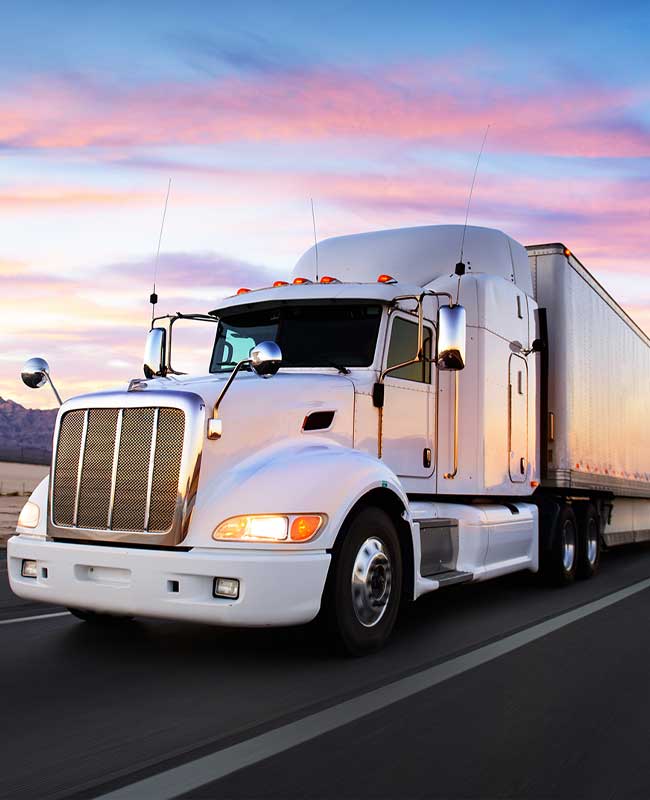
A collision with an 18 wheeler leaves behind injuries that a typical car accident rarely causes, and losing someone to one leaves a family with questions that don’t come with easy answers.
If you’re reading this because a truck accident hurt you or took someone you love, we’re sorry you’re dealing with this, and we want you to know a Fort Worth truck accident lawyer can start sorting out what happened while you focus on what matters most right now.
Crain Brogdon, LLP works with Dallas area families after serious 18 wheeler and semi truck collisions on I-20, I-35W, and the freight corridors running through Fort Worth. Call (214) 522-9404 for a free case evaluation, and we’ll walk through what happened and tell you honestly what we see in your situation.
Why Do Truck Accident Claims Work Differently Than Car Accident Claims?
Federal law requires most commercial trucking companies to carry at least $750,000 in liability insurance, and that number climbs to five million for trucks hauling hazardous materials. That single fact separates a truck accident claim from an ordinary car accident case.
Federal Safety Regulations Create a Paper Trail

Additionally, truck accident claims work differently because commercial trucking companies answer to federal regulations that don’t apply to an everyday driver, and those regulations create a paper trail most car accident cases never have.
The Federal Motor Carrier Safety Administration (FMCSA) sets rules for how many hours a driver can spend behind the wheel before resting, how often a truck gets inspected, and what training a company has to provide before putting someone behind an 18 wheeler.
Driver and Trucking Company Safety Failures
A Fort Worth 18 wheeler accident lawyer looks at whether a driver blew past federal hours of service limits, whether the truck had a known mechanical issue that never got fixed, and whether the company hired a driver with a history that should have raised concerns.
Any one of those failures can shift a case from a simple negligence claim into one involving a company’s own broken safety practices, which often changes what the case is worth.
FMCSA Safety Ratings and Violation History
The FMSCA also assigns trucking companies a safety rating based on inspection results, crash history, and violation patterns, tracked through a system called the Compliance, Safety, Accountability program.
A company with a pattern of hours of service violations or repeated equipment failures in that record has a harder time claiming a single crash came out of nowhere. Pulling that history early tells us whether we’re looking at an isolated incident or part of a broader pattern the company already knew about, and that distinction often shapes how a company’s insurer responds once a claim is filed.
What Kinds of Fort Worth Truck Accident Cases Do We Handle?

We handle truck accident cases involving the freight traffic that moves through Fort Worth every day, from the AllianceTexas corridor to the rail yards and distribution centers scattered along I-35W.
A Fort Worth semi truck accident lawyer on our team looks at the specific mechanics of the crash first, since how a truck accident happens usually points toward what went wrong.
The situations we see most often include:
- An underride crash, where a smaller vehicle slides partially beneath a trailer because the truck lacked proper rear or side guards.
- A jackknife accident caused by sudden braking, an icy stretch of road, or a driver going too fast for conditions.
- A rollover tied to a truck carrying an unbalanced or improperly secured load.
- A tire blowout on a truck that skipped a required inspection or ran on worn equipment.
- A collision caused by a driver who fell asleep, used a phone, or pushed past federal hours of service limits.
Each of these points toward different records worth requesting, and often a different party responsible for the failure.
Who Can Be Held Responsible for a Fort Worth Truck Accident?
Responsibility for a Fort Worth truck accident often extends past the driver, since the trucking company that employed them typically carries legal responsibility for the driver’s actions on the road.
That principle, called vicarious liability, holds an employer accountable for an employee’s negligence while performing job duties.
The Trucking Company Itself
A company can also bear responsibility separate from anything the driver did. Hiring someone with a poor safety record, skipping required background checks, or pushing drivers past federal hours of service limits all point back to the company’s own decisions rather than a single moment behind the wheel.
Other Parties Worth Investigating
Several other parties sometimes share fault in a truck accident case:
Cargo loading companies, when an improperly secured or overweight load caused a rollover or made a truck harder to control.
Maintenance contractors, if a third party handled repairs and missed a known defect.
Truck or parts manufacturers, when a mechanical failure stemmed from a design flaw rather than driver error.
Owner Operators and Employment Status
Whether a driver counts as a company employee or an independent owner operator matters too. Some trucking companies classify drivers as contractors specifically to distance themselves from a driver’s mistakes, but that label doesn’t automatically hold up once you look at who actually controlled the driver’s schedule, route, and equipment.
A thorough review looks at every party connected to a truck accident, not just the name on the police report, because the full picture rarely starts and ends with the driver alone.
What Evidence Matters Most in a Truck Accident Claim?
Evidence that matters most in a truck accident claim usually comes from data the truck and trucking company already collect, not just a driver’s account of what happened. That data doesn’t sit around forever waiting to be requested, which makes early action worth taking seriously.
Electronic And Digital Records

Several digital sources often tell the clearest story:
- The truck’s electronic control module, often called a black box, which records speed, braking, and engine data in the moments before a crash.
- Electronic logging devices, which track a driver’s hours behind the wheel and show whether federal rest rules were followed.
- Trailer GPS and telematics systems, which track speed, location, and braking patterns separate from the truck’s own engine data.
- Driver cell phone records, which can show whether a call or text happened around the time of the crash.
Company And Safety Records
Federal regulations require post crash drug and alcohol testing in many serious commercial truck accidents, and those results become part of the record regardless of whether charges get filed. Maintenance logs and driver qualification files round out the picture, showing whether a company followed its own safety obligations or looked past them.
Combining these sources gives a far more complete account of a crash than any single piece of evidence can offer on its own, which is why gathering them quickly matters so much.
What Happens After You Call Crain Brogdon, LLP?
Once you call, we start by identifying the trucking company, the driver, and any third party that loaded the cargo or serviced the truck before the crash. From there, we move quickly to protect the evidence your case depends on.
Protecting The Evidence
We send preservation letters demanding that key records stay intact, including:

Black box data from the truck’s electronic control module.
Hours of service logs from the driver’s electronic logging device.
Maintenance and inspection records tied to the truck involved.
A trucking company has every incentive to let unfavorable evidence quietly disappear, so this step happens early rather than waiting.
Building The Full Picture
We also request the driver’s qualification file, which includes hiring records, prior violations, and any drug testing history the company kept on file. If more than one party shares responsibility, whether the driver’s employer, a cargo loader, or a maintenance contractor, we build the claim around that from the start rather than adding parties later once evidence points their way.
We explain what each piece of evidence means for your case as it comes in, keeping you updated in plain language throughout the process.
What Compensation Can Look Like in a Fort Worth Truck Accident Case?
Compensation in a Fort Worth truck accident case typically covers medical treatment, lost income, and ongoing care for injuries that limit what you can do going forward. What that adds up to depends heavily on the specifics of the crash and how clearly the evidence ties it to someone else’s failure.
Losses A Claim Can Cover
A truck accident claim generally accounts for:
- Medical treatment, including emergency care, surgery, and any rehabilitation an injury requires.
- Lost income, both wages missed during recovery and reduced earning capacity if an injury changes what work you can do long term.
- Pain that comes with a serious injury, which a claim recognizes as a real loss separate from medical bills.
- Funeral costs and the financial support and companionship a family loses when a truck accident causes a death.
Why Commercial Trucking Cases Differ

Because commercial trucking companies carry much higher insurance limits than a typical driver, cases involving a serious injury or death often reflect the full weight of what a family actually lost, rather than stopping short at a low policy limit.
A crash involving a fatigued driver who exceeded federal hours of service limits, for example, often carries a stronger case for full compensation than one involving a sudden mechanical failure nobody could have predicted, since the first points to a choice someone made.
Shared Fault Considerations
Texas also follows a rule called proportionate responsibility, which reduces what you can recover if you share some fault for the crash, and blocks recovery entirely if you’re found more than fifty percent responsible.
Strong evidence gathered early does more to protect what a case is worth than almost anything that happens later on.
Frequently Asked Questions About Truck Accident Claims in Fort Worth
Do I actually need a lawyer for a truck accident claim, or can the insurance company handle it fairly?
A trucking company’s insurer works to limit what the company pays, and it starts building that position within hours of a crash, often before you’ve even left the hospital. Having someone request the black box data, hours of service logs, and driver history on your behalf changes how seriously that insurer treats your claim from the start.
How long do I have to file a truck accident claim in Texas?
Texas generally gives you two years from the date of the crash to file a personal injury or wrongful death lawsuit against a trucking company or driver. If the truck involved belongs to a government entity, such as a city, county, or state agency, a much shorter notice deadline applies.
Missing any deadline can end a claim before it starts.
What if the truck was owned by a city or county rather than a private trucking company?
Claims against a government entity, like a city owned dump truck or a county maintenance vehicle, follow different rules than a claim against a private trucking company. Texas law requires formal written notice within six months after the accident. Reaching out as soon as your immediate medical needs are addressed protects your ability to bring a claim at all.
What if the trucking company says the crash was my fault?
A trucking company’s early account of what happened isn’t the final word, since black box data, hours of service logs, and witness statements often tell a more complete story than what a company reports after a crash. We request that evidence directly rather than accepting a company’s version of events.
What does a free case evaluation with your firm involve?
A free case evaluation means we review what happened with you at no cost and no obligation to move forward. We’ll ask about the crash, the vehicles involved, and any records you already have, then tell you honestly whether we think you have a case worth pursuing.

Call Crain Brogdon, LLP For a Free Case Evaluation
A Fort Worth truck accident often comes down to a company that pushed a driver too hard, skipped a maintenance check, or looked past a hiring red flag, and a family left to deal with what that decision cost them.
Crain Brogdon, LLP reviews truck accident cases for Dallas area families dealing with a serious injury or the loss of someone they love, and we can tell you within one conversation whether your situation looks like a claim worth pursuing.
Call (214) 522-9404 for a free case evaluation, and let’s talk through what happened.

Attorney Quentin Brogdon
Quentin Brogdon has over thirty years of experience and expertise in the field of personal injury trial law. He is board certified in both personal injury trial law and civil trial advocacy. Quentin has received an AV rating from Martindale-Hubbell, the highest possible rating. This rating reflects an attorney’s ethics and abilities according to reviews from fellow attorneys. [ Attorney Bio ]


VIDEO: Client Testimonial
Devon Colbert describes working with Crain Brogdon, LLP to recover after a paralyzing injury.