FREE CONSULTATION: 214.522.9404

A Houston brain injury lawyer can help build a catastrophic-injury claim around three essential questions: who is legally responsible, how the injury changed the person’s life, and what insurance or assets are available to pay a valid claim.
Crain Brogdon, LLP deliberately handles a limited number of serious injury and wrongful death cases so we can commit substantial resources to complicated litigation. Call (214)522-9404 for a free case review after a life-changing brain injury.
A Brain Injury Claim Turns on Function, Not a Label

A traumatic brain injury, or TBI, is a claim category rather than a single diagnosis, and two people carrying the same label can have very different claims. What matters legally is the documented difference between what a person could do before the event and what they can do after it.
That difference is what a case has to prove, and it is also what an early insurance offer tends to miss. Treatment decisions belong to the injured person’s medical team, while the legal work is establishing the record.
Because the change is often functional rather than visible, brain injury litigation requires more than adding up hospital bills. It requires a documented account of how a life actually changed.
How Can a Houston Traumatic Brain Injury Lawyer Build a Case?
A Houston traumatic brain injury lawyer begins by investigating why the injury occurred and identifying evidence that connects another party’s conduct to the harm. The investigation should also determine whether adequate insurance coverage or other assets exist to support recovery.
A viable case generally involves three connected elements:
- Liability: Evidence showing who was legally responsible for the event that caused the injury.
- Causation and damages: Medical and other evidence connecting that event to the TBI and documenting its consequences.
- Ability to pay: Available insurance coverage, business or personal assets, or other sources that could satisfy a settlement or judgment.
A strong liability theory alone does not establish the value of a catastrophic claim. The injury must also be medically connected to the event, and the financial investigation needs to identify realistic sources of recovery.
Common Causes of Houston Brain Injury Claims

Brain injuries can result from vehicle collisions, commercial truck crashes, falls, workplace incidents, defective products, and other traumatic events. The cause determines what evidence exists and who can be held responsible.
Houston car accidents are a leading cause of TBI claims handled through personal injury litigation. A collision on I-45, I-10, the 610 Loop, US 59/I-69, or another heavily traveled Houston roadway can involve forces well beyond what a vehicle occupant is protected against.
A serious claim can also arise without a dramatic visible injury. The investigation therefore examines the mechanics of the event alongside the medical record and the account of people who knew the person beforehand.
Why Can a TBI Be Difficult to Prove?
Brain injury claims can be difficult to document because the loss often shows up as reduced capacity rather than as an image on a scan. A broken bone is visible on an X-ray, while a change in what someone is able to manage day to day has to be built from a wider record.
A Houston TBI attorney may review emergency records, imaging, rehabilitation records, evaluations by treating providers, and testimony from people who knew the injured person before and after the incident. The goal is to show the functional change rather than relying on a diagnosis alone.
Family members and coworkers can provide important context. They may notice that a person who previously managed complex work, household finances, schedules, or relationships now struggles with tasks that once came naturally.
Pre-Injury History Matters
The person’s life before the accident provides the baseline for measuring change. Employment history, education, independence, hobbies, family responsibilities, and prior records can all help establish that baseline.
The analysis should remain accurate even when the injured person had prior health conditions. Credibility matters in serious litigation, and our approach is built around presenting the complete factual record rather than overstating it.
What Damages Can Follow a Serious Brain Injury?

A serious TBI can create losses that continue for years or a lifetime. Care costs are important, but they may represent only a portion of the overall financial impact.
Potential damages can involve:
- Documented cost of care connected to the injury.
- Projected future care costs.
- Lost income.
- Reduced future earning capacity.
- Assistance with daily activities.
- Home and vehicle modifications.
- Physical impairment.
- Pain and other non-economic harm.
These losses must be tied to evidence. A catastrophic case may require medical professionals, vocational analysis, economic projections, and testimony concerning how the injury affects daily life.
Texas Civil Practice and Remedies Code § 41.0105 limits recovery of medical or health care expenses to the amount actually paid or incurred. The billed figure and the recoverable figure are often very different numbers, which is one reason understanding what drives value in a TBI claim starts with the records rather than the invoice.
How Does a Houston Brain Injury Attorney Evaluate Future Care?
A Houston brain injury attorney evaluates future care by looking beyond current costs and asking what the injured person may reasonably need over time. The answer depends on the treating providers’ assessments, age, functional limitations, employment, and home environment.
A life-care analysis, meaning a professional’s year-by-year projection of a person’s long-term needs and their costs, may become appropriate in a major case. Economic evidence then translates that projection into figures that can be evaluated in settlement discussions or at trial.
Houston families often receive care within the Texas Medical Center, and consistent records from those providers are what a claim is eventually built on. Call (214)522-9404 to discuss what the record already supports.
How a TBI Lawyer Houston Families Hire Investigates Liability

A TBI lawyer Houston families hire should investigate the event that caused the injury rather than treating the diagnosis as the entire case. The evidence needed depends on whether the injury arose from a vehicle crash, commercial incident, unsafe property condition, product failure, or another event.
Evidence might include surveillance footage, photographs, electronic vehicle data, incident reports, inspection or maintenance records, witness statements, corporate documents, or physical evidence. When a commercial truck is involved, Federal Motor Carrier Safety Administration rules generate driver-hour, inspection, and maintenance records an ordinary crash never produces.
Crain Brogdon, LLP handles serious cases nationally and internationally and has the financial capacity to fund intensive investigations. In unusually complex litigation, case expenses can approach $1 million when extensive testing, consultants, depositions, and trial preparation are required.
What Makes Crain Brogdon, LLP Different in a Brain Injury Case?
Crain Brogdon, LLP is intentionally a low-volume, high-complexity practice. We focus our resources on catastrophic injury and wrongful death litigation rather than on processing a large number of smaller claims. In practice, that means fewer clients, longer case timelines, and a willingness to spend on evidence before anyone discusses settlement.
Quentin Brogdon has practiced personal injury trial law for more than three decades. He is a Fellow of the American College of Trial Lawyers and served as president of the Texas Trial Lawyers Association.
His background also has strong ties to Houston. He earned his J.D. and M.B.A. from the University of Houston and served as an associate editor of the Houston Law Review.
Trial Preparation Starts With Credibility
Our approach is even-tempered and straightforward, because credibility influences every stage of serious litigation. We prepare evidence carefully and avoid building a case around claims the record cannot support.
We also keep client relationships direct. Clients work with the attorneys handling their case rather than through an intake queue, and those relationships often continue well beyond the lawsuit.
We also have six team members who speak fluent Spanish. Call (214)522-9404 for a free case review if your family needs help evaluating a catastrophic brain injury claim.
Why TBI Cases Can Require Significant Financial Resources

Serious brain injury litigation is expensive to prepare because proving future consequences requires several different disciplines. Causation, vocational capacity, economics, engineering, and long-term care planning can each become a separate area of investigation.
The cost of litigation should not dictate whether necessary evidence gets developed. Crain Brogdon, LLP has the resources to finance complex cases through investigation and trial preparation when the evidence supports it.
That financial capacity is part of the firm’s deliberate low-volume model. Taking fewer high-complexity matters allows us to devote greater resources to each client’s case.
Coverage Can Cap a Catastrophic Claim Before Damages Do
A lifetime claim can outrun the available policy long before anyone argues about value. Texas Transportation Code § 601.072 sets the minimum at $30,000 per injured person, $60,000 per collision, and $25,000 for property damage.
Employer coverage, commercial policies, umbrella insurance, and additional responsible parties can change that picture entirely. Coverage gets investigated alongside liability and damages, not after them.
How Long Do You Have to Bring a Texas TBI Case?
Texas generally imposes a two-year limitations period on personal injury lawsuits. Texas Civil Practice and Remedies Code § 16.003 states that covered actions generally must be brought within two years after the claim accrues, meaning the day the law treats the claim as having arisen. Exceptions can change the deadline in certain circumstances.
The practical reason to investigate sooner is evidence preservation rather than the calendar alone. Video can be erased, physical evidence can change, vehicles can be repaired, and witnesses’ memories can fade.
A Houston brain injury lawyer can evaluate both the applicable deadline and the steps needed to preserve evidence. Call for a free case review when a TBI has produced lasting or life-changing harm.
How Texas Responsibility Rules Can Affect a Brain Injury Case
Texas uses proportionate responsibility when more than one person may have contributed to an injury, meaning a recovery is reduced by the injured person’s assigned share of fault. Under Texas Civil Practice and Remedies Code § 33.001, recovery is barred entirely once that share passes 50 percent.
Brain injury cases can involve disputed recollections of what happened, particularly when the injured person cannot account for the event. Independent evidence therefore becomes especially important.
A Houston TBI attorney can examine photographs, video, witnesses, physical evidence, electronic data, and other sources that help reconstruct the event without relying on the injured person’s account.
FAQs: Houston Brain Injury Lawyer
Brain injury claims raise financial and practical questions that often continue long after the initial accident.
Can a milder head injury still support a personal injury case?
Potentially. The legal question is not how the injury is labeled but whether liability, causation, documented losses, and an available source of recovery are all present. Cases involving less dramatic injuries can still be substantial when the functional consequences are well documented.
What records should a family start gathering right away?
Medical records, employment and payroll records, and anything establishing what the person managed before the injury. Calendars, performance reviews, and financial records often prove the baseline better than the medical file alone.
Can family members participate in documenting the effects of a TBI?
Yes. Family members have firsthand knowledge of changes in independence, communication, and daily functioning. Their observations provide context when supported by the broader medical and factual record.
How does a TBI claim account for someone who cannot return to their old job?
Through lost earning capacity rather than lost wages alone. Vocational and economic evidence is used to project what the person would likely have earned over a career against what is realistically available now.
Does every Houston TBI lawsuit go to trial?
No. Some cases resolve through negotiated settlement, while others require trial because the parties disagree about responsibility, causation, future damages, or value. Crain Brogdon, LLP prepares high-complexity cases with trial readiness in mind.
Speak With a Houston Brain Injury Lawyer About a Catastrophic TBI
A serious brain injury case should account for the entire trajectory of the claim, not simply the initial hospital stay. Liability, causation, future care, earning capacity, insurance coverage, and available assets all need to be evaluated together.
Crain Brogdon, LLP brings more than three decades of trial experience, substantial case resources, and a deliberately personal approach to catastrophic-injury litigation. This page sits within our Houston personal injury practice, which covers the broader range of serious cases we handle.
If you need a Houston traumatic brain injury lawyer after a life-changing accident, call Crain Brogdon, LLP at (214)522-9404 or contact us online for a free case review. A Houston brain injury attorney from our team can evaluate the evidence, explain the legal process in straightforward terms, and determine whether the case fits our practice.
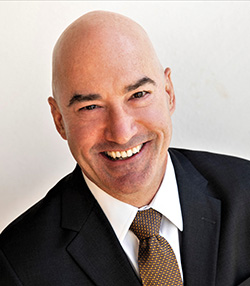
Attorney Quentin Brogdon
Quentin Brogdon has over thirty years of experience and expertise in the field of personal injury trial law. He is board certified in both personal injury trial law and civil trial advocacy. Quentin has received an AV rating from Martindale-Hubbell, the highest possible rating. This rating reflects an attorney’s ethics and abilities according to reviews from fellow attorneys. [ Attorney Bio ]
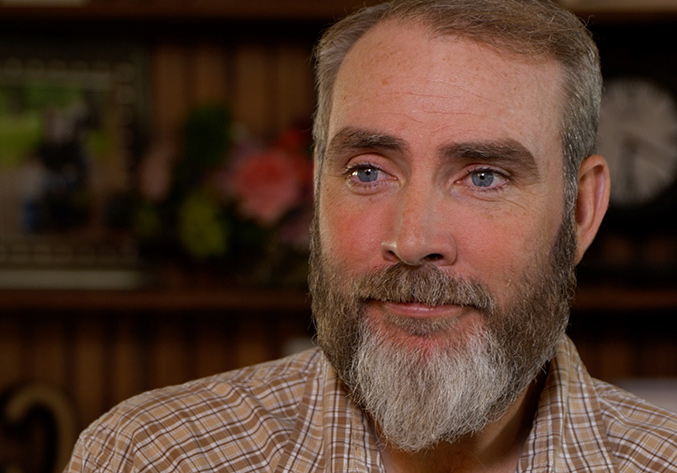

VIDEO: Client Testimonial
Devon Colbert describes working with Crain Brogdon, LLP to recover after a paralyzing injury.