FREE CONSULTATION: 214.522.9404

A brain injury can take away the skills a person spent a career building: focus, memory, judgment, and the ability to juggle a full day.
A Plano brain injury lawyer at Crain Brogdon, LLP helps families understand how the injury happened, who is accountable, and how to plan for the years of care that may follow.
Our firm is based in Dallas, home to our Dallas brain injury practice, and works with Plano families wherever they are, including at home or in rehabilitation.
To talk about your situation, call (214) 522-9404 for a free consultation. Our team answers 24 hours a day.
What Is a Traumatic Brain Injury Case Worth in Plano?

A Plano traumatic brain injury case is worth what the evidence shows the injury will cost over the person’s lifetime, driven mostly by the life care plan and lost earning capacity. Texas places no damages cap on an ordinary negligence brain injury claim, so the size of the claim tracks the size of the loss.
Two families with similar scans can have very different cases.
What matters is how the injury changes the person’s work, independence, and need for help, and how well each of those changes is documented. Building that record takes months of careful work with doctors, therapists, and the family.
Earning Capacity in a High-Income Community
Many Plano residents work in corporate, technical, and professional roles where the job depends on concentration and complex decision-making.
A brain injury that leaves someone able to walk and talk normally can still end that kind of career.
Lost earning capacity looks at what the person could have earned over a working life, not only the paychecks already missed. For a mid-career professional, that projection is often the largest single part of the claim.
Care Over Decades
A life care plan lists every future need, from neurology visits and cognitive therapy to supervision and home modifications. Each item is priced at current local rates and projected forward, then reduced to present value by an economist.
Losses Beyond Money
Texas law also allows damages for physical impairment, mental anguish, and pain, past and future. A spouse may have a separate claim for loss of consortium when the injury changes the marriage.
These losses are real, and a jury decides their value from the testimony of the people closest to the injured person.
How Brain Injuries Show Up at Work
Families often learn the extent of a brain injury when the person tries to go back to work.
The National Institute of Neurological Disorders and Stroke (NINDS) explains that these injuries can affect thinking, behavior, and emotion long after the physical wounds heal.
The table below shows common deficits, how they tend to appear on the job, and the evidence that can document them.
| Deficit | How it often shows up at work | Evidence that can document it |
|---|---|---|
| Slowed processing | Missed deadlines, trouble keeping up in meetings | Neuropsychological testing, performance reviews |
| Memory problems | Repeating questions, forgetting assignments | Testing, coworker statements, emails |
| Executive dysfunction | Difficulty planning, prioritizing, or starting tasks | Supervisor testimony, project records |
| Emotional changes | Irritability or conflict with colleagues | HR records, family and coworker accounts |
| Fatigue | Needing breaks or reduced hours | Attendance records, treating physician notes |
A vocational specialist can use this information to explain which jobs the person can still do and what those jobs pay. That comparison becomes the backbone of the lost earning capacity claim.
Common Causes of Brain Injuries in Plano

Plano sits where several of the region’s busiest roads meet, and its office parks and retail centers draw heavy daily traffic.
The causes we see most often are familiar:
- Rear-end and intersection crashes on US-75, the Dallas North Tollway, the President George Bush Turnpike, and SH 121.
- Collisions with delivery vans and commercial trucks serving Plano’s business districts.
- Falls caused by unsafe stairs, wet floors, or poor lighting at stores, offices, and apartment complexes.
- Pedestrian and bicycle crashes in busy commercial areas.
Each cause brings its own set of possible defendants and insurance policies, a pattern that is especially common in Plano truck accident claims.
The investigation has to follow the facts to every party whose choices contributed.
As partner Rob Crain has explained about the firm’s work, “It’s a personal relationship. I get to represent a human being. I’m not representing a corporation by the hour.”
When a Government Vehicle or Roadway Is Involved

Some Plano brain injury claims involve a public entity, such as a city vehicle, a DART bus or train, or a dangerous road condition.
These cases follow different rules than claims against a private driver or business.
Notice Deadlines Come First
Under the Texas Tort Claims Act, a governmental unit must generally receive written notice of the claim within six months of the incident.
A city charter can set an even shorter notice period, so the deadline should be checked against the specific entity involved.
Damages Are Limited
The act caps recovery against governmental units. A local government other than a city is limited to $100,000 per person, while a city or the state is limited to $250,000 per person.
When the injury is catastrophic, those caps make it important to look for any private party who also shares responsibility, such as a contractor working on the road.
Immunity Has Exceptions
Government entities are immune from many claims, but the act waives immunity for certain injuries involving motor vehicles, tangible property, and premises defects.
Whether a claim fits one of those waivers is often the first contested question in the case.
What Should Families Track in the First Months?

The months after a brain injury are exhausting, and no one expects a family to become investigators.
Still, a few simple habits create records that carry real weight later.
A Simple Daily Journal
Short notes, written the same day, are more believable than memories reconstructed a year later. Useful entries include:
- Moments of confusion, lost words, or forgotten conversations.
- Changes in mood, patience, or sleep.
- Tasks the person used to handle and now cannot finish.
- Missed work, school, or family events because of symptoms.
A few lines a day is enough. The goal is a timeline that shows the injury’s effect on ordinary life.
Bills, Mileage, and Lost Time
Keep every medical bill, pharmacy receipt, and explanation of benefits, along with a log of trips to appointments. Family members who take time off to provide care should note the dates and hours.
Those records support claims for past expenses and help a life care planner understand what care the person actually needs.
Physical Evidence
Damaged helmets, clothing, phones, and vehicle parts can show how hard an impact was.
Store them as they are, without cleaning or repairing them, and tell your Plano traumatic brain injury attorney they exist.
In Plano car accidents, a vehicle headed to a salvage yard is a reason to call sooner rather than later, because event data inside the vehicle can be lost when it is crushed or sold.
Where Is a Plano Brain Injury Case Filed?
Most of Plano lies in Collin County, but a portion of the city on its western side falls within Denton County. That detail can matter more than families expect.
Texas venue law generally allows a suit where the events occurred, where an individual defendant lived when the claim arose, or where a business defendant keeps its principal Texas office.
A crash in Collin County is usually filed at the courthouse in McKinney, where Collin County brain injury claims are heard, while a Denton County crash is filed in Denton.
Appeals from Collin County go to the Fifth Court of Appeals in Dallas, and appeals from Denton County go to the Second Court of Appeals in Fort Worth.
Choosing among proper venues affects the jury pool and the pace of the case. A Collin County traumatic brain injury attorney weighs those factors before a lawsuit is ever filed.
What Insurers Ask, and Why It Matters
Insurance adjusters often contact an injured person or family within days. Their questions sound routine, but each one is aimed at a specific defense:
- “How are you feeling today?” A casual “better” can be quoted later to suggest a full recovery.
- “Did you hit your head?” A “no” may be used to argue there was no brain injury, even though one can occur without a direct blow.
- “Have you had headaches or memory problems before?” The goal is to blame the symptoms on a prior condition.
- “Can you sign this medical authorization?” A broad release can open years of unrelated records.
Families have no obligation to give a recorded statement to the other side’s insurer.
Letting a Plano TBI lawyer handle those calls keeps the focus on recovery.
The Shared-Fault Rule Behind These Questions
Texas follows proportionate responsibility, which reduces an injured person’s recovery by their own percentage of fault and bars recovery above 50 percent.
Many adjuster questions are designed to shift a few percentage points of fault onto the injured person.
Why Plano Families Work With Crain Brogdon, LLP

Crain Brogdon, LLP is built around catastrophic injury representation, and that focus shapes how we work.
A brain injury claim needs time, money, and attention that a high-volume practice cannot always give.
What families can expect from us:
- A small caseload by design, so the lawyers on your case know your family and your file.
- Lawyers and paralegals you can reach, including by cell phone, with the firm available 24 hours a day.
- Case costs advanced by the firm, including medical, vocational, and economic witnesses, with no fee unless there is a recovery.
- Service in English and Spanish for every member of the family.
We also prepare every case as if it will be tried, and insurers price that readiness into their offers.
When a case resolves, we help families coordinate with financial and benefits planners so the recovery is set up to pay for care over the long term.
If your family is facing a brain injury and needs straight answers, call (214) 522-9404 to talk with our team.
FAQs: Plano Brain Injury Lawyer
Can a child’s brain injury claim in Texas wait until the child turns 18?
Partly. In Texas, the two-year filing period for the child’s own injury claim generally does not begin until the child turns 18.
The parents’ separate claim for the child’s medical expenses usually must be filed within two years of the injury, so waiting can forfeit part of the recovery.
What happens if the at-fault driver in a Plano crash has only minimum insurance?
The family may be able to turn to other coverage. Texas requires drivers to carry at least $30,000 in bodily injury coverage per person, which rarely covers a serious brain injury.
Underinsured motorist coverage on the family’s own policy, an employer’s policy, or other responsible parties may provide additional recovery.
Is a brain injury settlement taxable in Texas?
Generally not. Under federal tax law, compensatory damages received on account of a personal physical injury are excluded from income, and Texas has no state income tax.
Punitive damages and interest are treated differently, so a tax professional should review any settlement that includes them.
Can someone injured on the job in Plano sue the employer?
It depends on whether the employer carries workers’ compensation insurance. Texas employers can opt out, and an injured worker can sue a non-subscribing employer for negligence.
If the employer does carry coverage, a separate claim may still exist against a contractor, property owner, or equipment maker.
How soon after a brain injury should a Plano family contact a lawyer?
As soon as the immediate medical crisis has passed. Video footage, vehicle data, and witness memories can disappear within days or weeks.
An early call also lets a Plano head injury lawyer protect the family from statements and releases that could later limit the claim.

Get Answers About Your Family’s Next Steps
A brain injury affects everyone in the household, and the road ahead is easier with a clear picture of your options.
Our lawyers take the time to explain the process, answer every question, and build the case around your loved one’s long-term needs.
Through our Plano injury practice, Crain Brogdon, LLP works with Plano and Collin County families on brain injury claims.
Call (214) 522-9404 today for a free, confidential consultation.
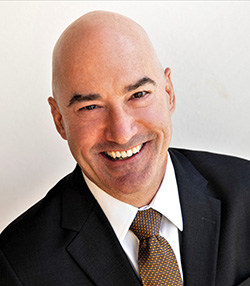
Attorney Quentin Brogdon
Quentin Brogdon has over thirty years of experience and expertise in the field of personal injury trial law. He is board certified in both personal injury trial law and civil trial advocacy. Quentin has received an AV rating from Martindale-Hubbell, the highest possible rating. This rating reflects an attorney’s ethics and abilities according to reviews from fellow attorneys. [ Attorney Bio ]
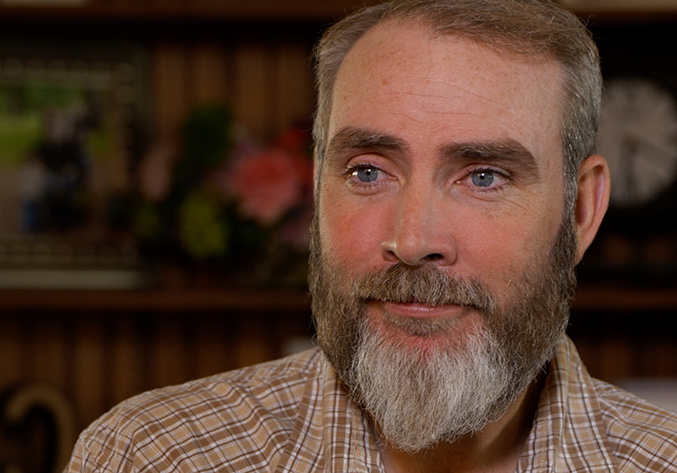

VIDEO: Client Testimonial
Devon Colbert describes working with Crain Brogdon, LLP to recover after a paralyzing injury.