FREE CONSULTATION: 214.522.9404

If someone close to you has died in a residential care facility and you believe the staff failed to look after them properly, you may need the assistance of a nursing home wrongful death lawyer.
Nursing homes should provide care, compassion, and security for our elderly family members. Too often, however, these facilities let their residents down, providing negligent care that results in serious harm, including fatalities.
Here, we delve into the details of Texas nursing home wrongful death cases and highlight the considerations you’ll need to take into account if you’re thinking about filing one.
Common Causes of Wrongful Nursing Home Deaths
Nursing home staff take responsibility for all the needs of care home residents, from medical treatment to lifestyle requirements. In the case of very elderly or debilitated individuals, caregivers must help with even the most basic daily tasks, such as dressing, bathing, and moving from room to room.
When staff neglect to execute these duties properly, the results can be disastrous. Deadly accidents can occur in a number of ways.
Medical Malpractice
Medical malpractice refers to the negligent administration of health care in any context. These types of cases are usually associated with hospitals, but they frequently arise in a nursing home setting as well.
If doctors or nurses working in a nursing home make mistakes related to a resident’s medication, or fail to diligently observe changes in their condition of health, the results can be deadly. Missteps like these frequently form the basis for successful wrongful death claims.
Neglect and Abuse
Deliberate neglect and abuse of nursing home residents is more common than you might think. Though it’s hard to imagine anyone (much less a care worker) harming a defenseless elderly person on purpose, the National Council on Aging reports that elder abuse by care home staff is a major issue in the United States and that the majority of cases of elder abuse go unreported.
From physical abuse to neglecting essential needs like nutrition, hydration, and hygiene, any form of maltreatment can have fatal consequences.
Accidents
Common nursing home accidents that can result in fatalities include:
- Slips and falls
- Choking on food
- Bedsores and related infections
- Issues with restraints that lead to strangulation or suffocation
- Vehicle accidents
- Fire
- Equipment failure.
While accidents are always a possibility, it is the responsibility of nursing homes and their staff to ensure that they don’t happen to vulnerable residents. If they fail to meet this expectation, they should be liable for any resulting harm.
Hear From Our Clients
“Quentin was amazing. Helpful, caring, knowledgeable. His partners deserve kudos as well.”
Amanda
What Constitutes Wrongful Death?
Wrongful death claims are a means grieving family members may use to seek justice for a deceased loved one and to recover costs associated with their passing and with medical issues prior to death. In order for a nursing home death to be considered wrongful, it must arise from a negligent act or omission on the part of the facility or its staff.
There are four necessary elements to any negligence claim.
Duty of Care
In any civil lawsuit centering around negligence, you must be able to show that the defendant owed a duty of care to the injured party. This is typically straightforward in nursing home cases; when an elderly individual enters a care home, they enjoy legal and contractual assurances that the facility will look after them and take measures to keep them safe. These protections would fail to apply only in extraordinary circumstances (say, if the deceased person had an accident after checking themselves out of the facility).
Breach of Duty
Nursing homes or their employees may violate duty-of-care principles in a number of ways. It’s important to note, however, that the decision about whether a given act amounts to a breach is subjective, to some degree. What one judge regards as negligence might not be sufficient for another to reach the same conclusion. To give yourself the best chance of establishing negligence based on the facts of your case, it’s crucial to work with a top-class attorney.
Causation
Nursing home negligence must lead directly to a resident’s death in order for a wrongful death claim to succeed. So, even if your loved one’s care home clearly failed to properly execute its duty of care, you will not succeed in a lawsuit unless you can show that this failure was the cause of death. This can be complex, as there are often multiple causal factors at play when nursing home residents die.
Damages
You must suffer actual harm due to the defendant’s negligence. There is a divergence here between wrongful death and other types of personal injury claim, as the accident victim (your deceased family member) and the plaintiff (you) are different people. You must be able to demonstrate that the loss of your loved one has caused you some observable and measurable loss, such as through medical bills, funeral expenses, grief, loss of consortium, or some other form of damage.
Who Can File a Wrongful Death Lawsuit?
The rules around wrongful death claims mean that not just anyone is entitled to receive this type of compensation. Generally, only immediate family members (spouses, children, and parents of deceased persons) are entitled to file a wrongful death claim. Executors or administrators of the deceased’s estate may also have the right to file a claim on behalf of the estate.

The Filing Process
If you’re considering filing a wrongful death lawsuit, you should know that the process is complex and potentially lengthy. However, if you enlist the help of an experienced and dedicated Dallas nursing home wrongful death attorney, you won’t need to be concerned about the challenges the process poses, as your lawyer will work through them on your behalf.

Below, we look at all the steps you’ll need to take to pursue justice for your deceased loved one.
- Consultation with an attorney: Discussing the case with a Texas nursing home wrongful death lawyer is the first step you’ll need to take, as it will allow you to develop an understanding of the potential benefits of filing a case and any roadblocks you may encounter.
- Gathering evidence: Once we file a lawsuit on your behalf, the discovery process can begin. This means we’ll be able to request important documents from the nursing home, using these as evidence to build as strong a case as possible on your behalf.
- Negotiating a settlement: There will be opportunities to agree to a settlement before going to court; this gets you paid more quickly, and saves you the stress and uncertainty of a jury trial.
- Going to court: Of course, if we have to go to court to get you the result you deserve, we will. Crain Brogdon will never back down from a fight with a negligent, uncooperative nursing home.
Available Compensation Types
The compensation you’ll be entitled to in the event of a successful wrongful death claim falls into three categories: economic, noneconomic, and punitive damages.
Economic Damages
Economic damages (also known as special damages) compensate you for any costs that have a defined dollar value, such as medical expenses, funeral costs, and loss of income or inheritance. Courts can easily decide on amounts to award in respect of damages like these by referring to receipts or invoices.
Noneconomic Damages
Noneconomic damages (also known as general damages) compensate you for harm that doesn’t have a specific monetary value. Such harm might include physical pain, mental distress, loss of reputation, and loss of enjoyment of Iife.
Calculating the value of noneconomic damages is a subjective process, which means the amount of these damages you’ll receive following a court trial will depend significantly on the opinion of the judge and jury.
Required Evidence
Strong, clear evidence is the foundation of every successful wrongful death lawsuit. In order to build a persuasive argument that will maximize your compensation, we need to dive deep into the background of your case and find proof to support every strand of your case.

Medical Records
Proof of negligence often requires detailed medical records showing improper care. This might include records of doctor visits, scans, prescriptions, psychiatric evaluations, or other types of medical treatment or analysis.
Witness Testimonies
Statements from staff, other residents, or visitors can provide valuable insights into the events that led to your family member’s death. This type of evidence is particularly useful where there is some dispute over the exact sequence of events that led to an accident or injury, such as in cases involving falls.
Expert Opinions
Expert witnesses frequently have a decisive role to play in nursing home negligence cases. Depending on the circumstances of your case, we may decide to involve:
- Medical experts
- Geriatric care specialists
- Pharmacologists
- Mental health professionals
- Forensic experts
- Technology and security experts.
“Nanny Cams”
Nanny cams are small surveillance cameras often hidden or discreetly placed within a home to monitor caregivers. These cameras are typically used by family members who want to ensure that their loved ones are receiving proper care and are not subject to abuse or neglect.

Nanny cams can also provide concrete evidence of wrongdoing in a lawsuit. This footage may capture instances of physical abuse, emotional mistreatment, or failure to provide essential care, all of which can be critical in building a legal case.
The use of nanny cams in nursing homes is legal in Texas, per Texas Health & Safety Code § 242.841, but there are rules you must follow. Only the nursing home resident is permitted to request this type of surveillance, with the exception of cases in which the person lacks the capacity to do so. You must also notify the nursing home of your intention to install a camera and seek the permission of other persons sharing the room where applicable. You must also make provisions for a notice clearly indicating that the room is being monitored.
“I was referred to [the firm] by a friend, I gave them a call and couldn’t be happier that I did. They saw my case all the way to the end and kept me updated every step of the way. They were quick to get back to me if I emailed or called them. I never felt like I was not their top priority even though I know they have other cases they are working on. I will refer them to anyone needing help.”
Steve
Frequently Asked Questions (FAQs)
What is the difference between a wrongful death claim and a survival claim?
A wrongful death claim compensates family members for their losses, like funeral costs or loss of companionship. A survival claim seeks damages for the pain and suffering your loved one endured before passing. Our attorneys handle both claims to maximize recovery for your family and the estate.
How does the statute of limitations apply to nursing home deaths?
In Texas, you generally have two years from the date of death to file a wrongful death lawsuit. Exceptions may apply, so acting quickly is essential. Our team ensures deadlines are met and your case is protected.
What if my loved one signed an arbitration agreement?
Arbitration clauses in nursing home contracts are not always enforceable. Factors such as how the agreement was signed, or the resident’s mental capacity, can render them challengeable. Let us review the contract and fight for your right to seek justice.
Will I have to go to court?
Not always. Many cases settle before trial, and our reputation as trial lawyers often motivates fair offers. If necessary, we are ready to take your case to court and fight for the justice your family deserves.
What signs of negligence should I look for?
Unexplained bruising, sudden weight loss, poor hygiene, soiled bedding, changes in mood or behavior, or negligence causing catastrophic injuries are all red flags. Share any signs you noticed with us. These details could be critical to your case.
Working With a Dallas Nursing Home Wrongful Death Lawyer Who Will Fight for Your Rights

Nursing home negligence is an appalling threat to our society. Our elderly relatives deserve to be looked after properly in their twilight years, not allowed to die prematurely because of the indifference of care institutions and their staff. If your parent or spouse has passed away in such circumstances, a wrongful death lawsuit may allow you to pursue justice on their behalf.
Contact Crain Brogdon, LLP today to start the process. You can reach us via the contact form on our website or over the phone at (214) 522-9404.
Our Dallas Office

Attorney Quentin Brogdon
Quentin Brogdon has over thirty years of experience and expertise in the field of personal injury trial law. He is board certified in both personal injury trial law and civil trial advocacy. Quentin has received an AV rating from Martindale-Hubbell, the highest possible rating. This rating reflects an attorney’s ethics and abilities according to reviews from fellow attorneys. [ Attorney Bio ]
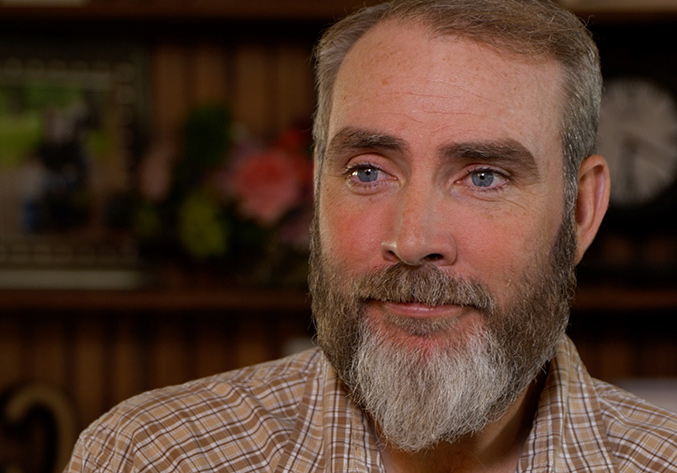

VIDEO: Client Testimonial
Devon Colbert describes working with Crain Brogdon, LLP to recover after a paralyzing injury.