FREE CONSULTATION: 214.522.9404

If someone else’s negligence or wrongdoing led to catastrophic and fatal injury cases in Dallas, partnering with a Dallas wrongful death lawyer at Crain Brogdon, LLP focuses on helping families find answers, forcing corporate accountability, and creating safer communities for everyone.
Contact our firm directly at (214) 522-9404 to schedule a free case evaluation so our team can evaluate the circumstances surrounding your loss.
Who Possesses Legal Standing to Bring a Fatal Injury Claim in Texas?

Texas Civil Practice and Remedies Code Section 71.004 explicitly grants the surviving spouse, children, and parents of a deceased individual the legal right to file a wrongful death action. Siblings, grandparents, and unmarried partners do not hold statutory standing under state law, regardless of their emotional closeness to the deceased person.
If eligible family members choose not to file a lawsuit within three calendar months of the death, including in nursing home wrongful death claims, the executor or personal representative of the estate must file the claim unless all surviving family members explicitly request otherwise.
How Do Survival Actions Differ from Wrongful Death Claims?
For more on the difference between wrongful death and survival claims, a survival action focuses on the losses personal to the victim before passing, whereas a wrongful death claim addresses the direct financial and emotional losses suffered by surviving family members.
Under Texas Civil Practice and Remedies Code Section 71.021, a cause of action for personal injury survives to the estate rather than extinguishing upon death. Money recovered in a survival action flows directly into the estate of the deceased person, where it distributes according to their last will and testament or Texas intestate succession laws.
Survival claims allow the estate to seek financial recovery for specific pre-death losses:
- Physical Pain and Mental Anguish: Compensation for the conscious suffering experienced by the victim prior to passing away.
- Funeral and Burial Expenses: Direct costs incurred by the estate to pay for funeral services, burial, or cremation.
- Accrued Hospital Costs: Unpaid emergency room invoices, surgical fees, and intensive care expenses generated before death.
Why Is Rapid Evidence Preservation Critical for Fatal Claims?

Securing evidence immediately after a fatal incident prevents critical proof from disappearing, being overwritten, or deteriorating over time. Prompt preservation safeguards essential details across all types of claims:
- Physical and Digital Proof: On-site physical evidence, property conditions, and local video surveillance logs often disappear within days.
- Witness Testimony: Eyewitness recall fades quickly without prompt, recorded statements.
- Maintenance and Safety Records: Inspection logs and internal safety documentation can be routine-cleared if not formally requested.
Issuing Spoliation Letters
Serving formal spoliation notices requires property owners, businesses, or involved parties to preserve all relevant physical and electronic records. This legal step prevents defense teams from claiming vital documents or equipment were lost through normal business operations.
How Are Long-Term Pecuniary and Non-Economic Losses Measured?
Calculating total financial recovery after a fatal incident requires expert economic analysis to project lost lifetime wages, household services, and non-economic losses. Courts examine historical earnings, promotional trajectories, health status, and life expectancy, factors that also drive valuation in severe head trauma claims to determine how much financial support the deceased person would have contributed to their household.

Economists apply regional market data to place an accurate monetary value on household contributions, such as childcare, home maintenance, and financial planning.
Surviving family members may seek distinct categories of non-economic recovery under Texas law:
- Loss of Companionship and Society: Compensation for the permanent loss of love, emotional support, guidance, and companionship provided by the deceased.
- Mental Anguish: Monetary recovery for the emotional grief, torment, and sorrow experienced by surviving relatives following the loss.
- Loss of Consortium: Damages awarded to a surviving spouse for the loss of marital intimacy, care, and emotional partnership.
Partnering with a wrongful death lawyer in Dallas, Texas ensures that economic experts build comprehensive financial models that account for wage inflation and lost employment benefits. Crain Brogdon, LLP rejects low settlement proposals that fail to account for the full financial realities your family faces.
Why Is Professional Representation Essential When Facing Corporate Insurers?
Professional representation balances the playing field against corporate insurers whose primary goal is protecting their own financial bottom line. Securing legal counsel changes how insurance adjusters handle your family’s claim:
- Preventing Inadequate Settlements: Corporate representatives frequently offer quick, low settlements before you fully understand long-term financial and medical losses.
- Managing Strategic Communication: Insurers use recorded statements and leading questions to shift blame onto victims and reduce corporate liability.
- Establishing True Financial Value: Legal teams work with medical, vocational, and economic specialists to calculate full lifetime expenses accurately.
Demonstrating Genuine Trial Preparedness
Insurance corporations evaluate financial exposure based on whether an attorney is prepared to go to court. When an insurer knows your legal team actively prepares every case for trial using respected expert witnesses, they negotiate in good faith rather than delaying proceedings.
Dedicated representation ensures corporate defendants treat your claim with the seriousness it deserves.
What Obstacles Emerge During Fatal Incident Litigation?

Corporate defense teams in North Texas courts frequently employ complex legal strategies to shift blame away from their clients and reduce overall financial liability. Understanding these defense approaches helps families remain prepared as litigation progresses.
- Asserting Contributory Fault: Opposing lawyers regularly argue that the deceased person contributed to the incident, attempting to bar recovery under Texas comparative responsibility laws.
- Disputing Pecuniary Calculations: Defense economists attempt to minimize projected future earnings by arguing that the deceased person had limited career advancement potential.
- Challenging Legal Standing: Defense teams carefully scrutinize probate records and family relationships to challenge whether specific relatives possess statutory standing to sue.
- Delaying Document Production: Corporate defendants often drag out document discovery, withholding internal safety audits and maintenance records until court orders compel production.
Countering these defense strategies requires thorough preparation and skilled trial advocacy. By auditing corporate safety protocols, reviewing driver qualification files in fatal 18-wheeler collisions, and checking regulatory compliance histories, Crain Brogdon, LLP exposes safety failures and keeps the focus where it belongs: on corporate accountability.
How Does Texas Proportionate Responsibility Impact a Wrongful Death Case?
Texas operates under a modified comparative fault framework, known as proportionate responsibility, which reduces financial recovery if the victim shared blame for the event. Under Texas Civil Practice and Remedies Code Chapter 33, a family can collect damages only if the deceased person’s share of responsibility is 50 percent or less.

If a jury finds that the deceased person bears 51 percent or more of the fault, Texas law completely blocks surviving family members from collecting compensation from other negligent parties.
Insurance companies frequently use proportionate responsibility rules to intimidate grieving families and justify low settlement offers. Adjusters search for minor details, such as driving slightly above the posted speed limit or failing to wear specific protective gear, to argue that the victim caused the collision or workplace event.
Retaining a Dallas wrongful death attorney guards against unfair fault-shifting tactics, ensuring the jury hears complete evidence regarding corporate safety failures.
What Practical Steps Should Families Take Following a Preventable Loss?
Taking structured steps after a fatal incident protects both your family’s emotional space and your legal rights. Adhering to specific guidelines prevents insurance entities from taking advantage of your situation:
- Secure Medical and Forensic Documents: Request official copies of police crash reports, autopsy findings, and emergency medical records.
- Avoid Giving Recorded Statements: Decline requests from insurance adjusters seeking recorded interviews or signed release forms before speaking with counsel.
- Keep Household Financial Records: Retain receipts for funeral costs, memorial services, household upkeep, and past pay stubs showing family income.
- Open an Estate Administration: Consult an attorney regarding probate court procedures to appoint a personal representative for the estate.
- Speak with Legal Advocates Early: Consult an attorney before accepting initial settlement offers or signing liability waivers.
Partnering with a knowledgeable wrongful death attorney in Dallas provides your family with a local partner who understands North Texas court procedures, local judges, and jury tendencies. Crain Brogdon, LLP draws on extensive courtroom experience to present clear, compelling evidence that shows juries exactly how safety violations destroyed your family’s financial stability.
How Do Exemplary Damages Apply in Cases of Gross Negligence?
Texas law allows surviving family members to seek exemplary damages, also called punitive damages, when a death results from a willful act, omission, or gross negligence.
Under Texas Civil Practice and Remedies Code Section 41.003, gross negligence involves an act or omission that involves an extreme degree of risk, considering the probability and magnitude of potential harm to others. The offending party must possess actual awareness of the risk involved but nevertheless proceed with conscious indifference to the safety or rights of others.
Exemplary damages serve to punish outrageous corporate behavior and deter other companies from repeating similar safety violations:
- Corporate Impairment Policies: Companies that knowingly allow intoxicated or severely fatigued drivers to operate heavy commercial vehicles.
- Outdated Equipment Directives: Businesses that deliberately bypass required safety inspections or disable automatic braking systems to cut operating costs.
- Covert Safety Violations: Construction firms or plant managers who ignore repeated safety citations and force employees into dangerous environments.
Proving gross negligence requires clear and convincing evidence, which is a higher evidentiary burden than a standard negligence claim. Our firm conducts deep corporate discovery, analyzing internal communications, safety audit histories, and corporate emails to expose conscious indifference and hold reckless companies answerable.
What Role Does Probate Court Play in Resolving a Fatal Claim?
Resolving a fatal injury claim requires coordinating civil court proceedings with the Dallas County Probate Court system to manage estate assets and distribution. Before a survival action can move forward, a probate judge must formally appoint an executor or personal representative to administer the estate.

This representative holds the legal authority to sign litigation documents, approve settlement agreements, and distribute recovered estate assets to designated beneficiaries.
Probate proceedings ensure that money recovered through a survival action distributes correctly according to the law or a valid will. Wrongful death damages recovered directly by surviving family members bypass the probate estate, meaning those funds belong directly to the surviving spouse, children, or parents and are not subject to claims by estate creditors.
Working with experienced trial lawyers simplifies these overlapping procedures so your family can focus on healing.
Frequently Asked Questions About Wrongful Death Claims in Dallas
How long do I have to file a wrongful death lawsuit in Texas?
Texas law allows two years from the exact date of your loved one’s passing to file a wrongful death lawsuit against responsible parties. Missing this strict legal deadline permanently revokes your right to seek financial recovery in court.
Certain exceptions exist for minor children or cases involving municipal entities, which often require formal administrative notice within six months.
Can surviving family members divide a settlement among themselves?
Family members can reach a mutual agreement on how to divide wrongful death settlement funds among the surviving spouse, children, and parents. If family members disagree on a fair division, a court will evaluate each relative’s personal relationship, financial dependence, and emotional loss to allocate the recovery accordingly.
Money recovered through a survival action belongs to the estate and distributes strictly according to the deceased person’s will or state inheritance laws.
How do we pay for legal services while managing sudden financial losses?
We handle all legal representation on a contingency fee agreement, meaning you pay zero upfront costs or out-of-pocket legal fees. Our legal team advances all expenses required to investigate the incident, hire economic experts, and prepare your case thoroughly for trial.
We only receive payment if we successfully resolve your claim through a negotiated settlement or courtroom verdict.
What sets Crain Brogdon, LLP apart from other personal injury law firms?
Crain Brogdon, LLP focuses on finding answers for families, demanding corporate accountability, and fostering safer communities. Rather than running a high-volume practice focused on quick settlements, we purposefully cap our caseload.
We limit the volume of cases handled so every client receives thorough, individualized focus. We walk alongside you as a true partner in the search for truth, standing by your side from our first meeting to final resolution.
Contact Crain Brogdon, LLP Today for Answers and Accountability
Sometimes, taking immediate legal action is the single most effective step you can take to protect your family’s future and secure answers about your loss. Crain Brogdon, LLP stands ready to investigate the circumstances surrounding your loved one’s passing, uncover corporate safety violations, and force full accountability from responsible parties.
If you lost a family member in Dallas, TX due to another party’s negligent actions, call Crain Brogdon, LLP right now at (214) 522-9404 to schedule your free, confidential case evaluation.
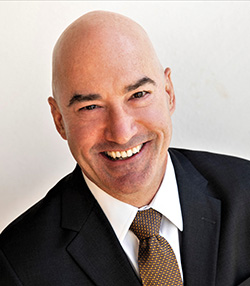
Attorney Quentin Brogdon
Quentin Brogdon has over thirty years of experience and expertise in the field of personal injury trial law. He is board certified in both personal injury trial law and civil trial advocacy. Quentin has received an AV rating from Martindale-Hubbell, the highest possible rating. This rating reflects an attorney’s ethics and abilities according to reviews from fellow attorneys. [ Attorney Bio ]
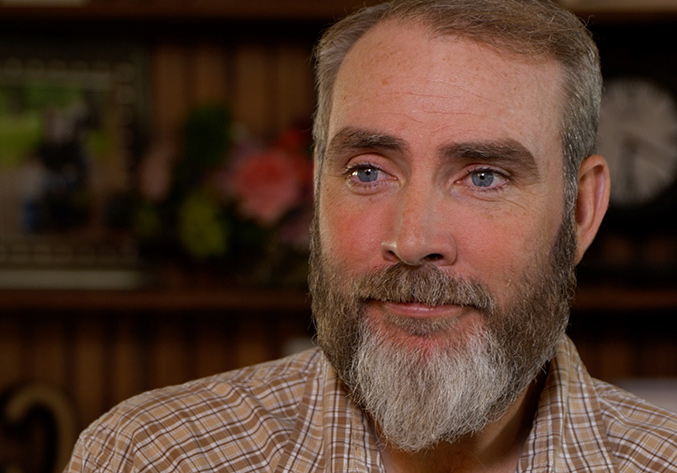

VIDEO: Client Testimonial
Devon Colbert describes working with Crain Brogdon, LLP to recover after a paralyzing injury.