FREE CONSULTATION: 214.522.9404
When a Dallas Area Rapid Transit (DART) train or a freight line collides with a vehicle or a pedestrian at a crossing, the question of who answers for it rarely has a simple answer.
DART operates the rail line and its crossing equipment, a separate freight company may own the tracks, a city or county may maintain the road approach, and a private contractor may service the signal system, and any one of them can share the blame.
If you’re looking for a Dallas train accident lawyer because someone you love got hurt or didn’t survive a collision like this, that tangle of responsibility is exactly where a case starts, and we start there with you.
Crain Brogdon, LLP works with Dallas families after DART light rail collisions, freight crossing wrecks, and commuter rail accidents on the Trinity Railway Express line. Call (214) 522-9404 for a free case evaluation, and we’ll tell you plainly what we see in your situation.
What Kinds of Dallas Train Accident Cases Do We Handle?
We handle train accident claims across the rail systems that run through Dallas, and each one raises its own legal questions. A DART train accident attorney on our team looks at collisions involving the light rail system, the streetcar line, and DART buses that share crossings with rail traffic.
Freight rail cases, such as those involving Union Pacific and BNSF lines that cross Dallas streets and neighborhoods, come with a different set of federal rules than a DART case does.

The situations we see most often include:
- A vehicle struck at a crossing where the gates failed to lower or the warning lights didn’t activate.
- A pedestrian or cyclist hit at a crossing with limited sight lines or inadequate signage.
- A collision involving a distracted or fatigued train operator.
- An accident tied to poor track maintenance or a signal system that malfunctioned.
- A death or serious injury involving a family member who worked for the railroad itself.
Each of these scenarios points toward a different defendant, and sometimes more than one.
Who’s Actually Responsible When a Dallas Train Accident Happens?
Responsibility for a Dallas train accident often falls on more than one party, and figuring out who owns which piece of the failure is where a case gets built or falls apart.
Transit Agencies and Railroad Companies
DART itself can bear responsibility for a light rail collision if its crossing equipment failed or its operator acted carelessly. A freight railroad, the company that owns the locomotive and the track, carries separate responsibility on lines that don’t belong to DART.
Cities and Counties

Cities and counties sometimes share liability too, particularly when a crossing sits on a road they’re responsible for maintaining, or when sight lines at an intersection got blocked by overgrown vegetation or a poorly placed sign.
A Dallas railroad crossing accident lawyer digs into who owns the crossing equipment, who last inspected it, and who signed off on any recent construction near the tracks, because those answers point toward the party that actually failed.
Private Contractors
Private contractors add another layer. Signal maintenance companies, construction crews working near the tracks, and even security firms hired to monitor crossings can end up named in a claim if their work, or their failure to do the work correctly, contributed to what happened.
Liability at Quiet Zone Crossings
Quiet zone crossings add one more wrinkle specific to parts of Dallas. Cities can petition to silence a train’s horn at certain crossings if they install extra safety measures instead, such as raised medians or additional gate arms.
A city that established a quiet zone but let the required safety equipment fall out of service has arguably traded a warning system for a false sense of security, and that failure can factor directly into a claim.
What Makes Railroad Crossing Accidents Different from Other Injury Claims?
Railroad crossing cases run into federal rules that don’t apply to an ordinary car accident claim, and those rules can work for or against a family depending on how a case gets handled.
Federal Railroad Safety Standards
The Federal Railroad Safety Act sets minimum standards for crossing signals, track maintenance, and train speed, and railroads sometimes argue that meeting a federal standard shields them from a state law claim entirely.
That argument doesn’t always hold up, but it takes someone familiar with how these cases actually play out to push back on it effectively.
Jurisdiction in Texas Railroad Accident Claims
A Texas railroad crossing accident attorney working these claims also has to sort through jurisdiction questions early, since a freight collision might involve a railroad headquartered outside Texas, while a DART accident stays entirely within local and state court.
Claims Involving Injured Railroad Employees
Employees hurt on the job while working for a railroad fall under a completely different law called the Federal Employers Liability Act, which works nothing like a standard workers compensation claim and requires proving the railroad was at fault.
Federal Hours of Service Rules
Federal hours of service rules also limit how long a train crew can work before resting, since fatigue behind the controls of a multi-ton train creates the same danger it does behind the wheel of a car, only magnified.
When a crew’s duty logs show a shift that ran longer than federal rules allow, or a pattern of irregular scheduling in the days before a wreck, that record becomes part of the case.
Getting access to those logs usually requires a formal request backed by the threat of a lawsuit, not a polite ask.
What Evidence Matters Most in a Train Accident Claim?
Train accident claims often turn on evidence that only exists for a short window of time, which is why speed matters early on. Event recorder data, similar to what people call a black box in aviation, captures a train’s speed, braking, and horn activity in the moments before a collision, and railroads aren’t required to preserve that data forever.

Crossing signal maintenance logs show whether equipment got inspected on schedule or whether a known problem went unaddressed.
Surveillance footage from nearby businesses, dashcam video, and witness accounts from other drivers waiting at the crossing round out the picture. We send preservation letters to the railroad and any other responsible party as soon as we take a case, specifically because that evidence can disappear or get recorded over if nobody asks for it in time.
Photographs of the crossing itself matter more than people expect, too. The angle of approach, the condition of the gate arms, whether vegetation blocked a sign, and the distance from the nearest intersection all speak to whether the crossing met basic safety standards on the day of the collision.
A crossing photographed weeks after an accident, once a railroad has already repaired or replaced equipment, tells a much weaker story than one documented right away.
Why Do You Need a Dallas Train Accident Lawyer on Your Side?
You need a lawyer because railroads and their insurers have handled thousands of these claims before, and they show up with investigators on scene within hours of a collision, sometimes before a family even learns what happened.
A freight railroad’s claims department exists specifically to limit what the company pays out, and that team starts working the moment a wreck gets reported. Facing that kind of resource gap alone puts a family at a real disadvantage before a single conversation happens.
A Dallas light rail injury lawyer on our side means someone requests the event recorder data, the maintenance logs, and the operator’s training records before a railroad has any reason to volunteer them.
We’ve seen cases where a signal had a documented malfunction weeks before an accident, information a family would never uncover without a formal records request and the legal authority to demand it. That kind of detail changes a case, and it rarely surfaces on its own.
What Happens After You Call Crain Brogdon, LLP?
Once you call, we start gathering the details that matter most while they’re still fresh, including where the accident happened, which rail line was involved, and who else witnessed it.

We send preservation letters to DART, the freight railroad, or both, depending on what happened, and we request crossing inspection records from the city or county if a road maintenance issue looks like it played a role.
From there, we identify every party that may share responsibility, since a claim built around only one defendant can leave real compensation on the table if a second party also failed.
We keep you updated as records come in, and we explain what each new piece of evidence means for your case rather than leaving you to guess at what it adds up to.
What Compensation Can Look Like in a Dallas Commuter Rail Accident Case?
Compensation in a Dallas commuter rail accident case typically covers medical treatment, lost income if an injury kept you out of work, and pain that comes with a serious injury. In cases involving a death, families can recover funeral costs and the loss of companionship and financial support the person provided.
The exact figure depends on how clearly the evidence ties a specific failure, whether it’s a malfunctioning signal, a careless operator, or a poorly maintained crossing, to what happened.
Multiple Defendants and Sources of Recovery
Multiple defendants can also mean multiple sources of recovery, which matters when a family is dealing with expenses that already stretch a household’s finances thin.
A case against a freight railroad alone looks different from one that also involves a city’s failure to maintain a crossing, and sorting out which parties bear which share of the loss takes someone who has done that work before.
Railroad Insurance Coverage
Railroads also carry substantial insurance coverage compared to an average driver, which matters when a case involves catastrophic injuries or a death. That coverage doesn’t mean a railroad pays out easily, though. Large rail carriers typically retain outside counsel within days of a serious accident, and they negotiate from a position built on decades of similar claims.
Knowing what comparable Dallas cases have resolved for, and why, shapes how we value your case rather than accepting a number the railroad’s adjuster proposes first.
How Long Do You Have to File a Dallas Train Accident Claim?
Texas law generally gives you two years from the date of a train accident to file a personal injury or wrongful death lawsuit, but that clock runs differently depending on which rail line was involved.
A claim against a freight railroad, a private company, typically follows that standard two year deadline. A claim against DART works on a shorter and more rigid timeline, because DART operates as a governmental entity and falls under separate notice rules that private companies don’t answer to.
Notice Requirements for Claims Against DART
Texas law requires anyone bringing a claim against a governmental entity like DART to send formal written notice of the injury within six months. Missing that notice window can end a claim against DART before it ever reaches a lawsuit, regardless of how strong the underlying facts are.
That’s a hard deadline to recover from once it passes, so a family dealing with a DART collision should reach out as soon as the immediate medical needs settle down, not months later once things quiet down.
Deadlines for Injured Railroad Employees
Railroad employees hurt on the job follow yet another timeline, since claims under the Federal Employers Liability Act generally allow three years from the date of injury rather than two.
Determining Which Deadline Applies
Sorting out which deadline applies to your situation depends on which rail system was involved and who’s named in the claim, and getting that wrong can cost a family the chance to recover anything at all.
Frequently Asked Questions About Train Accident Claims in Dallas
Do you handle cases involving DART trains as well as freight trains?
Yes, we handle both. DART light rail and streetcar cases involve different rules and defendants than freight rail collisions do, and we sort out which laws apply to your specific situation during your free case evaluation.
What if the railroad says the crossing gates were working properly?
A railroad’s own account of what happened isn’t the final word, since maintenance logs, signal data, and witness statements often tell a different story than what a company reports after a collision. We request that evidence independently rather than relying on what the railroad chooses to share.
Can I still bring a claim if my family member was walking near the tracks instead of driving?
Yes, pedestrians and cyclists hurt at a crossing can bring a claim, particularly where sight lines were blocked, warning signals failed, or the crossing lacked adequate safety measures. We look at the specific conditions of the crossing to determine what role the railroad or a local government played.
What does a free case evaluation with your firm involve?
A free case evaluation means we review what happened with you at no cost and no obligation to move forward. We’ll ask about the rail line involved, the circumstances of the collision, and any records you already have, then tell you honestly whether we think you have a case worth pursuing.
Call Crain Brogdon, LLP For a Free Case Evaluation

Dallas train accidents rarely come with a single obvious explanation, and that’s exactly why families need someone who knows where to look for one.
Crain Brogdon, LLP reviews DART, freight, and commuter rail cases for Dallas families dealing with a serious injury or the death of someone they love, and we can tell you within one conversation whether your situation looks like a claim worth pursuing.
Call (214) 522-9404 for a free case evaluation, and let’s talk through what happened.
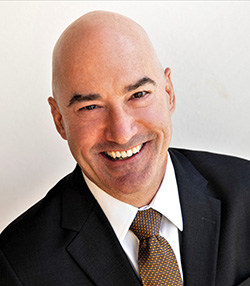
Attorney Quentin Brogdon
Quentin Brogdon has over thirty years of experience and expertise in the field of personal injury trial law. He is board certified in both personal injury trial law and civil trial advocacy. Quentin has received an AV rating from Martindale-Hubbell, the highest possible rating. This rating reflects an attorney’s ethics and abilities according to reviews from fellow attorneys. [ Attorney Bio ]
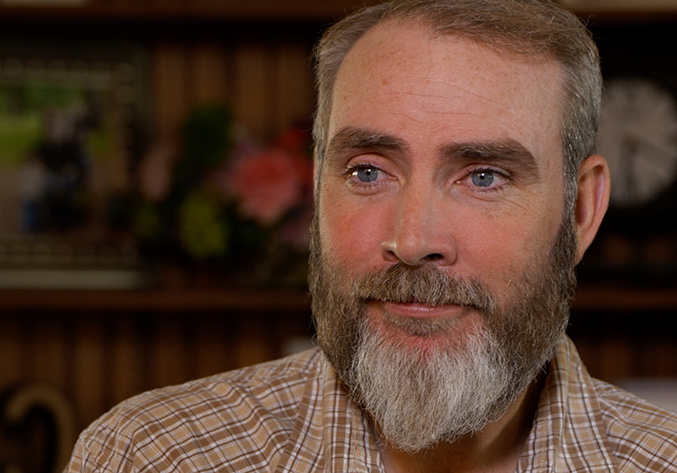

VIDEO: Client Testimonial
Devon Colbert describes working with Crain Brogdon, LLP to recover after a paralyzing injury.