FREE CONSULTATION: 214.522.9404

If you’re searching for a Dallas nursing home abuse lawyer because a facility hurt someone you love, you’ve come to the right place.
Crain Brogdon, LLP works with Dallas families dealing with bedsores that turned into infections, unexplained bruising, sudden weight loss, medication mix-ups, and falls a facility should have prevented.
Call (214) 522-9404 for a free case evaluation, and we’ll tell you honestly whether we can help.
What Counts as Nursing Home Abuse or Neglect in Dallas?

Nursing home abuse and neglect can cover a wider range of situations than most families expect, and Texas law may treat claims differently depending on what happened. Abuse can involve intentional physical harm, verbal cruelty, financial exploitation, or sexual misconduct. Neglect can involve a failure to provide care a resident needs, even when no one intended to cause harm.
A Dallas nursing home neglect attorney looks at both categories because the line between them can matter when building a claim. A staff member who strikes a resident presents a different legal problem than a facility that is understaffed on weekends and lets call lights go unanswered for hours. Both situations can seriously harm a resident and potentially support a claim, but the evidence needed may look different.
Texas nursing facilities also have reporting duties when abuse, neglect, exploitation, mistreatment, certain unexplained injuries, and other serious incidents are alleged or suspected.
Depending on the circumstances, a facility may be required to notify its administrator and the Texas Health and Human Services Commission’s Complaint and Incident Intake within hours, investigate the allegation, and submit investigation findings to HHSC. Those reporting and investigation records may be important evidence in a later claim.
Warning Signs Your Loved One May Be Suffering in a Dallas Facility
Families often sense something is wrong before they can name it. A few signs worth taking seriously include:

- Unexplained bruises, cuts, or fractures that staff cannot clearly account for
- Sudden weight loss, dehydration, or a noticeable decline in hygiene between visits
- Bedsores or pressure injuries, which can be warning signs of inadequate repositioning, skin care, nutrition, monitoring, or care-plan compliance
- A resident who suddenly seems fearful, withdrawn, or reluctant to talk in front of certain staff members
- Unpaid bills or missing funds when a facility handles a resident’s finances
Pressure injuries can arise from complex medical conditions in some residents, even when care is appropriate. But a new or worsening bedsore should prompt questions about the resident’s care plan, repositioning schedule, skin assessments, nutrition, staffing, and medical monitoring.
None of these signs prove abuse or neglect by themselves. Together, though, they may be worth a phone call, and they are worth documenting with dates while the details are still fresh.
What Kind of Evidence Strengthens a Nursing Home Neglect Claim?
Strong nursing home neglect claims often rest on records the facility already keeps, not only on a family’s account of what happened. Care plans, medication-administration records, staffing schedules, treatment notes, and incident reports can help show what care was supposed to occur and what actually happened.
Photographs of injuries, dated and taken from more than one angle, can be more useful than a description written weeks later from memory.
Witness accounts can matter too, and they may come from more places than most families expect. Other residents, visiting family members, and former employees sometimes notice patterns a facility would rather keep quiet.
A facility’s regulatory and inspection history can add important context. Prior citations involving staffing, infection control, medication practices, falls, or resident supervision do not automatically prove negligence or causation in a particular resident’s case.
They can, however, raise questions about the facility’s practices and lead to records that deserve closer review. We seek relevant records early, before evidence becomes more difficult to locate.
How Does Texas Law Handle Nursing Home Neglect Claims?

Many Texas nursing-home negligence cases are treated as health care liability claims. Those claims can involve procedural rules that do not apply to an ordinary injury case.
Health Care Liability Claim Requirements
Depending on the facts, the facility, and the defendants involved, Texas law may require written pre-suit notice, compliance with limitations deadlines, and an expert report served early in the lawsuit. Whether Chapter 74 applies can depend on the nature of the allegations and whether the defendant qualifies as a health care provider under Texas law.
Pre-Suit Notice Requirements
For qualifying Texas health care liability claims, Texas Civil Practice and Remedies Code § 74.051 generally requires written notice at least 60 days before suit is filed. The statute also provides for a 75-day tolling period after notice is given.
Expert Report Requirements
Texas Civil Practice and Remedies Code § 74.351 generally requires a claimant to serve a qualifying expert report and curriculum vitae no later than the 120th day after each defendant files an original answer, subject to limited statutory exceptions, agreements, and court-authorized extensions in certain circumstances.
Nursing Facility Licensing and Regulatory Standards

Texas long-term care facilities are subject to licensing and regulatory standards. The rules may differ depending on whether the facility is a nursing home, assisted living facility, memory care unit, or another type of provider. A facility with a history of citations may present different factual questions than a facility with no known prior deficiencies.
HHSC Surveys, Inspections, and Deficiencies
The Texas Health and Human Services Commission regulates and surveys licensed nursing facilities, investigates complaints, and may cite deficiencies or violations when it finds noncompliance. Families can review much of a Medicare- or Medicaid-certified nursing home’s inspection, staffing, and quality information through Medicare Care Compare and Texas HHSC’s Nursing Home Compare information.
Survey findings, statements of deficiencies, plans of correction, and complaint-related records can help identify issues that warrant further investigation. Public access and the available information can vary based on the facility, its certification status, the type of investigation, and the particular records involved.
Texas Long-Term Care Ombudsman Program
The Texas Long-Term Care Ombudsman Program is also an independent resident-advocacy resource for people living in nursing facilities and assisted living facilities. An ombudsman may help a resident or family raise and work through quality-of-care concerns. The program does not replace calling 911 in an emergency, filing a complaint with HHSC, or obtaining legal advice about a potential claim.
Why You Need a Dallas Nursing Home Abuse Lawyer On Your Side
You may need a lawyer because nursing home corporations and their insurers often respond to these claims with practiced defense strategies. Families going in without legal help may be negotiating against people who handle claims like these every day.

Facilities may have layers of ownership, separate management companies, and staffing agencies. Figuring out who may be legally responsible can require substantial investigation.
A nursing home abuse attorney Dallas TX families trust can seek staffing records, incident reports, care plans, medical records, and regulatory documents to determine what should have happened and what did not.
Insurance adjusters may move quickly to obtain a recorded statement or offer an early settlement before a family understands the full scope of the injury. An early offer can appear reasonable when you are concerned about ongoing care costs, but it may not account for the full harm, future medical needs, or evidence that emerges later.
Having counsel from the start can change how the other side approaches the claim.
What Happens After You Call Crain Brogdon, LLP?
Once you call, we start by listening because every family’s situation is different and the details you share shape what happens next. We will ask about the facility, the timeline, conversations with staff or administrators, and any records or photographs you already have.
From there, we may seek the resident’s medical and care records, staffing records, incident reports, and available regulatory or inspection history tied to the facility. The records we pursue depend on the facts and the type of provider involved.
If the facts support a claim, we evaluate the applicable notice requirements, limitations deadlines, expert-review issues, and filing obligations. Those procedural rules can differ depending on the type of facility, the defendants, and the nature of the alleged misconduct.
You will not need to track court forms or field calls from an insurance adjuster on your own. We keep you updated in plain language and tell you where things stand at each step.
How Long Does a Nursing Home Neglect Case Take To Resolve?
Nursing home neglect cases often take longer to resolve than a straightforward injury claim. The timeline can be affected by medical-record review, expert review, notice requirements, disputes about who is responsible, and the facility’s response to the allegations.
A case built on solid records and a clear expert opinion may sometimes reach a resolution within a year. A case involving serious injury, death, disputed medical issues, multiple defendants, arbitration issues, or aggressive defense tactics can take considerably longer.
The timeline also depends on how a facility and its insurers respond once they learn a claim may be coming. Some negotiate when the evidence is clearly laid out. Others wait until later in litigation before taking a claim seriously. We prepare every case as though it may need to go before a jury, even when we expect it could resolve sooner.
We will walk you through what to expect after reviewing the facts rather than offering a generic timeline that may not fit your situation.
What Compensation Can Look Like in a Neglect Case?
Compensation in a nursing home neglect case may include medical treatment related to the injury, along with costs tied to moving a resident to safer care if that becomes necessary. It may also include pain, mental anguish, loss of dignity, and, in a case involving death, damages available to eligible surviving family members and the estate.
The damages available in a particular case depend on the nature and severity of the harm, the applicable law, the facility’s conduct, available evidence, and how clearly the injury can be connected to a failure in care.
Families sometimes assume a case only makes sense if the harm was catastrophic. That is not necessarily how Texas law draws the line. The key questions are whether a facility or provider failed to meet an applicable duty of care and whether that failure caused legally compensable harm.
A Dallas assisted living neglect lawyer reviewing your situation can explain whether the known facts may support a claim without asking you to guess at legal standards on your own.
A number is not something we can hand you on a first call, and we will not pretend otherwise. What we can do is explain the potential categories of loss, discuss the evidence that could affect value, and give you a realistic sense of where things stand after reviewing the records.
Frequently Asked Questions About Nursing Home Abuse Claims in Dallas
Do you handle cases at both nursing homes and assisted living facilities?
Yes, we handle claims involving nursing homes, assisted living facilities, and memory care units across the Dallas area. The type of facility can affect which state licensing rules, reporting obligations, and standards apply, but the central question remains: did the facility provide the care it was required to provide?
What does a free case evaluation actually involve?
A free case evaluation means we review what happened with you at no cost and no obligation to move forward. We will ask questions about the facility, the injury, and any records you have, then tell you honestly whether we think you may have a case worth pursuing.
Can I still bring a claim if my family member signed an arbitration agreement?
Sometimes, yes. Arbitration agreements can affect available options, but their enforceability depends on the specific document, how it was presented and signed, the parties involved, and the facts of the case. We review the agreement before assuming it prevents a claim from proceeding in court.
What if the nursing home says the injury was accidental?
A facility calling an injury accidental does not end the conversation. Neglect claims can turn on whether the facility took reasonable steps to prevent a foreseeable injury. We may review staffing levels, care plans, medical records, incident history, and other evidence to determine whether the harm was unavoidable or connected to a gap in care.
Will pursuing a claim affect my family member’s care at the facility?
Nursing home residents have rights to raise complaints and voice concerns about their care. If you notice a change in treatment after raising concerns, document what happened and tell us promptly. Depending on the facility type and the facts, regulatory protections may apply, and a report to the appropriate agency or ombudsman program may also be appropriate.

Call Crain Brogdon, LLP for a Free Case Evaluation
If someone you love is dealing with an injury or a facility failed them in a way that led to their death, you do not have to sort out arbitration clauses, care standards, reporting obligations, and insurance tactics by yourself.
Crain Brogdon, LLP reviews Dallas nursing home cases every day, and we can tell you within one conversation whether your situation looks like a claim worth pursuing.
Call (214) 522-9404 for a free case evaluation, and let’s talk through what happened.

Attorney Quentin Brogdon
Quentin Brogdon has over thirty years of experience and expertise in the field of personal injury trial law. He is board certified in both personal injury trial law and civil trial advocacy. Quentin has received an AV rating from Martindale-Hubbell, the highest possible rating. This rating reflects an attorney’s ethics and abilities according to reviews from fellow attorneys. [ Attorney Bio ]
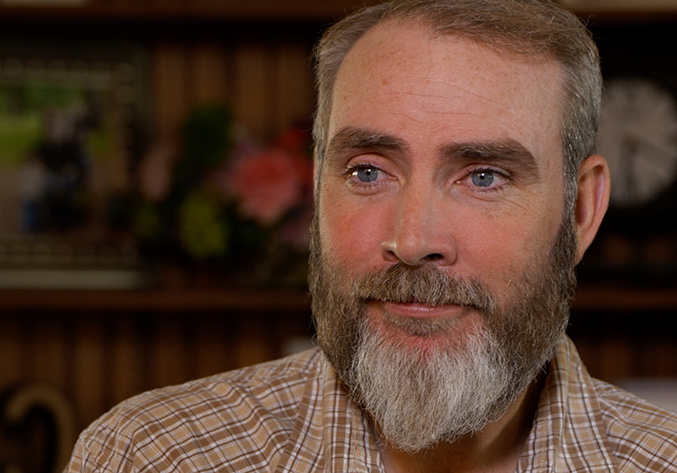

VIDEO: Client Testimonial
Devon Colbert describes working with Crain Brogdon, LLP to recover after a paralyzing injury.